What's included
- Emergency pump-out, any hour
- Safe handling of contaminated water
- Sump pump failure cleanup
- Sewer backup disinfection
- Drying of finished basements
- Carpet, underpad & flooring removal
- Foundation crack referrals
- Full basement rebuild
Stay out until electrical and water hazards are understood
Do not enter standing water near outlets, appliances or electrical equipment. If you suspect sewer backup, avoid using sinks and toilets until the cause is resolved. Toronto advises keeping children and pets out of the affected area and having a licensed electrical contractor assess potential electrical hazards. If you smell gas, leave and call the gas utility.
Find the source before defining the cleanup
A backed-up floor drain, failed sump, leaking supply line and water entering through a wall may leave similar marks but call for different repairs. We record the apparent source, water level, rooms and contents affected, and any visible signs of contamination. If plumbing or drainage work is needed to stop the flow, that comes before a final drying plan. If the water came up through a floor drain or toilet, the work follows our sewage backup cleanup in Toronto process instead.
Decide what can dry and what must come out
Drywall, insulation, underpad, flooring and stored belongings need to be assessed by material, exposure and how long they stayed wet. Toronto advises discarding drywall and insulation contaminated by sewage or flood water. Health Canada also advises removing contaminated items that cannot be cleaned and dried. We document removals and check moisture in accessible assemblies before closing them again.
Separate cleanup from flood-prevention work
Drying a basement does not fix the reason it flooded. Depending on the cause, the owner may need a licensed plumber, drain contractor, waterproofing specialist or electrician. Toronto has a Basement Flooding Protection Subsidy Program for certain eligible work, including backwater valves and sump systems; permits, inspections, contractor licensing and application conditions apply. No device eliminates every flood risk.
Repair after the wet work is documented
Once the source is addressed and affected assemblies are dry enough for repair, we scope finishes and any reconstruction separately from the emergency cleanup. The record should show what was removed, what remained, where moisture was checked and which related-trade work is still outstanding. That gives the owner and insurer a clearer basis for the next decision.
From our work
How these jobs usually go
Each summary combines details from many similar jobs we have done. They describe our real work, not one specific property, and leave out homeowner details for privacy.
Sewer backup in finished North York basements after a major Toronto flood
During a major Toronto flood, sewers backed up into finished basements across North York. Sewer water is contaminated, so anything porous it soaks is treated as unsalvageable.
- Extracted the standing water and removed the soaked flooring and drywall
- Cleaned and disinfected the exposed framing and concrete
- Checked framing and slab with moisture meters until they read dry
- Installed new drywall and flooring
Basements rebuilt with new walls and floors, documented for the insurance claim.
Sewage backup cleanupHeavily contaminated basement rebuilt as a new finished space
Where sewage sat longer or reached the furnace room, the damage went past the floor: walls, mechanical equipment and finishes were all affected.
- Removed contaminated flooring, walls and finishes
- Repaired or replaced affected HVAC components and ductwork
- Disinfected and dried the structure, confirmed with moisture readings
- Rebuilt the basement as a brand-new finished space
One crew handled the job from extraction through HVAC, walls, flooring and final finish.
Basement kitchen replaced after contaminated water
Cabinets, counters and lower finishes soak up contaminated water, and in some homes the flood reached a basement kitchen.
- Assessed how far the contamination reached before deciding what to keep
- Removed the affected cabinets, flooring and lower walls
- Dried and verified the structure with moisture meters
- Installed a new kitchen along with the walls and flooring
How much we replace depends on how contaminated the space is, not on a fixed package.
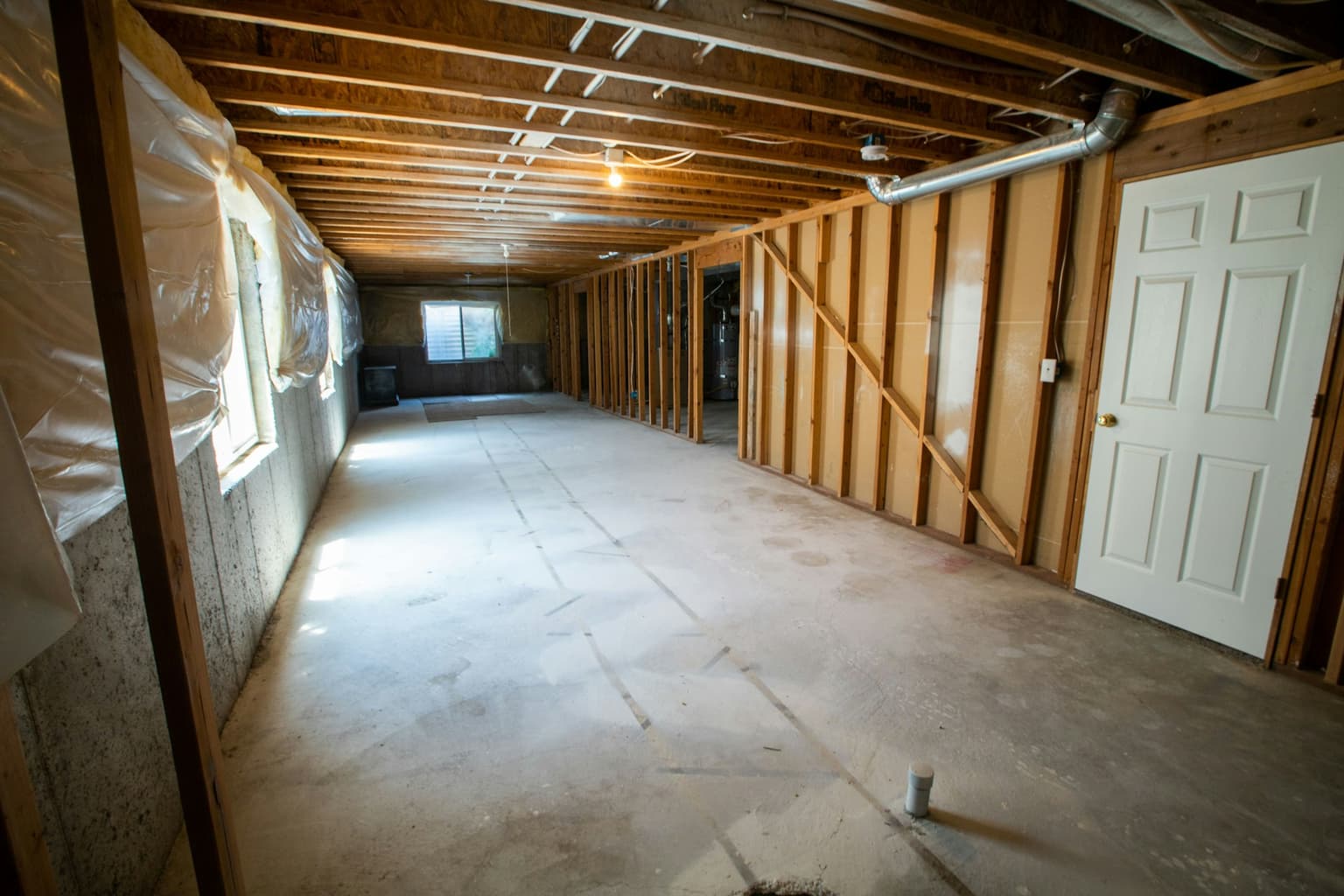
Reconstruction after a lossWhat the damage and a finished repair can look like
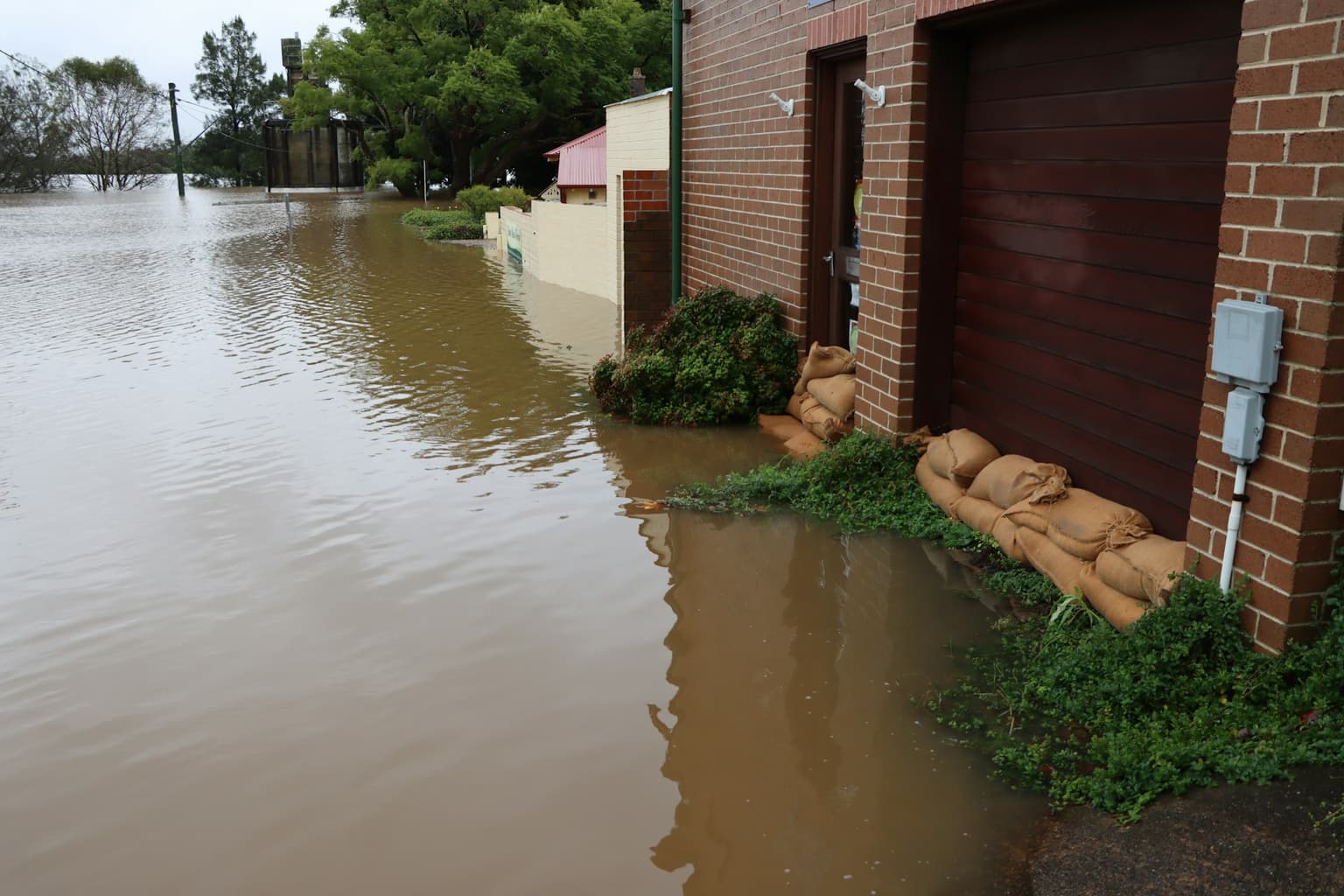
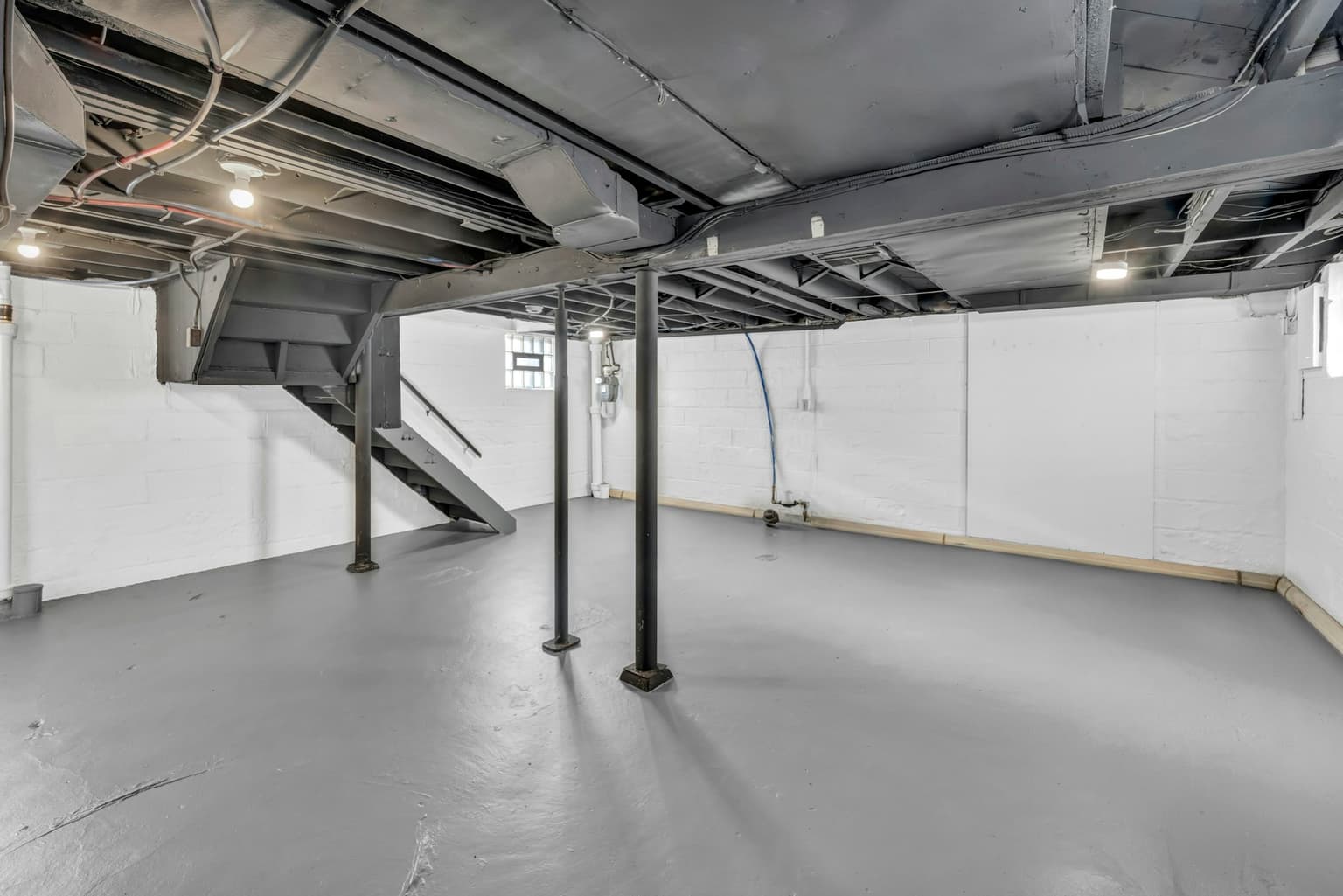
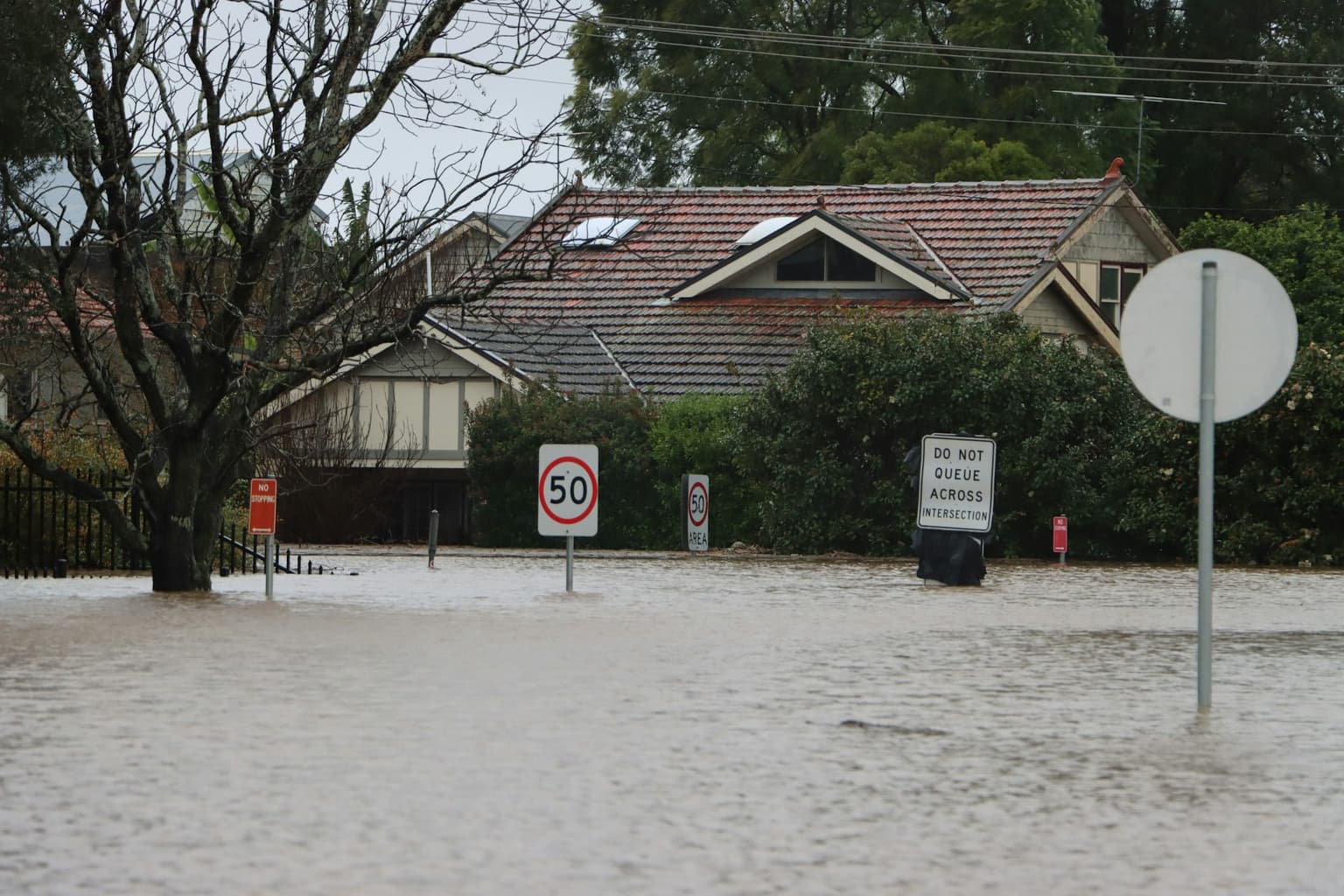
Example photos of different properties, not a documented before-and-after of one job.
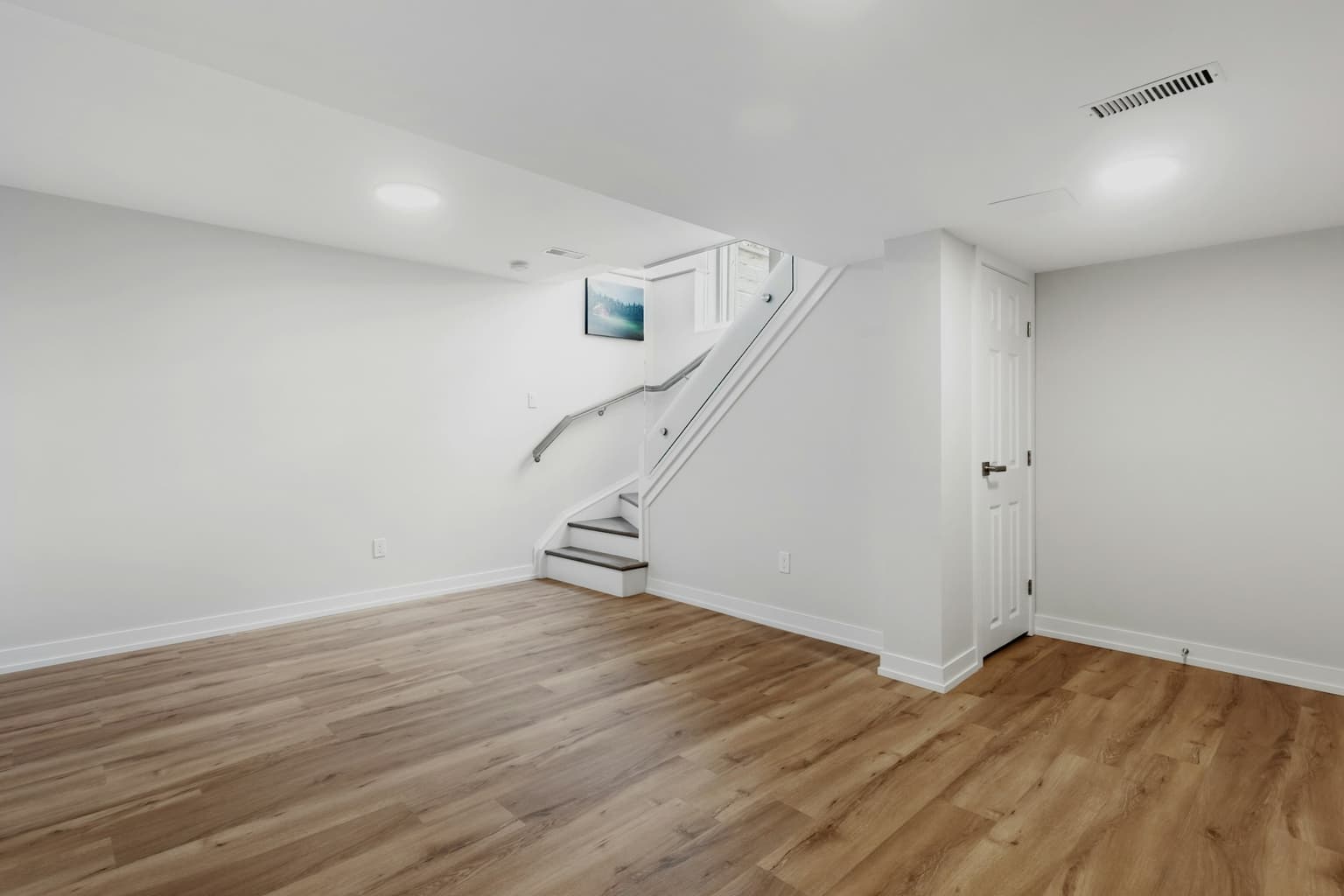
Drag to compare
Official guidance used on this page
- City of Toronto: Basement Flooding
- City of Toronto: Basement Flooding Protection Subsidy Program
- Health Canada: Flood cleanup and indoor air quality
- Insurance Bureau of Canada: Flood and water coverage
Coverage and safety requirements vary by property and policy. Confirm decisions with the relevant authority, licensed trade, and your insurance representative.
Frequently asked questions
- My basement is flooding right now. What do I do?
- Stay out of standing water if electricity, sewage or gas could be involved. If you can safely reach the main water valve and the leak is from inside the home, shut it off. For suspected sewer backup, avoid using sinks and toilets and contact Toronto 311 about a possible municipal issue. Call for cleanup after immediate hazards are addressed.
- Is a flooded basement covered by insurance in Ontario?
- It depends on the cause, exclusions, endorsements and your policy wording. The Insurance Bureau of Canada says sewer backup and overland flood coverages are commonly optional. Contact your insurer promptly, photograph the damage when safe, and ask what documentation and approvals it needs before disposal or repair.
- Can carpet be saved after a basement flood?
- That depends on the water source, time wet, carpet and underpad condition, and contamination. Do not assume a carpet is salvageable because the surface feels dry. Health Canada advises disposing of flood-exposed carpet and other porous items that cannot be properly cleaned and dried.
- Do you fix the foundation crack that let the water in?
- We can document the water entry and coordinate the cleanup and repair scope. A qualified waterproofing or drainage contractor should assess a suspected foundation or weeping-tile problem; the right fix depends on the actual path of water entry.
- How long before my basement is usable again?
- There is no reliable fixed timeline before the water source, contamination, wet materials and access are assessed. Extraction, drying and rebuilding are separate stages. We can explain the scope and schedule after seeing the property and checking how the affected materials respond.