What's included
- Emergency board-up & security
- Soot and smoke residue removal
- Smoke odour assessment and treatment
- Contents packout & cleaning
- Structural drying after firefighting
- Insurance scope documentation
- Demolition and debris disposal
- Full reconstruction
Wait for clearance before anyone goes back in
Do not re-enter until Toronto Fire Services or the appropriate authority says it is safe. Once access is permitted, we separate immediate protection from work that can wait: broken doors or windows, roof openings, water inside, and exposed contents. The first scope depends on the scene conditions, access, and what officials allow.
Secure the building and record the starting condition
Board-up or temporary covering may be needed for damaged openings. Before removal and cleaning, we photograph accessible rooms, damaged finishes, smoke patterns, water-affected materials, and items that may need special handling. That record helps the owner, adjuster, and repair team understand what was present before work changed the scene.
Treat soot, smoke, and water as different work
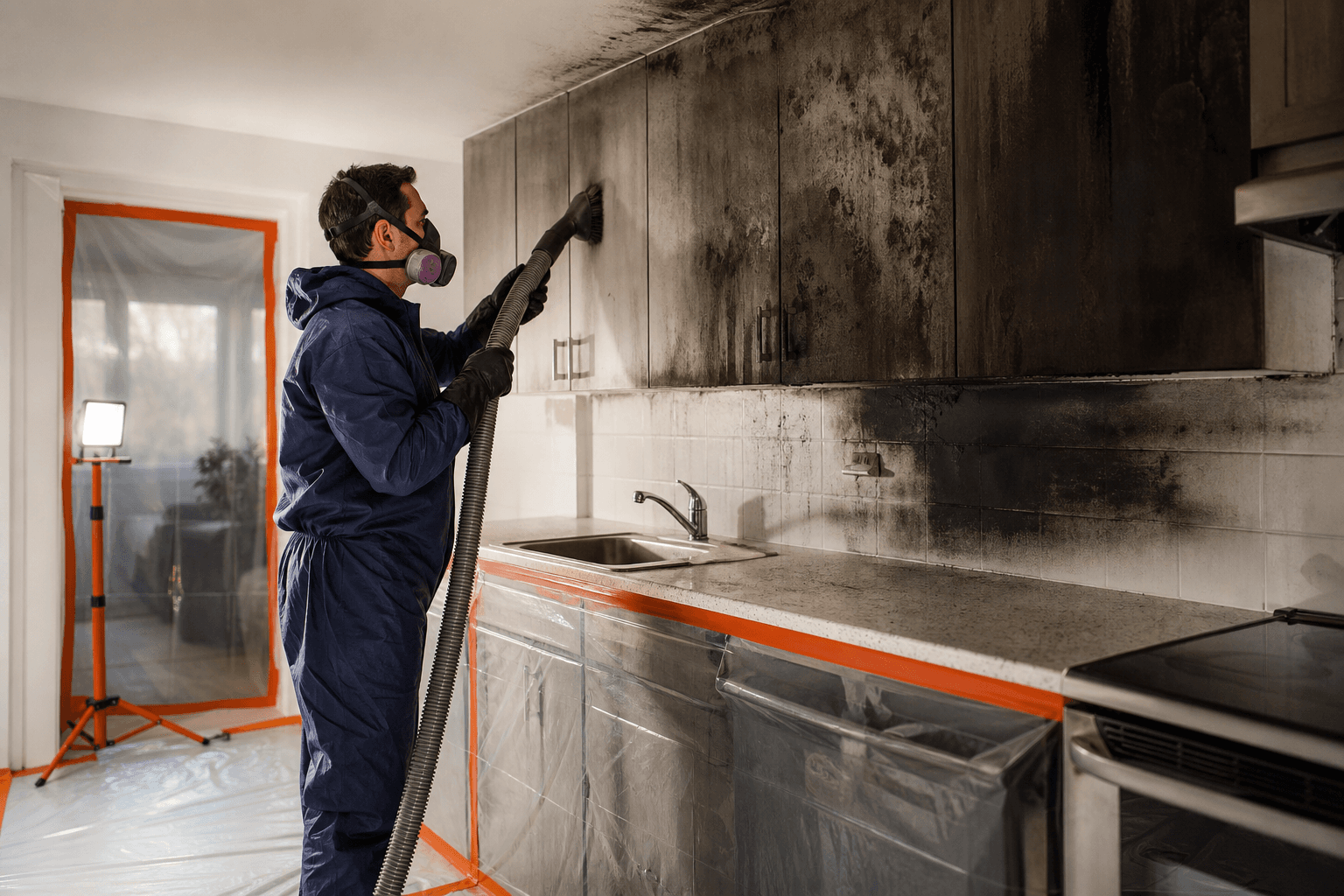
Soot can settle well beyond the burned area, while firefighting water can reach wall, floor, and ceiling assemblies. We assess what can be cleaned, what needs removal, and which wet materials need drying or further investigation. Cleaning methods depend on the residue and surface; aggressive wiping or painting over contamination can make the later repair harder.
Sort belongings before disposal
Furniture, textiles, electronics, documents, and sentimental items do not all respond to the same cleaning. We can inventory affected belongings and identify items that need specialist assessment, cleaning, storage, or replacement. Keep damaged items unless they are unsafe or your insurer directs otherwise; the Insurance Bureau of Canada advises confirming with your insurer before disposal.
Odour work follows the source
Smoke smell can remain in porous finishes, contents, and ventilation pathways. The plan starts with identifying affected materials, cleaning or removing what is appropriate, and deciding whether further odour treatment is needed. No treatment should be presented as a guarantee before the extent of contamination is understood and the cleaned space is reassessed.
Give the adjuster and rebuild team one clear scope
We organize photographs, affected areas, removals, cleaning, drying, and repair recommendations so the next stage has a usable record. Your insurer decides coverage and any approval requirements. Reconstruction can then be scoped around what was actually damaged, what was saved, and which inspections or specialist trades are needed.
From our work
How these jobs usually go
Each summary combines details from many similar jobs we have done. They describe our real work, not one specific property, and leave out homeowner details for privacy.
Kitchen fire: secured, cleaned and rebuilt
Kitchen fires usually start at the stove, but soot and smoke spread well past the burned area, and a broken window or door often leaves the house open.
- Boarded up the openings the same night
- Removed soot and smoke residue before it set into surfaces
- Treated the smoke odour at its source
- Rebuilt the kitchen
The home was secured on day one and the kitchen rebuilt under the same file.
Belongings packed out after a fire
Belongings that look ruined can often be cleaned, but they cannot stay in a smoky, wet house while repairs happen.
- Packed out the salvageable belongings
- Cleaned and stored them during the repairs
- Listed the items that could not be saved for the insurance claim
The homeowner keeps what can be saved, and the insurer gets a clear list of what could not.
Contents restorationDrying out after the fire department leaves
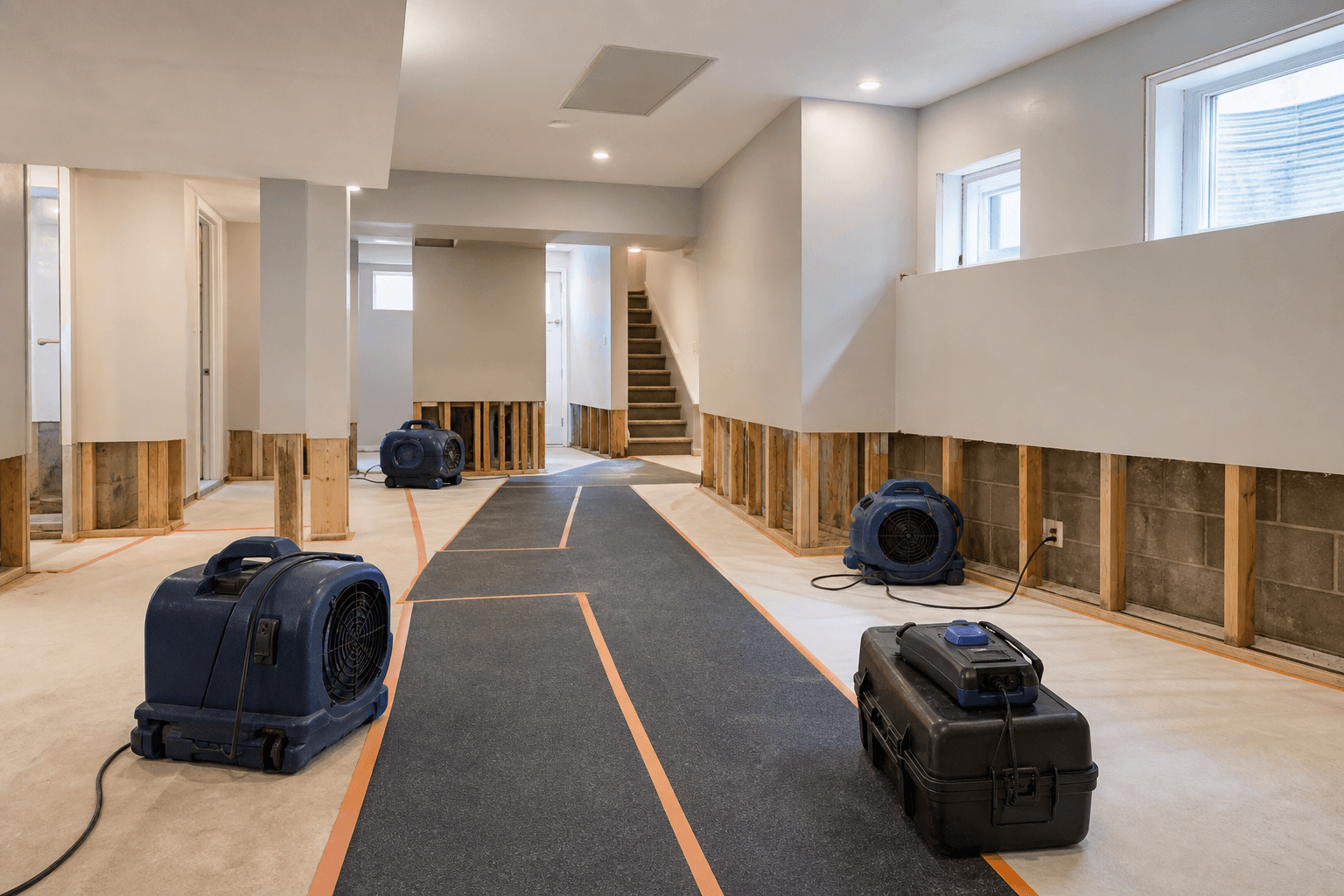
Putting out a fire soaks walls, floors and the rooms below. That water needs the same drying as any other flood.
- Extracted standing water and removed soaked materials that could not be dried
- Set drying equipment in the affected rooms
- Tracked the drying with moisture meters until materials read dry
The structure was dry and verified before smoke cleanup and repairs closed anything up.
Structural dryingLarger fire: demolition through finished rooms
Bigger fires leave structural damage that goes past cleaning.
- Demolished fire-damaged materials and removed the debris
- Re-framed where the structure needed it
- Rebuilt to finished rooms: insulation, drywall, flooring and paint
One crew handled the job from demolition to finished rooms.
Reconstruction after a lossWhat the damage and a finished repair can look like
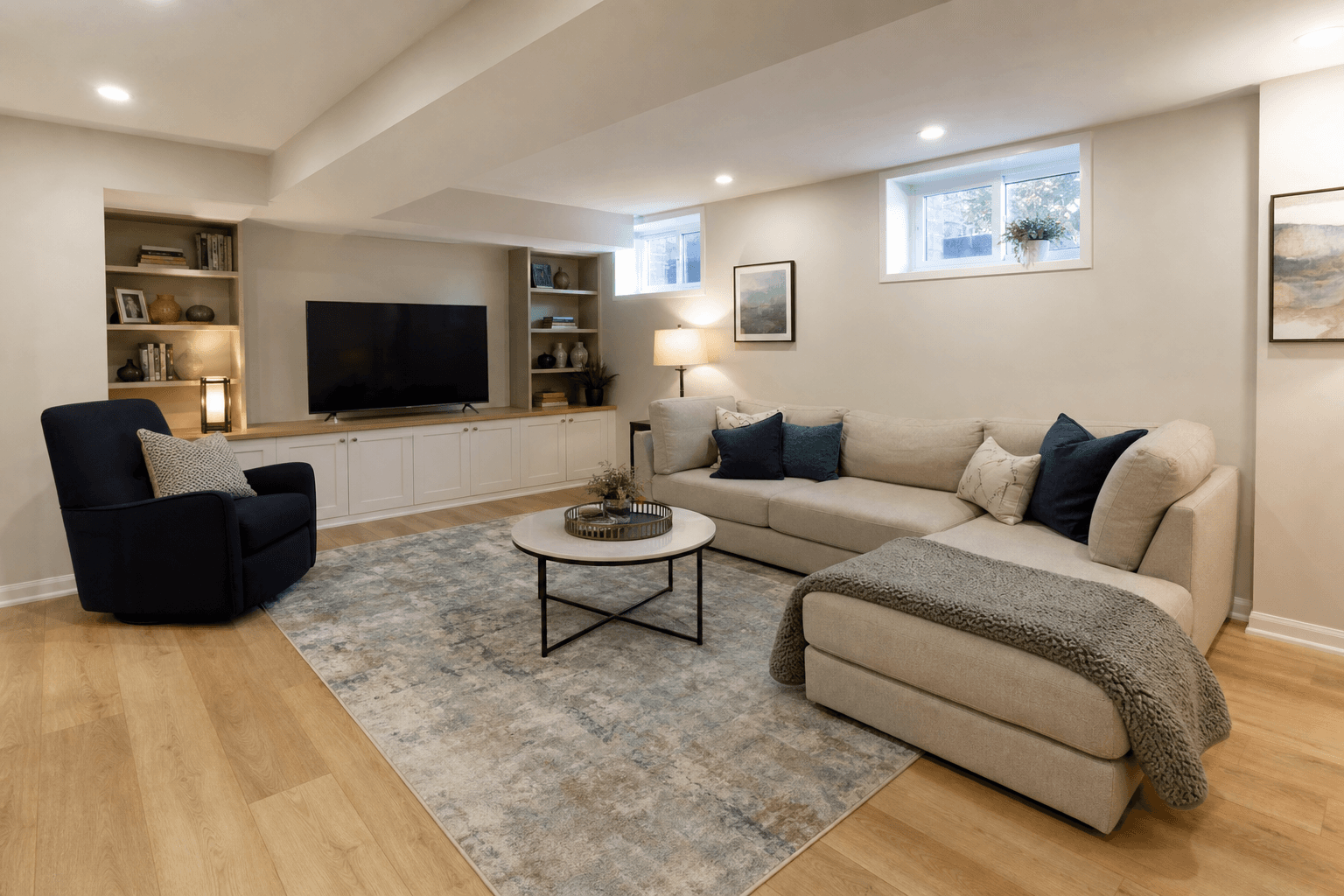
Example photos of different properties, not a documented before-and-after of one job.
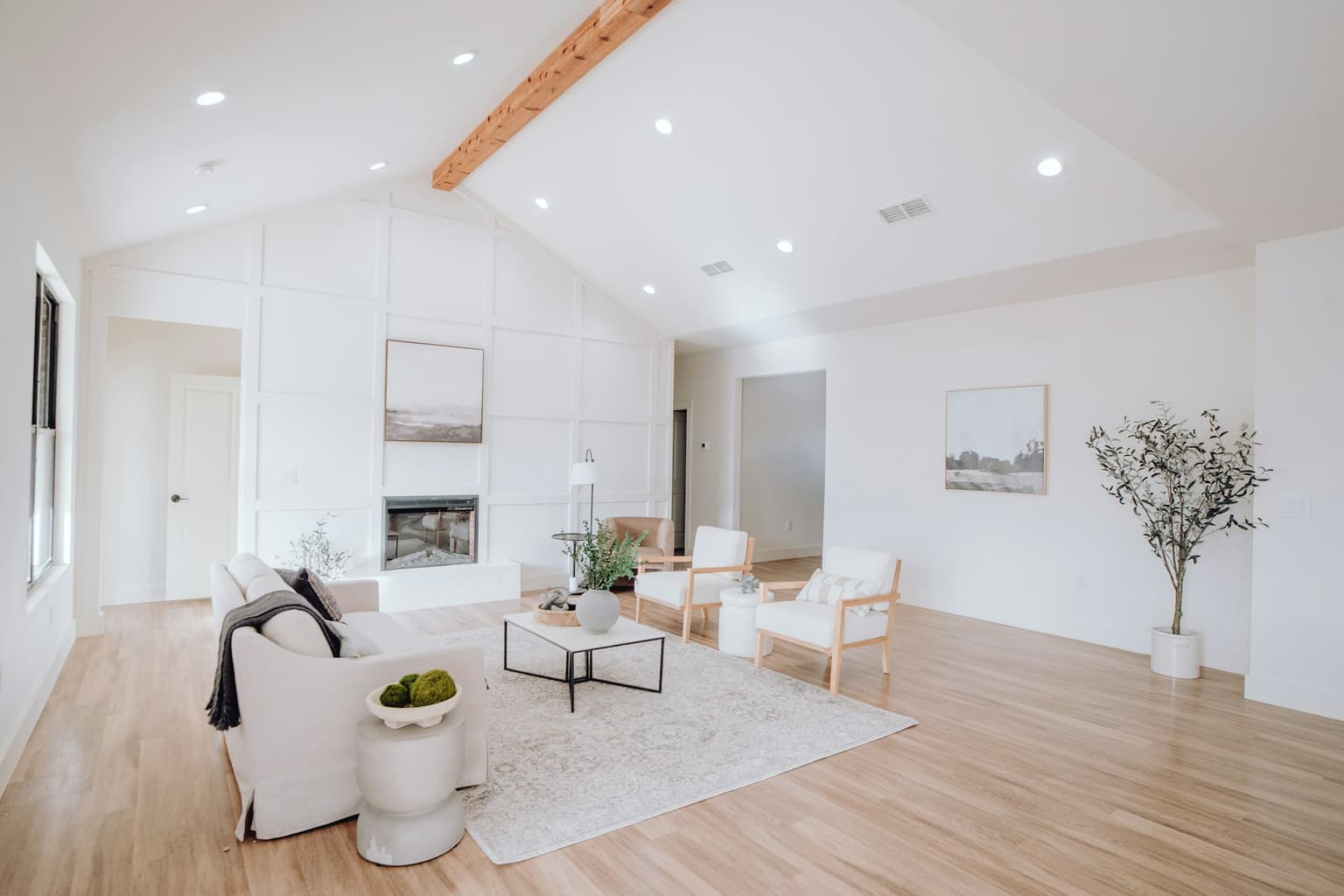
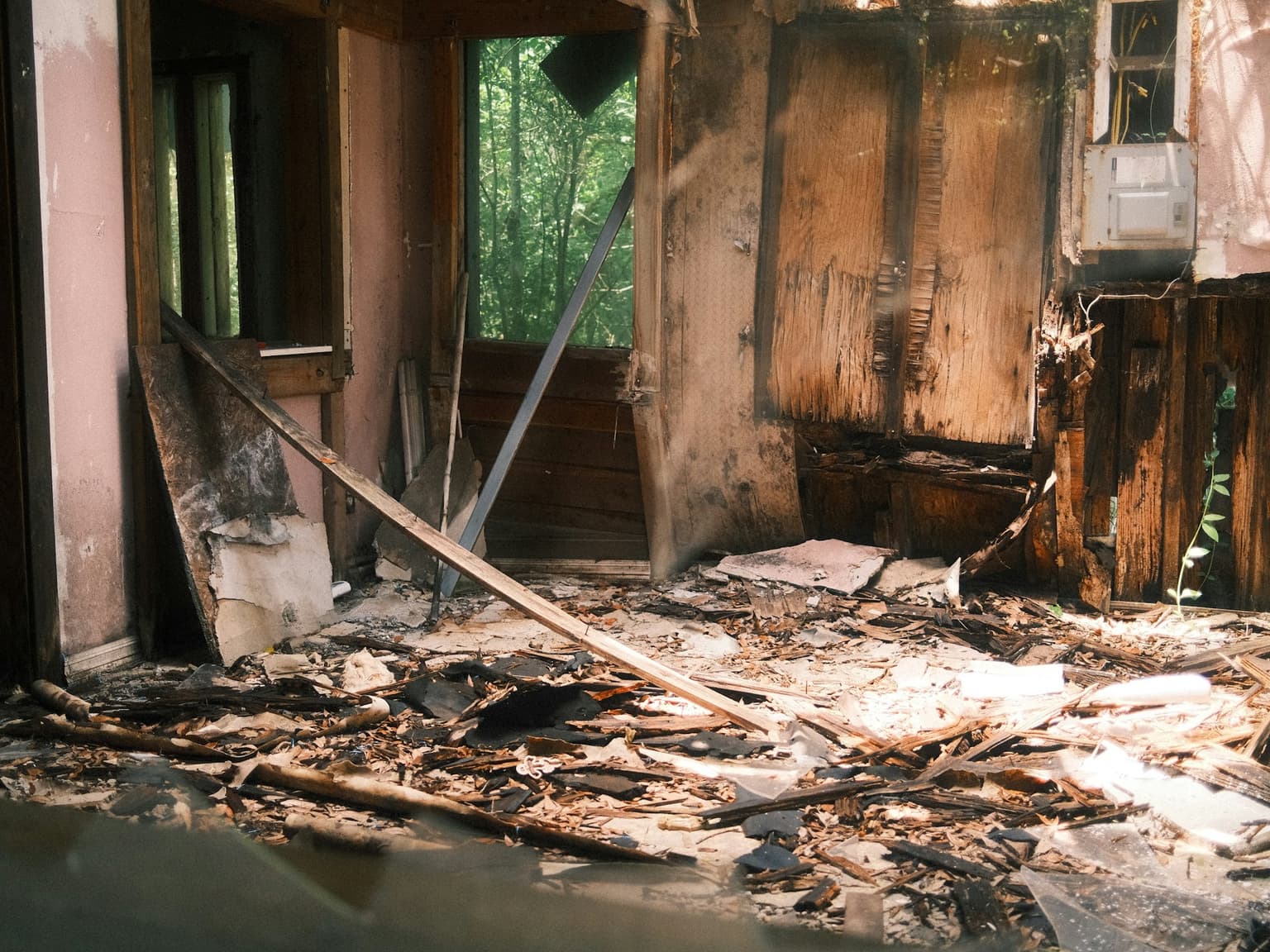
Drag to compare
Official guidance used on this page
- Toronto Fire Services: After a Fire recovery booklet
- City of Toronto: After an Emergency
- Insurance Bureau of Canada: How to file a home insurance claim
Coverage and safety requirements vary by property and policy. Confirm decisions with the relevant authority, licensed trade, and your insurance representative.