What's included
- 24/7 commercial fire response
- Board-up and weather protection
- Firefighting-water extraction
- Fire-residue and odour assessment
- Contents and equipment documentation
- Contained and phased work zones
- Property-manager and insurer records
- Commercial reconstruction and closeout
Start only after emergency responders release the accessible area
A restoration crew does not decide when a fire scene is safe to enter. The first call should identify the property address, current emergency status, known utilities or hazards, the contact who controls access, and whether Toronto Fire Services or another authority has released any part of the building. Staff and tenants should remain outside restricted areas. Once access is permitted, we document visible conditions and coordinate immediate protection without disturbing areas that remain under investigation or require review by a structural, environmental, electrical, fire-protection, or other qualified specialist.
Stabilize openings and address suppression water first
Broken doors, windows, roof openings, and damaged exterior assemblies can expose the property to weather and unauthorized entry. Sprinklers and firefighting can also leave water across floors, walls, ceilings, shafts, stock, and equipment. The initial scope may include board-up, temporary weather protection, safe water extraction, contents protection, and coordination with the building contacts responsible for power, gas, alarms, elevators, sprinkler systems, and security. Each action is photographed so later cleanup and repair decisions begin with a record of the original loss.
Give every stakeholder one communication route
Commercial fire losses can involve the owner, property manager, tenants, facilities staff, security, insurer, adjuster, fire-protection vendor, equipment suppliers, and several regulated trades. We establish who authorizes emergency work, who receives updates, which areas belong to each tenant, and how loading, keys, alarms, parking, work hours, and notices are managed. A written contact and area plan prevents conflicting instructions and separates confirmed restoration conditions from insurance, occupancy, or code decisions that belong to other parties.
Assess residue boundaries beyond the visibly burned room
Smoke can move through doors, ceiling spaces, shafts, return-air paths, and pressure differences before settling on finishes, equipment, and contents. The IICRC S700 standard addresses assessment of the presence, intensity, and boundaries of fire residues and odours across buildings, building systems, and contents. We use visible patterns, material conditions, the event history, and appropriate specialist input to define the working areas. That keeps a dark surface from being treated as the only damage and prevents an entire building from being assigned one cleaning method without evidence.
Plan cleaning and odour work by material and residue
Dry particles, oily residue, melted material, extinguisher discharge, water, and heat can affect the same room in different ways. Metal, glass, masonry, painted walls, acoustic ceilings, textiles, electronics, and food-contact areas do not share one cleaning process. We test methods where appropriate, identify porous materials that cannot be restored responsibly, and keep source removal separate from deodorizing. HVAC impacts may require assessment and work by the appropriate building-system specialist; circulating air before that decision can move residue into areas that were not part of the original working zone.
Document contents before relocating or disposing of them
Inventory, documents, furniture, tenant property, tools, and business equipment should be recorded in place when safe access allows. Items can then be grouped for protection, evaluation, cleaning, specialized assessment, secure storage, or documented disposal. Computers, machinery, food, pharmaceuticals, and other regulated or sensitive goods may need decisions from the owner, insurer, manufacturer, or a specialist rather than a restoration crew alone. A labelled area and contents record reduces lost property, mixed tenant inventory, and disputes about what was affected.
Phase operations only where the building can support it safely
A separate suite, floor, warehouse zone, or storefront may sometimes remain operational while another area is isolated. That is not a restoration-company promise. Structural condition, utilities, alarms and sprinklers, egress, indoor-air concerns, tenant separation, equipment routes, and directions from the applicable authorities all affect the decision. We can plan barriers, access, noisy work, deliveries, and debris movement around confirmed safe zones and schedule disruptive tasks after hours where practical. The property operator and relevant authorities determine occupancy and reopening.
Carry the same record into permits, repairs, and closeout
The project file can include labelled photographs, area notes, stabilization work, residue and contents records, specialist findings, cleaning tests, removal documentation, progress updates, and an itemized repair scope. Coverage and settlement remain decisions for the policy parties, so our records describe observed conditions and completed work without promising what an insurer will approve. Reconstruction then addresses the approved ceilings, walls, insulation, flooring, millwork, finishes, and affected building systems, with permits and inspections coordinated where the repair scope requires them. The final walkthrough follows the same area plan used at the start.
From our work
How these jobs usually go
Each summary combines details from many similar jobs we have done. They describe our real work, not one specific property, and leave out homeowner details for privacy.
Kitchen fire: secured, cleaned and rebuilt
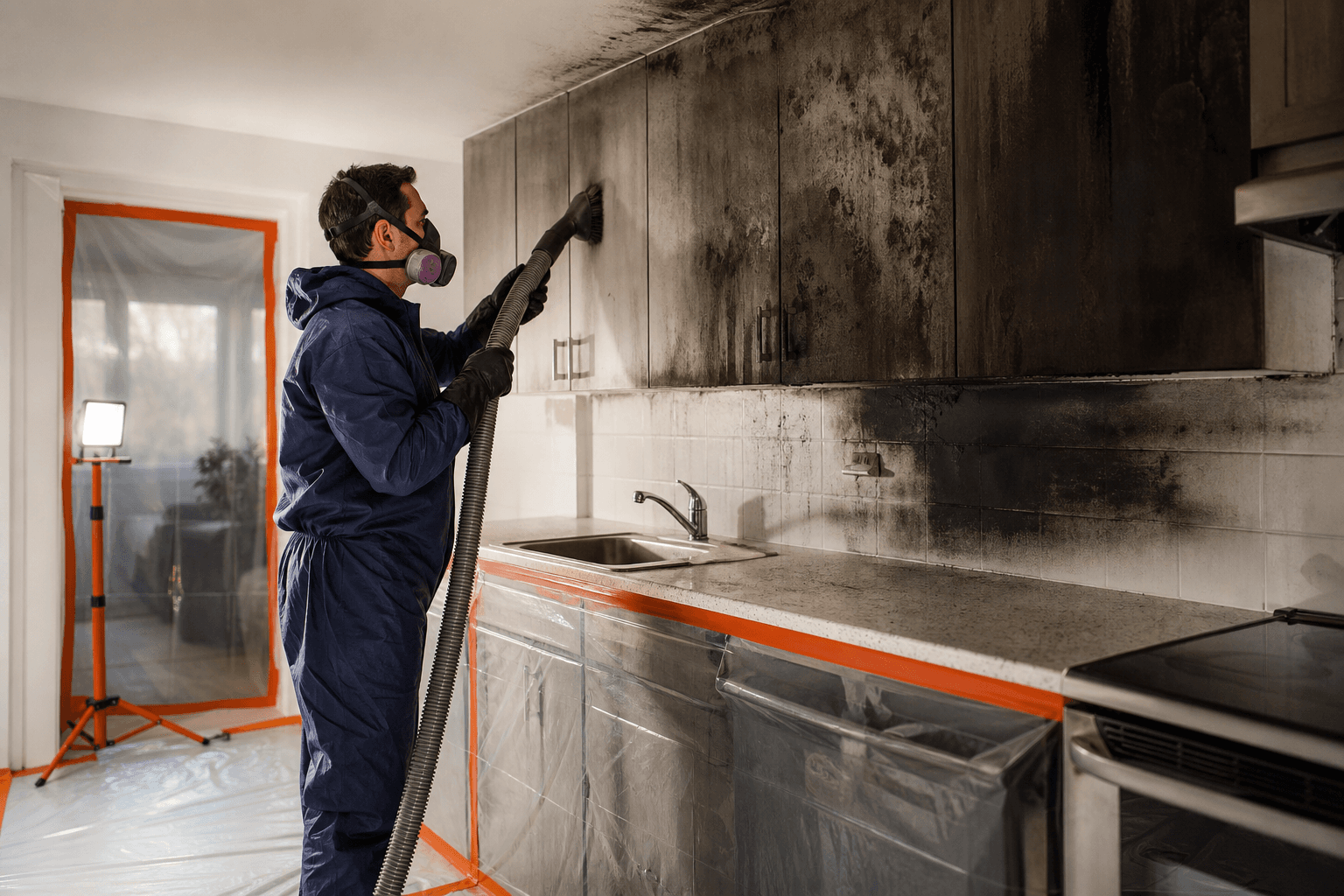
Kitchen fires usually start at the stove, but soot and smoke spread well past the burned area, and a broken window or door often leaves the house open.
- Boarded up the openings the same night
- Removed soot and smoke residue before it set into surfaces
- Treated the smoke odour at its source
- Rebuilt the kitchen
The home was secured on day one and the kitchen rebuilt under the same file.
Fire damage restorationBelongings packed out after a fire
Belongings that look ruined can often be cleaned, but they cannot stay in a smoky, wet house while repairs happen.
- Packed out the salvageable belongings
- Cleaned and stored them during the repairs
- Listed the items that could not be saved for the insurance claim
The homeowner keeps what can be saved, and the insurer gets a clear list of what could not.
Contents restorationDrying out after the fire department leaves
Putting out a fire soaks walls, floors and the rooms below. That water needs the same drying as any other flood.
- Extracted standing water and removed soaked materials that could not be dried
- Set drying equipment in the affected rooms
- Tracked the drying with moisture meters until materials read dry
The structure was dry and verified before smoke cleanup and repairs closed anything up.
Structural dryingLarger fire: demolition through finished rooms
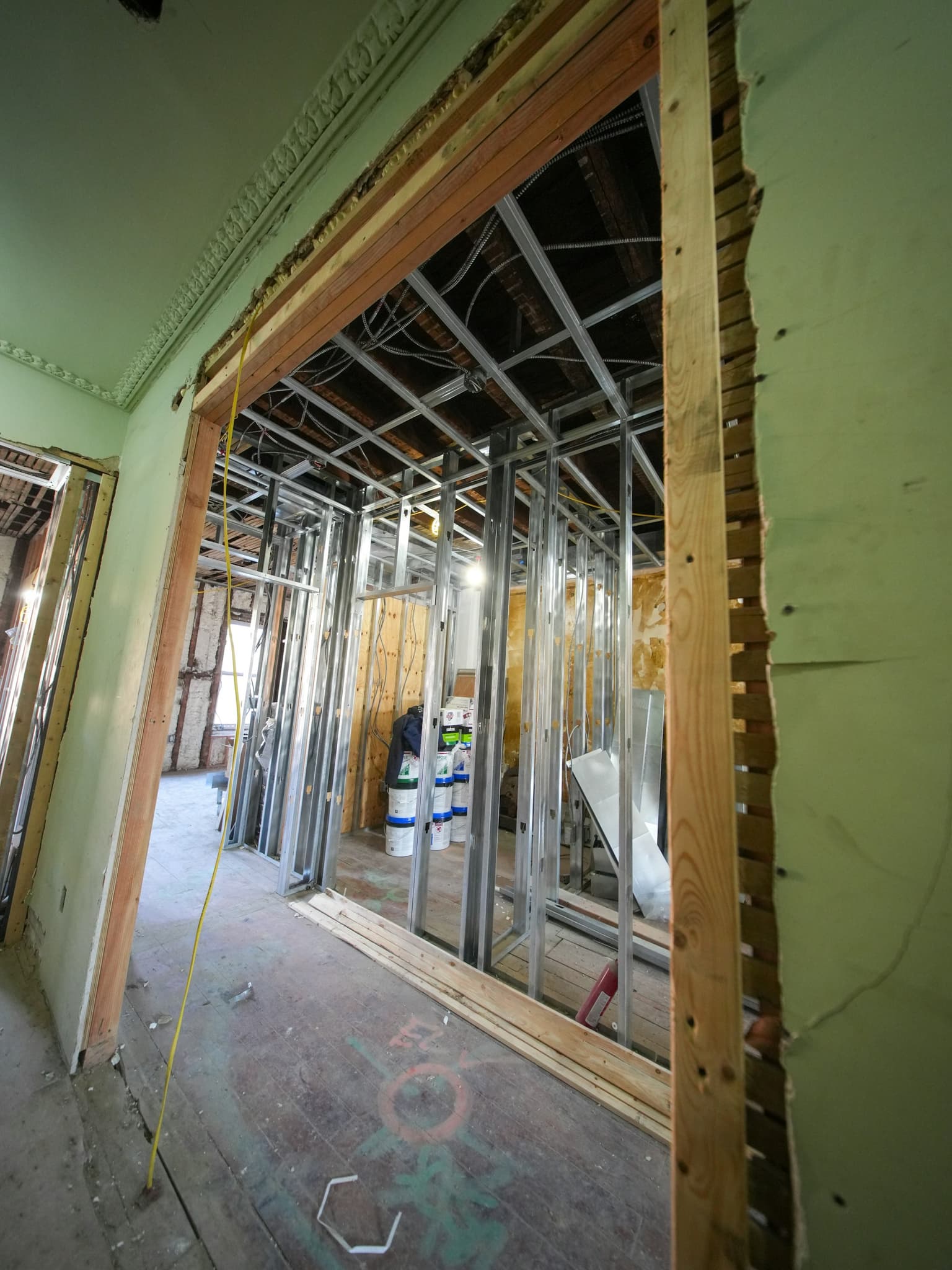
Bigger fires leave structural damage that goes past cleaning.
- Demolished fire-damaged materials and removed the debris
- Re-framed where the structure needed it
- Rebuilt to finished rooms: insulation, drywall, flooring and paint
One crew handled the job from demolition to finished rooms.
Reconstruction after a lossWhat the damage and a finished repair can look like
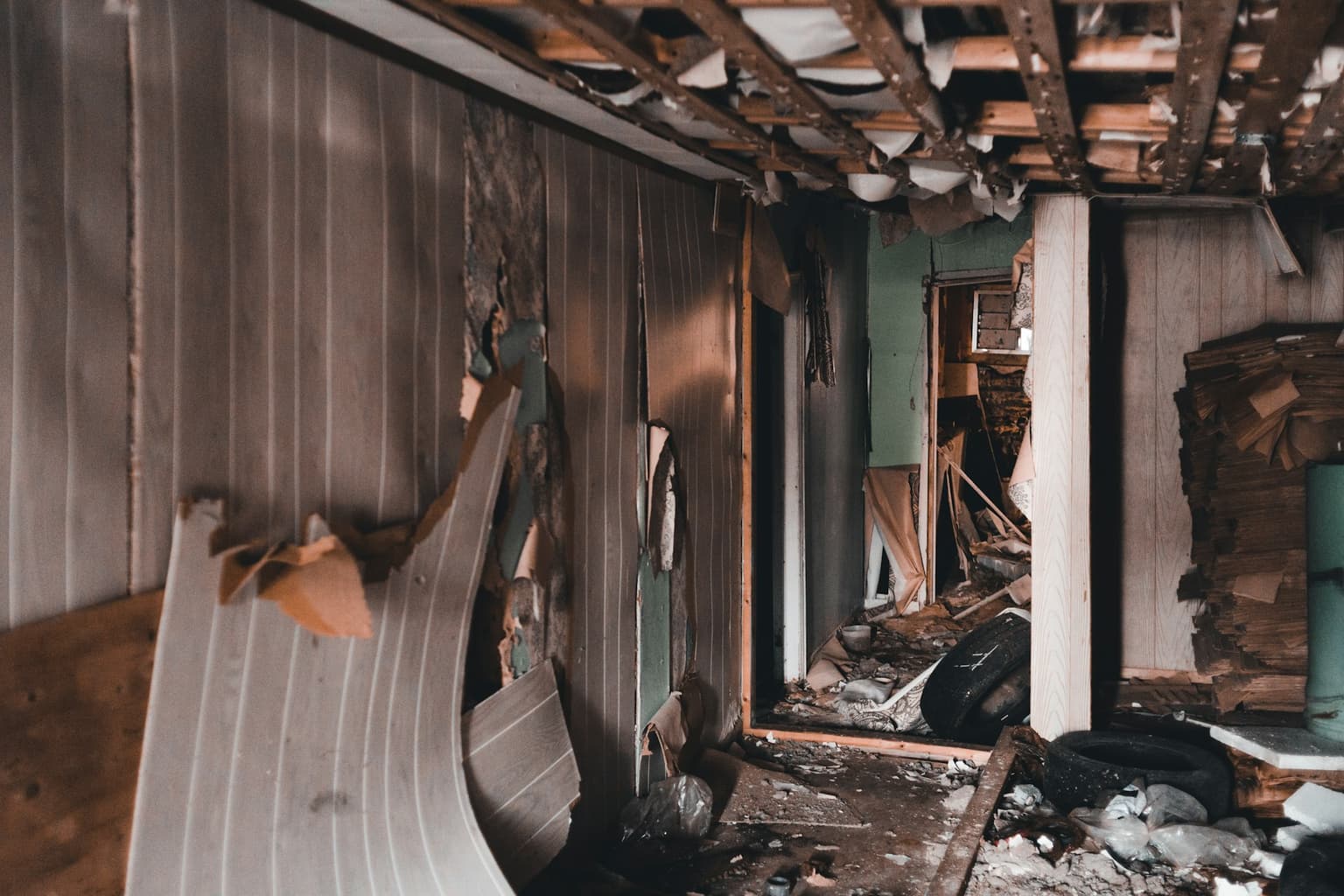
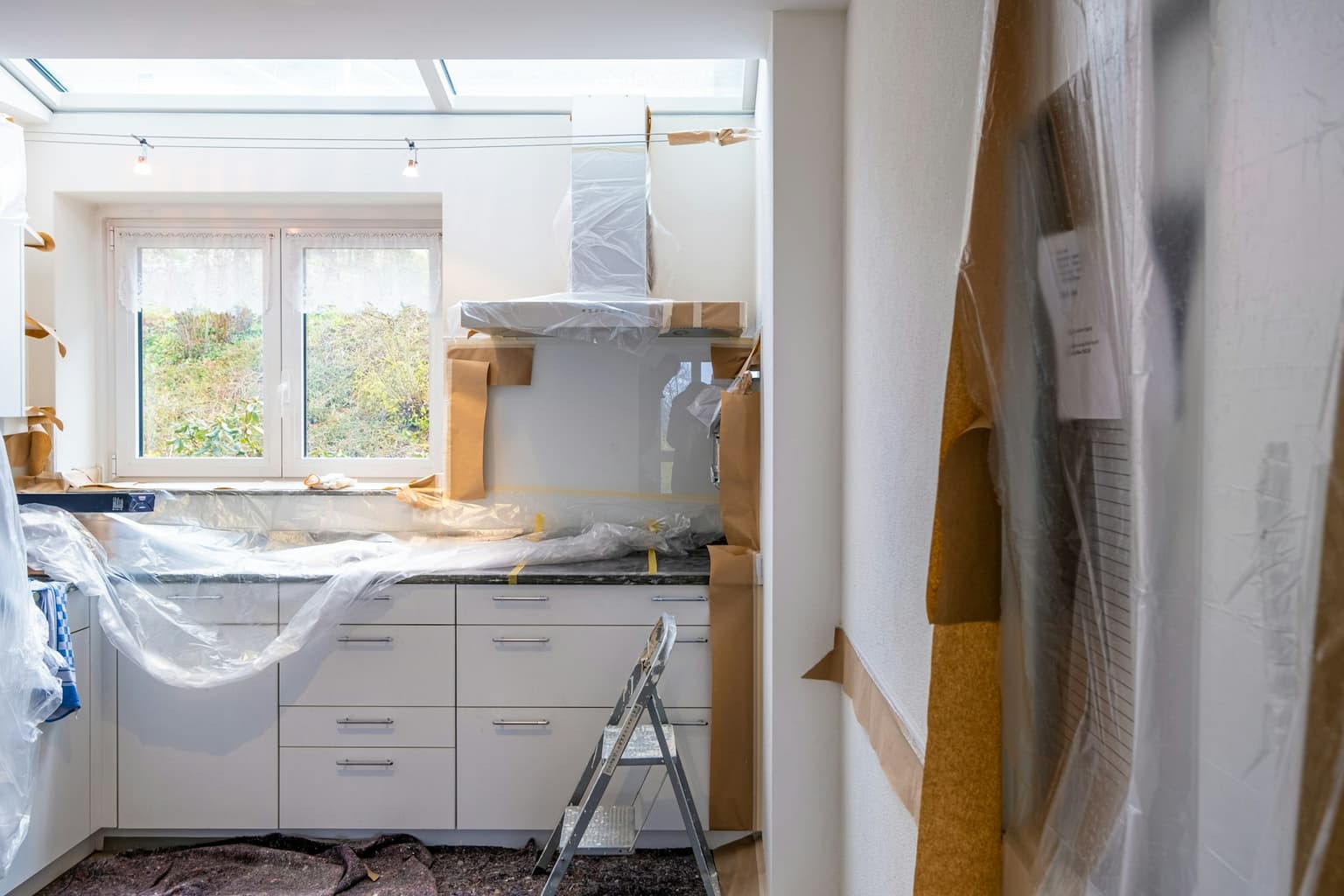
Example photos of different properties, not a documented before-and-after of one job.
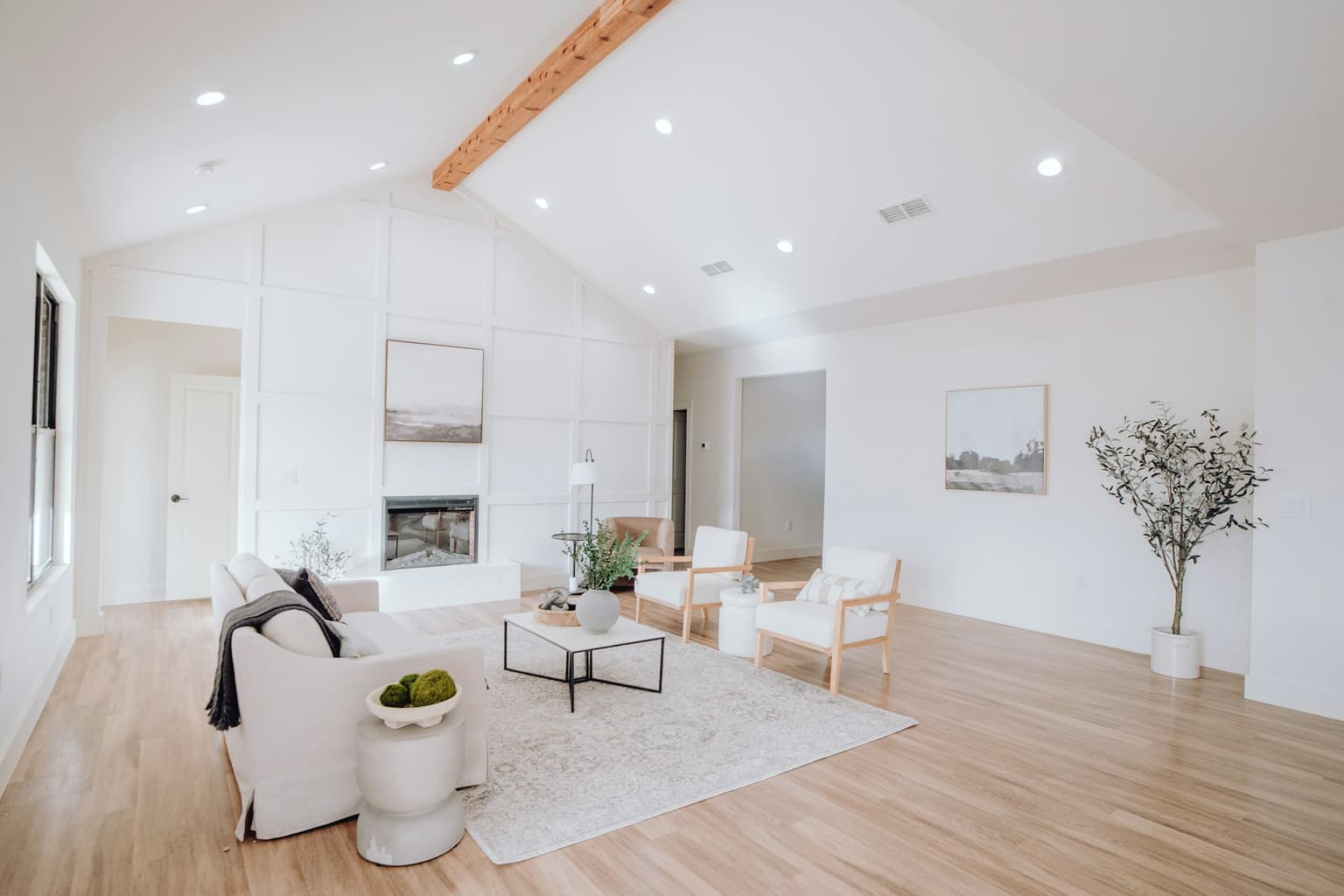
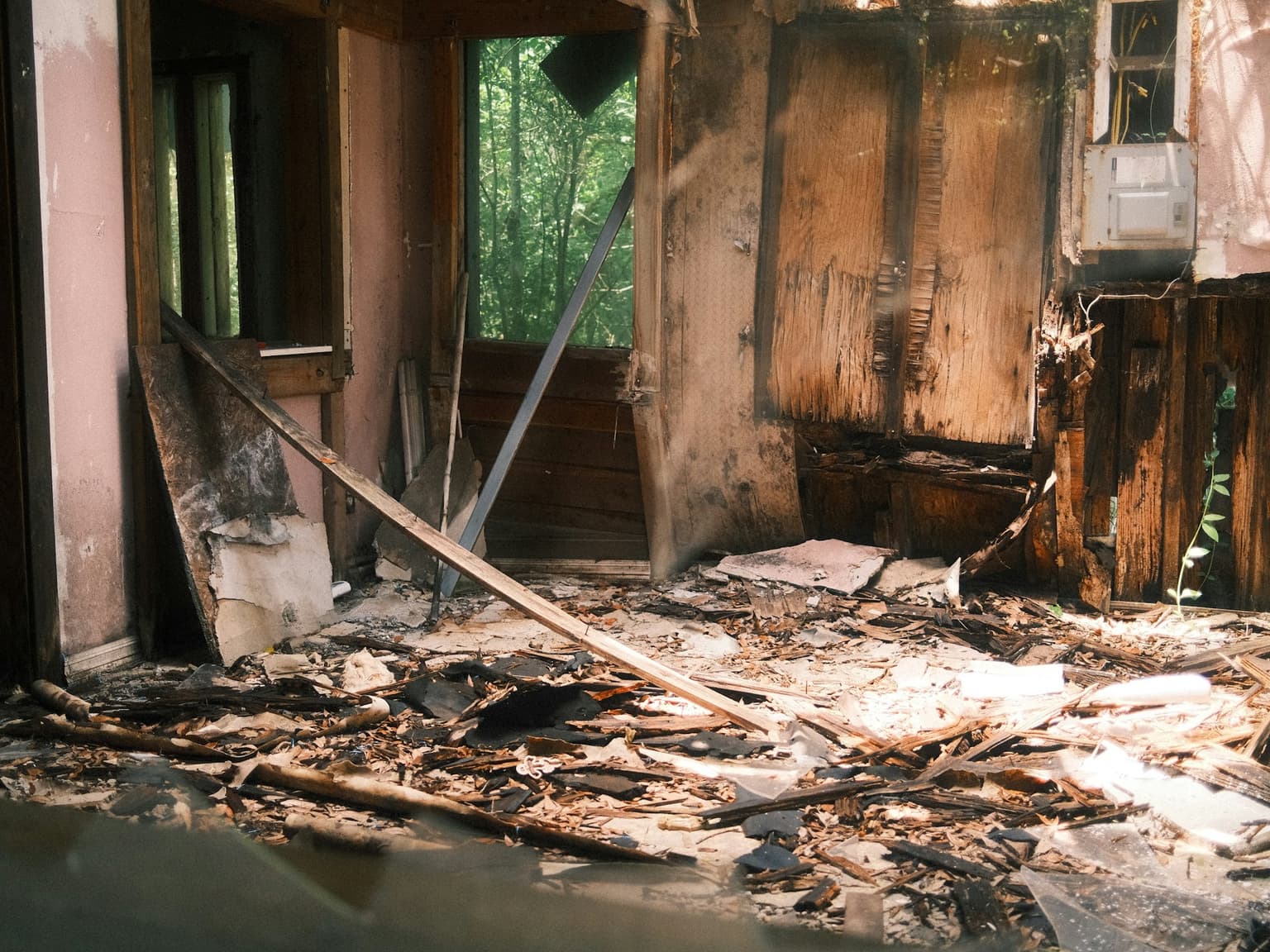
Drag to compare
Official guidance used on this page
- IICRC: ANSI/IICRC S700 Standard for Professional Fire and Smoke Damage Restoration
- Toronto Fire Services: After a Fire — resources to assist recovery
- City of Toronto: After an emergency and damaged-utility guidance
Coverage and safety requirements vary by property and policy. Confirm decisions with the relevant authority, licensed trade, and your insurance representative.