What's included
- 24/7 water-removal dispatch
- Standing-water and surface extraction
- Burst pipe and appliance-leak response
- Flood and storm-water assessment
- Moisture mapping beyond the visible water
- Commercial drying equipment setup
- Photos, readings, and insurer documentation
- Cleanup and reconstruction planning
Make entry safe before anyone walks into the water
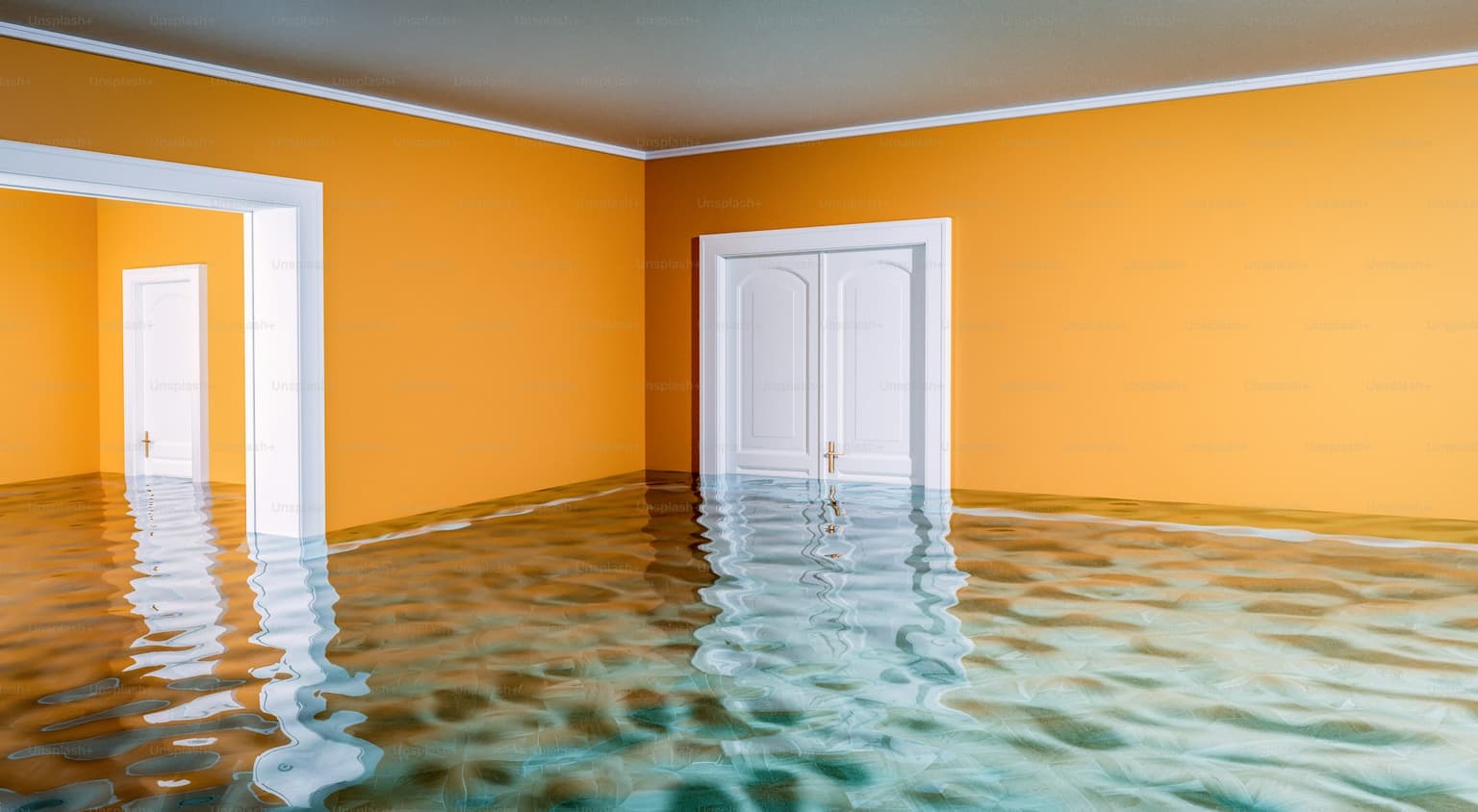
Tell dispatch whether water is still entering, how deep it is, which rooms or levels are affected, and whether it has reached outlets, appliances, a furnace, or the electrical panel. The City of Toronto warns against entering a flooded basement when water may contact electrical equipment and advises contacting Toronto Hydro when power must be disconnected. Sewage, fuel, chemicals, unstable finishes, and a released appliance can add other hazards. Extraction begins only after the accessible work area and required utility controls are understood.
Stop the source and identify what kind of water entered
A failed supply line, burst pipe, overflowing fixture, appliance leak, roof opening, foundation seepage, overland flood, and sewer backup do not create the same cleanup scope. We record the reported source, timeline, visible condition, odour, debris, affected utilities, and any findings from the plumber, building operator, Toronto Water, or other responsible party. Source repair may require a licensed trade, but it must be coordinated with extraction so water is not being removed while the loss continues to grow.
Remove accessible water without pretending the floor is the whole loss
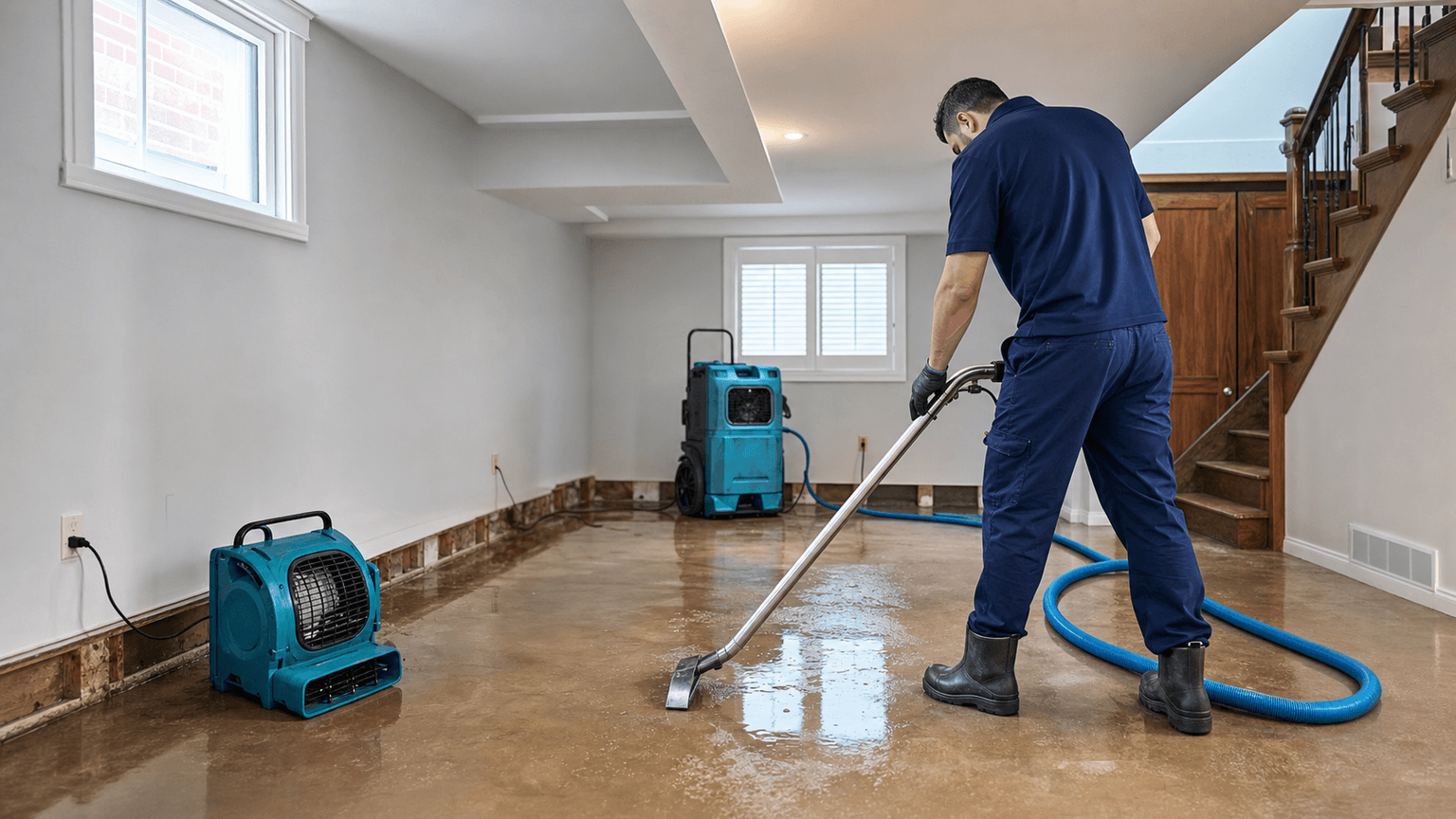
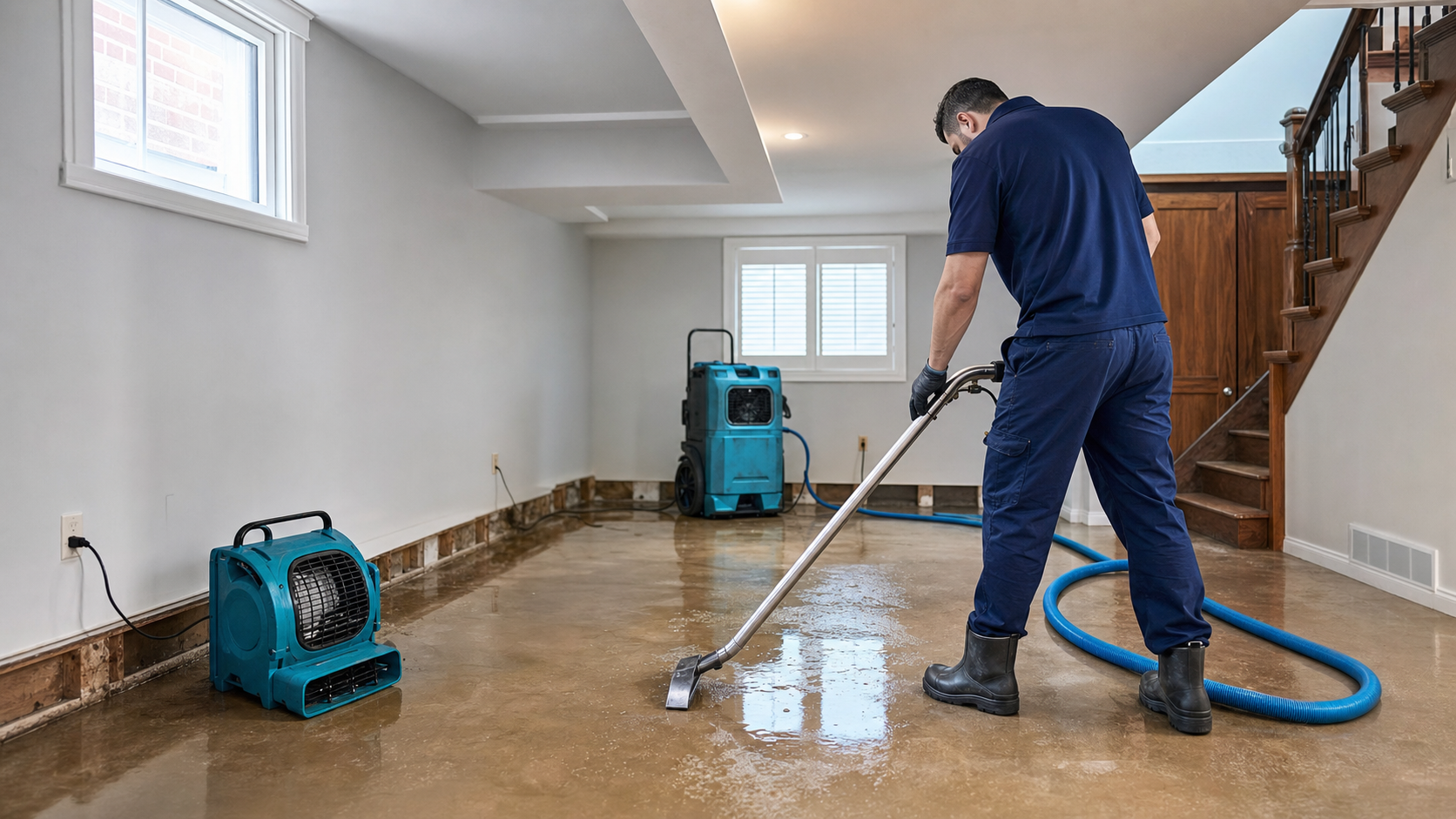
Portable or truck-mounted extraction equipment is selected for the depth, surface, access, contamination, and scale of the loss. Open water can often be removed first, followed by extraction from suitable carpet, hard flooring, cracks, edges, and low points. Some assemblies or contaminated porous materials need controlled removal instead of repeated extraction. Pump-out speed may also need to account for building conditions and the advice of the appropriate structural, plumbing, electrical, or municipal party.
Map where water moved after the visible pool is gone
Water can wick into drywall, insulation, bottom plates, subfloors, floor systems, cabinets, ceiling cavities, and adjoining rooms. We compare visible conditions with direct moisture readings and thermal patterns where useful, then mark the working boundary. That record guides selective access, material decisions, equipment placement, and later checks. A surface that looks dry after extraction is not proof that the assembly beneath it is ready to close.
Separate cleanable materials from contamination and irreversible damage
Material decisions depend on the water source, elapsed time, porosity, construction, physical damage, and whether all affected surfaces can be reached. Sound materials affected by a recent clean-water release may be candidates for drying in place. Sewage-contacted, delaminated, swollen, deteriorated, or inaccessible porous materials may need removal. The decision is documented by area rather than applying the same demolition rule to every water loss.
Move directly from extraction into structural drying
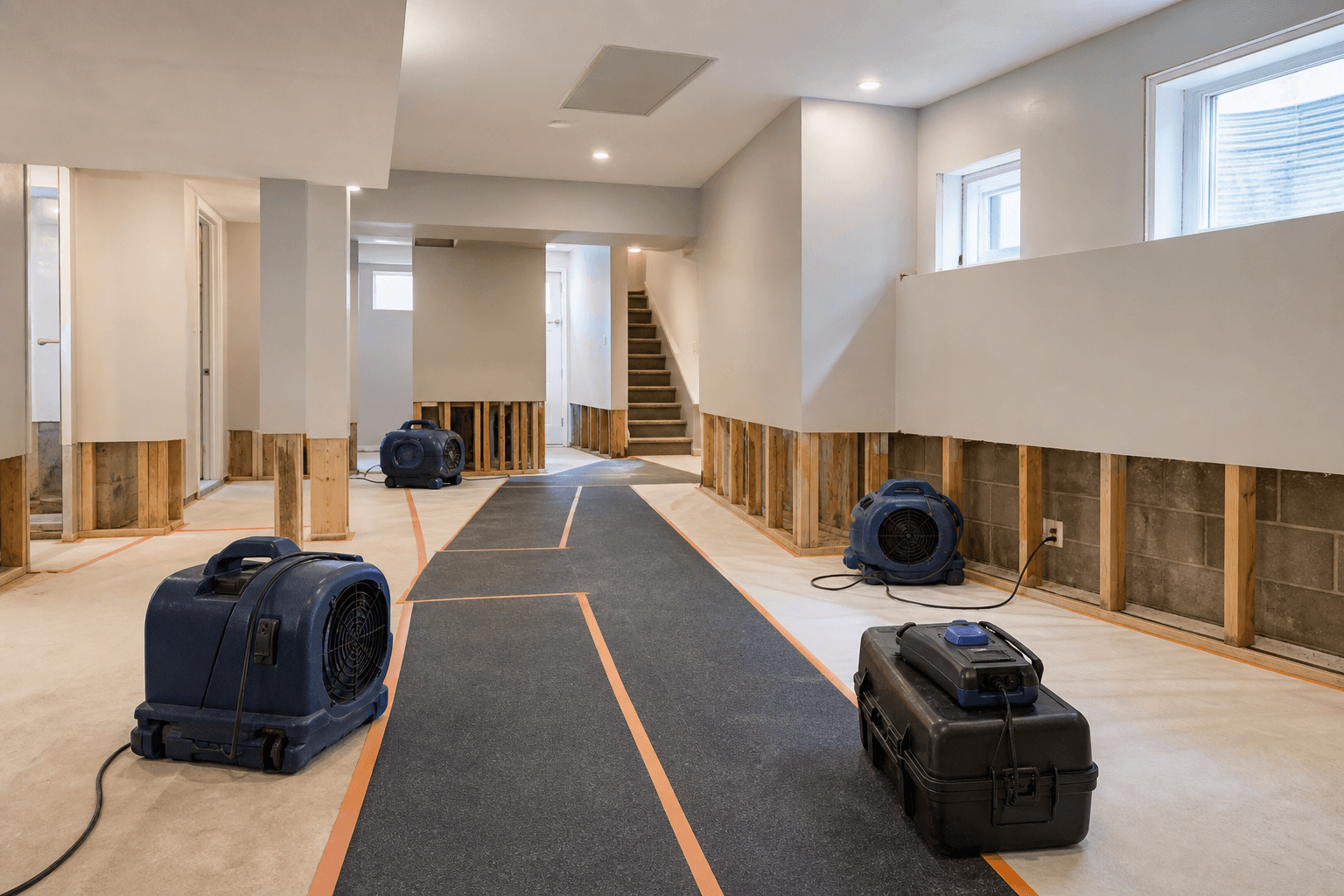
Extraction reduces the amount of water that must evaporate, but it does not finish the drying process. Air movers, dehumidification, controlled access, and specialty drying are planned around the retained materials and the conditions in the property. Follow-up readings show whether the wet boundary is shrinking, a concealed layer needs access, the source is still active, or equipment should be repositioned. Health Canada advises prompt drying because standing water and wet materials can support mould and microbial growth.
Build the claim record while the emergency work is happening
The file can include the reported cause and timeline, initial photographs, affected rooms, water-removal notes, moisture maps, material decisions, equipment placement, progress readings, contents observations, disposal records where applicable, and the repair scope. The City of Toronto advises property owners to contact their insurer promptly, photograph flood damage, retain cleanup receipts, and report basement flooding to 311. Coverage and authorization remain decisions for the policyholder and insurer.
Close extraction with a drying and repair handoff—not a wet vacuum receipt
Before the extraction phase closes, the owner or property contact should know what source work remains, which materials are being monitored, what cannot be saved, where equipment is operating, when readings will be checked, and how the affected area should be used. Once retained materials reach the documented dry condition and the source is corrected, we can carry the approved scope into insulation, drywall, flooring, trim, millwork, and paint.
Before & after

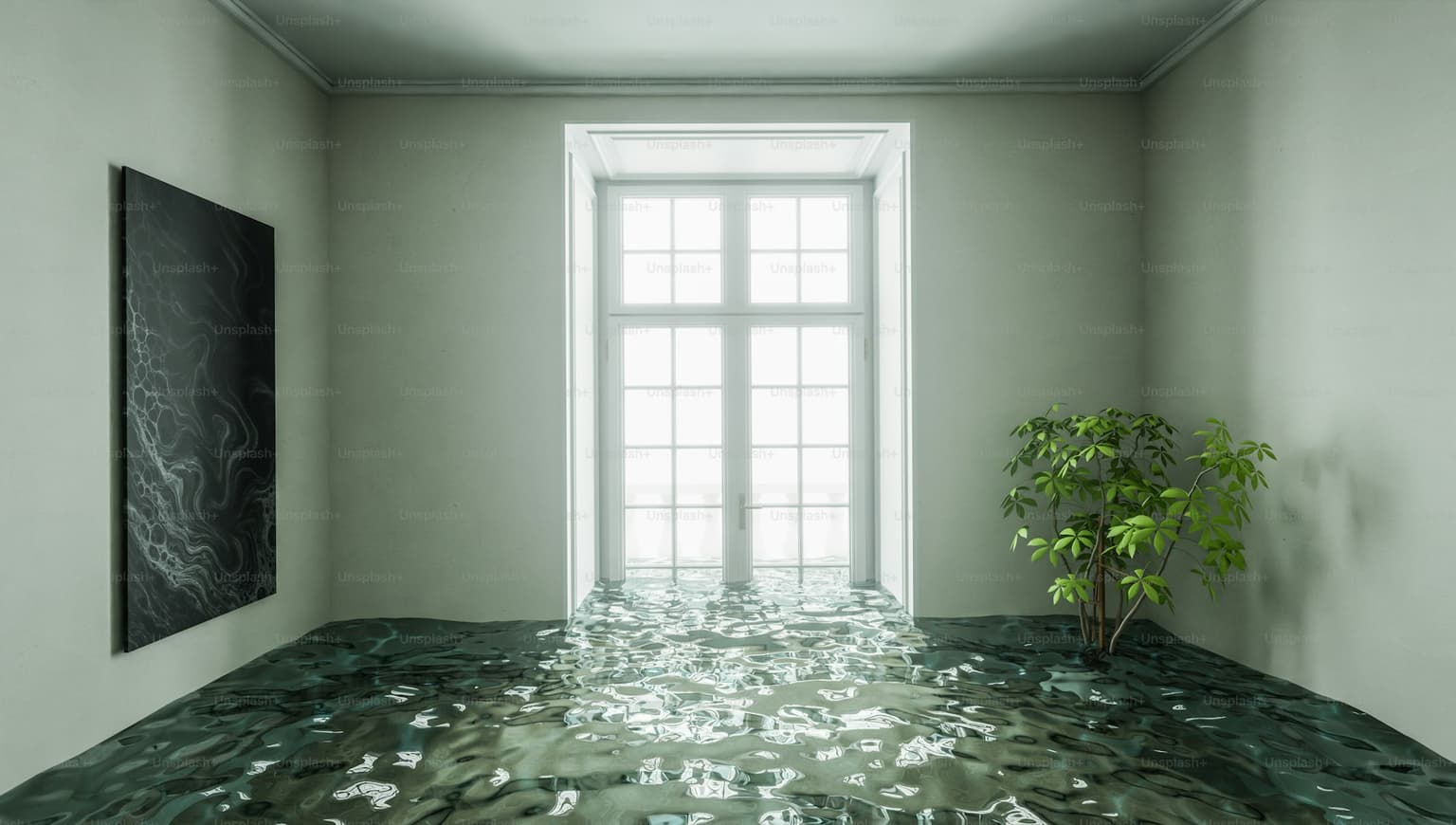
Drag to compare
Official guidance used on this page
- City of Toronto: basement flooding response and safety guidance
- Health Canada: flood cleanup and indoor air quality
- Electrical Safety Authority: flooding and electrical hazards
- IICRC: ANSI/IICRC S500 water damage restoration standard overview
Coverage and safety requirements vary by property and policy. Confirm decisions with the relevant authority, licensed trade, and your insurance representative.