What's included
- 24/7 commercial sewage response
- Affected-area isolation and access control
- Extraction and contaminated debris removal
- Cleaning, disinfection, and odour-source removal
- Structural drying with recorded readings
- Contents and inventory condition records
- Property manager and insurer documentation
- Commercial repairs and reconstruction
Use the first call to stop exposure and further discharge
Tell us where the backup appeared, whether sewage is still entering, which rooms or floors are affected, whether water is near electrical equipment, and who controls building access. Staff, tenants, customers, and contractors should stay out of the affected area. If a sewer backup is suspected, the City of Toronto advises avoiding toilets and sinks until the problem is resolved because more drainage can send additional water into the property. A plumber, Toronto Water, electrician, elevator contractor, or another specialist may need to address the source or make equipment safe while cleanup planning begins.
Separate the contaminated zone from the rest of the operation
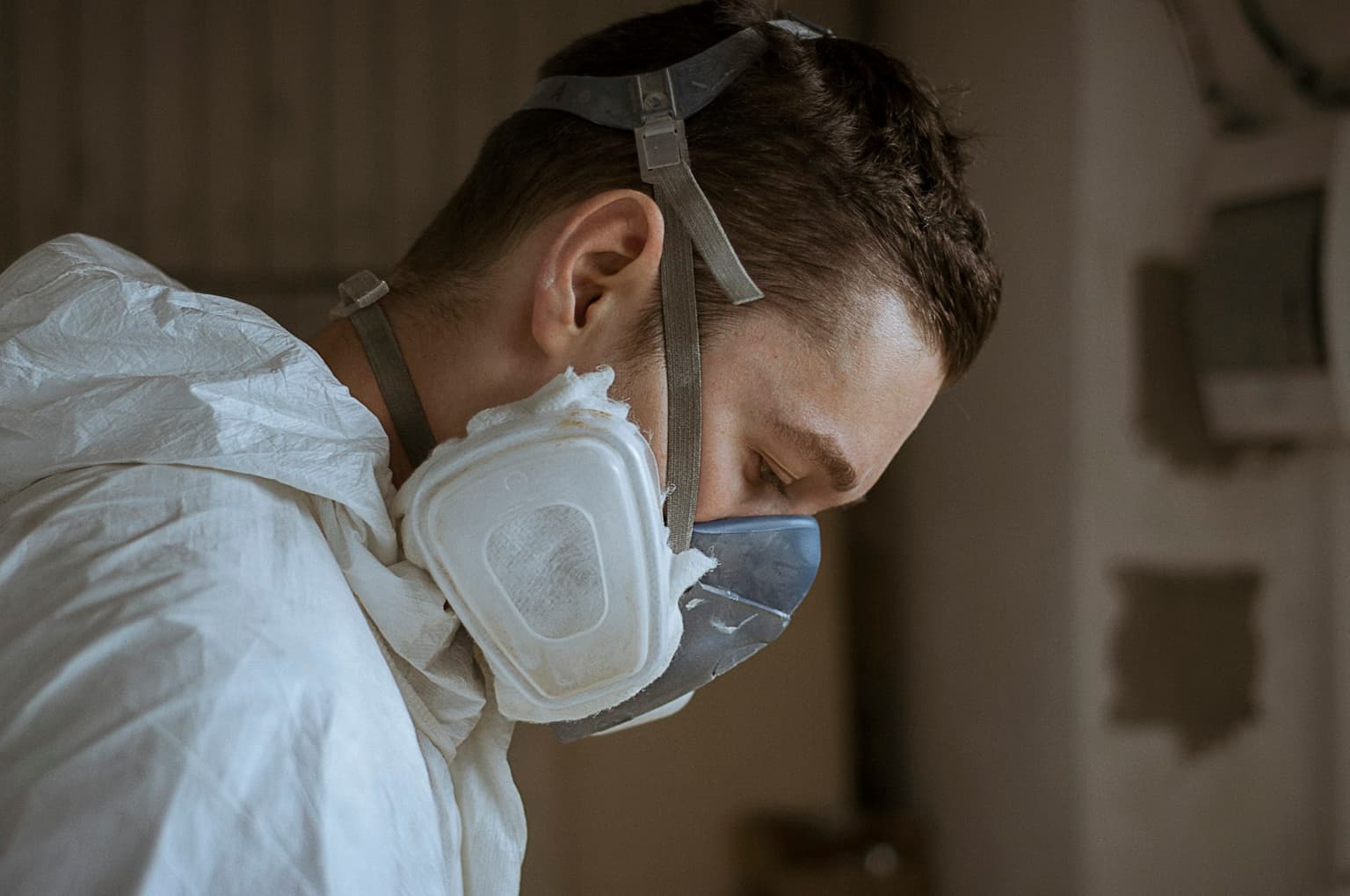
The first site plan identifies the affected rooms, travel paths, doors, washrooms, floor drains, ceiling openings, shared mechanical systems, and adjacent occupancies. Barriers, controlled entry, personal protective equipment, debris routes, and equipment placement are selected for the actual layout. An office suite, restaurant, warehouse, retail unit, condo common area, and multi-tenant building each create different access and operating constraints. The property operator decides what may remain in use with advice from the relevant health, safety, building, and insurance professionals; cleanup work should not be used to make an unsupported occupancy promise.
Confirm the source before treating every dark puddle the same
A blocked private drain, overwhelmed municipal sewer, failed ejector pump, overflowing fixture, damaged line, grease blockage, and contaminated water migrating from another unit can look similar after spreading across a floor. We record the observed entry points, timeline, odour, visible debris, affected fixtures, and information provided by the building team or plumber. Toronto asks property owners to report blocked sewer service lines and basement flooding through 311 so Toronto Water can investigate the City-side infrastructure and create an inspection record. Source correction remains separate from the restoration scope unless the appropriate trade is included.
Remove contamination before setting a drying target
Pumping out standing water is only the beginning. The work area must be cleared of sewage, residual soil, and materials that cannot be cleaned and retained responsibly. Carpet, underpad, fibreboard, insulation, drywall, ceiling tile, stored goods, and other porous materials are evaluated by contact, condition, construction, and the approved remediation plan. Hard surfaces may be candidates for cleaning and disinfection after gross contamination is removed. Health Canada warns that sewage-contaminated water presents a significant infection risk and may require more thorough disinfection and greater precautions than relatively clean floodwater.
Track contents, stock, and tenant property before disposal
Commercial losses can involve merchandise, food, documents, tools, electronics, tenant possessions, furniture, and building-owned equipment in the same room. When access is safe, we photograph and identify affected items before relocation or disposal so the property contact and insurer can make informed decisions. Food, pharmaceuticals, electrical equipment, confidential records, and specialized inventory may require direction from the owner, manufacturer, insurer, public-health authority, or another qualified specialist. A clear contents record prevents unidentified property from being mixed together as the floor is cleared.
Dry the cleaned structure by measurement, not by appearance
After contaminated material is removed and retained surfaces are cleaned, the drying plan considers concrete, wood framing, wall and floor assemblies, remaining finishes, temperature, humidity, air movement, power, condensate routing, security, and HVAC interaction. Initial moisture readings define the working boundary and comparison points. Follow-up readings show whether exposed materials are moving toward the agreed dry condition and whether equipment or access needs to change. Drying does not replace contamination removal, and a surface that looks dry is not enough evidence to close a concealed assembly.
Build the communication record around the people using it
A commercial file may involve the owner, property manager, facility lead, tenants, insurer, adjuster, plumber, electrician, cleaning team, and reconstruction trades. We establish who can authorize emergency work, who receives progress updates, which areas are restricted, and how keys, alarms, elevators, loading, parking, and work hours are managed. Photos, affected-area notes, moisture readings, equipment records, contents decisions, disposal records where applicable, and changes to scope are organized so the next party can understand what happened without relying on a verbal handoff.
Reopen and rebuild by area, only after the prerequisites are met
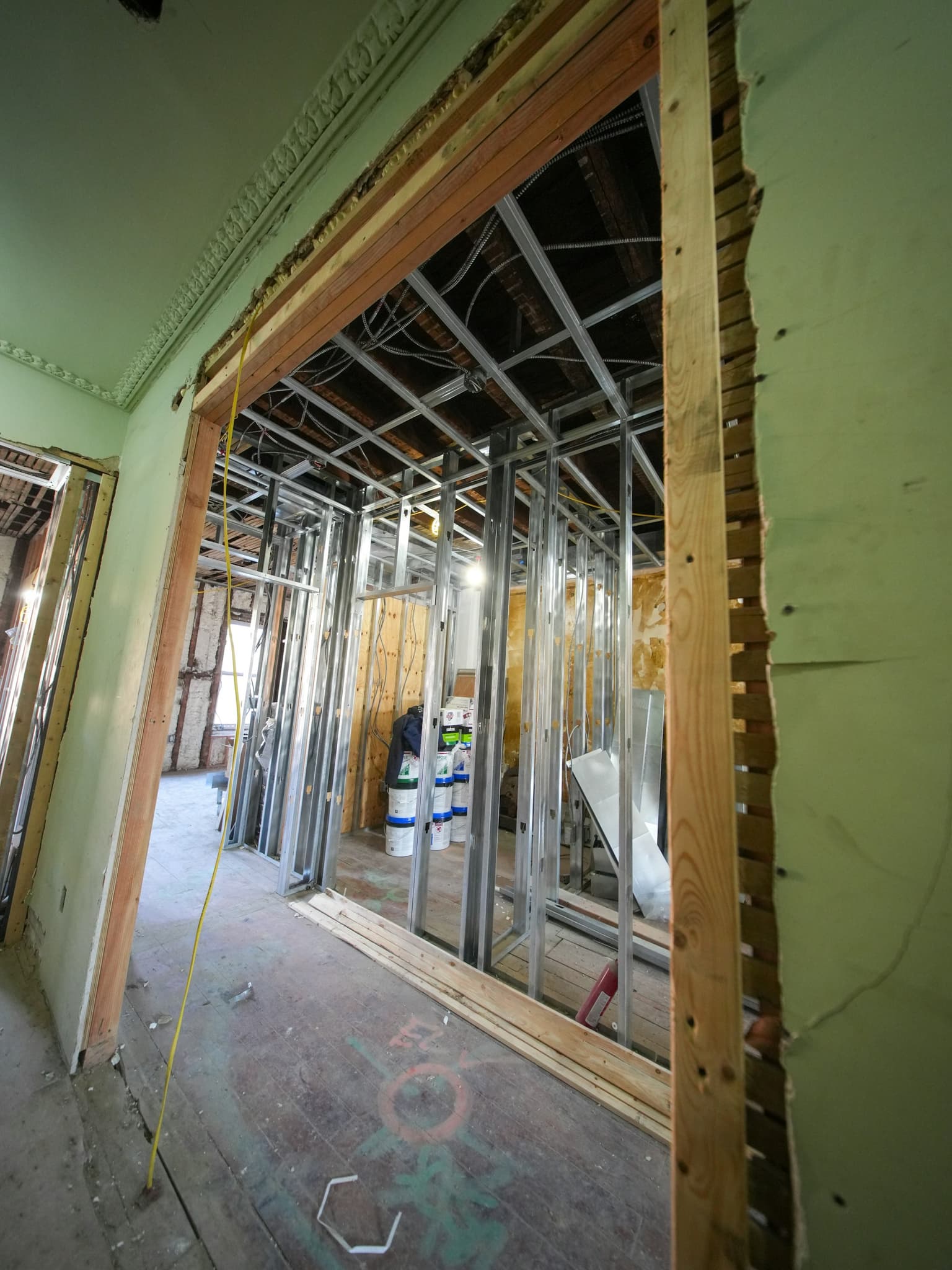
A property may be able to release one cleaned and unaffected zone while another remains under containment, drying, plumbing repair, or reconstruction. The sequence depends on contamination boundaries, utilities, egress, building systems, specialized occupancy requirements, and the decisions of the responsible property and regulatory parties. Once the affected area is ready for reconstruction and the source issue is addressed, we can restore approved drywall, insulation, ceilings, flooring, trim, millwork, and finishes. Closeout should identify completed work, unresolved limitations, and prevention items that belong with the building owner or the appropriate trade.
From our work
How these jobs usually go
Each summary combines details from many similar jobs we have done. They describe our real work, not one specific property, and leave out homeowner details for privacy.
Sewer backup in finished North York basements after a major Toronto flood
During a major Toronto flood, sewers backed up into finished basements across North York. Sewer water is contaminated, so anything porous it soaks is treated as unsalvageable.
- Extracted the standing water and removed the soaked flooring and drywall
- Cleaned and disinfected the exposed framing and concrete
- Checked framing and slab with moisture meters until they read dry
- Installed new drywall and flooring
Basements rebuilt with new walls and floors, documented for the insurance claim.
Sewage backup cleanupHeavily contaminated basement rebuilt as a new finished space
Where sewage sat longer or reached the furnace room, the damage went past the floor: walls, mechanical equipment and finishes were all affected.
- Removed contaminated flooring, walls and finishes
- Repaired or replaced affected HVAC components and ductwork
- Disinfected and dried the structure, confirmed with moisture readings
- Rebuilt the basement as a brand-new finished space
One crew handled the job from extraction through HVAC, walls, flooring and final finish.
Flooded basement cleanupBasement kitchen replaced after contaminated water
Cabinets, counters and lower finishes soak up contaminated water, and in some homes the flood reached a basement kitchen.
- Assessed how far the contamination reached before deciding what to keep
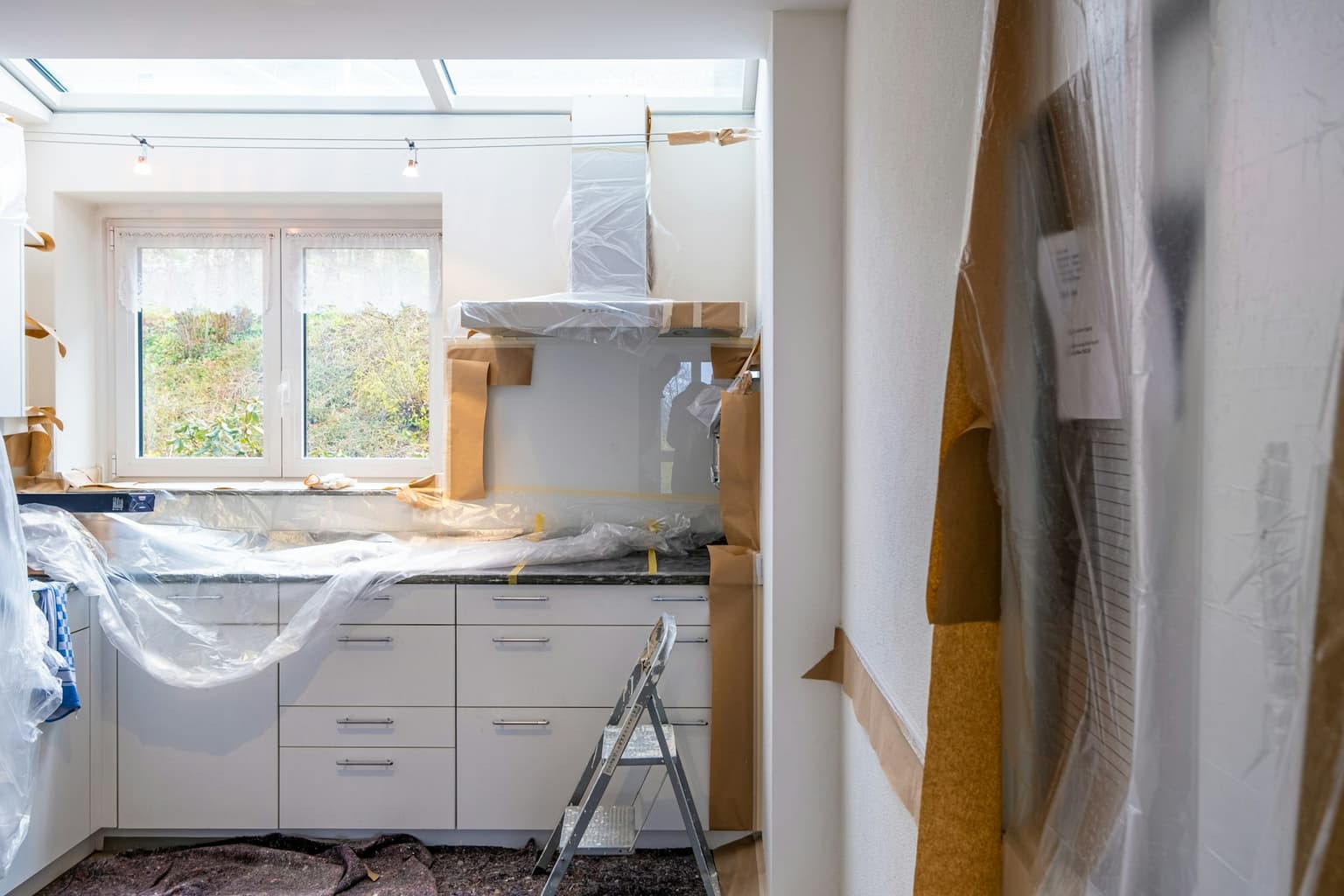
- Removed the affected cabinets, flooring and lower walls
- Dried and verified the structure with moisture meters
- Installed a new kitchen along with the walls and flooring
How much we replace depends on how contaminated the space is, not on a fixed package.
Reconstruction after a lossOfficial guidance used on this page
- City of Toronto: blocked or backed-up basement drain
- City of Toronto: basement flooding response and safety guidance
- Health Canada: flood cleanup and indoor air quality
- IICRC: ANSI/IICRC S500 water damage restoration standard overview
Coverage and safety requirements vary by property and policy. Confirm decisions with the relevant authority, licensed trade, and your insurance representative.