What's included
- 24/7 emergency dispatch
- Window & door board-up
- Roof tarping & temporary cover
- Fire and impact openings
- Weather-resistant fastening
- Pre-work damage photographs
- Debris and access coordination
- Permanent repairs & rebuild
Secure the property only after emergency authorities release it
After a fire, vehicle impact, structural failure, or police incident, the first instruction comes from fire, police, utilities, or building officials at the scene. We do not enter an unsafe or unreleased structure. Once access is permitted, we identify openings, unstable debris, exposed services, and paths that allow rain or unauthorized entry. The first scope is temporary protection—not cosmetic repair. If a wall or roof may be structurally compromised, we coordinate the appropriate structural and trade assessment before fastening anything that could shift the load or hide a dangerous condition.
Board-up that protects without creating new damage
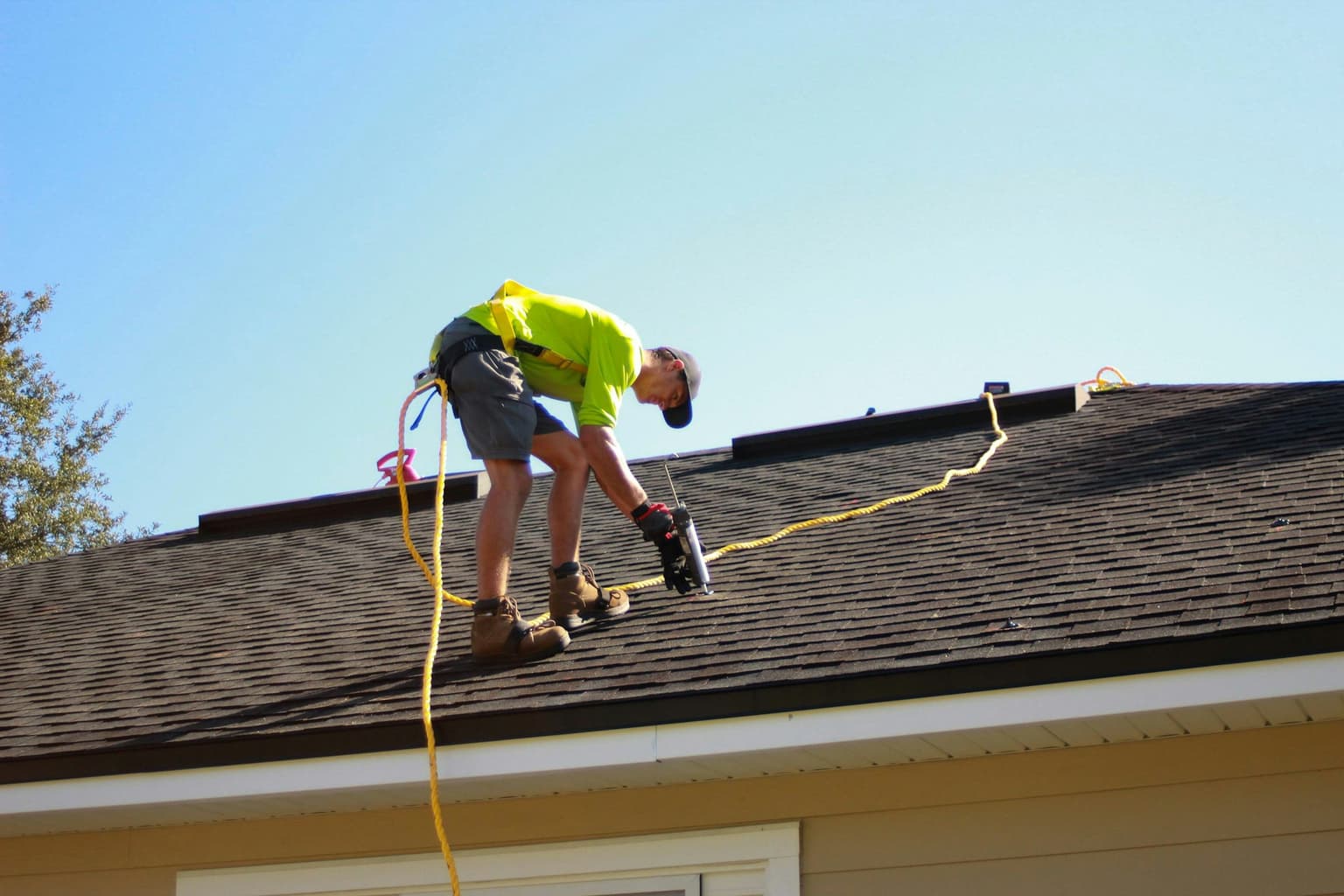
A rushed sheet of plywood screwed through finished frames can turn a broken window into a larger replacement. We size panels to the opening, choose fastening points that suit the remaining structure, brace doors where required, and protect accessible edges. For roof or wall breaches, weather resistance matters as much as security: water must be directed away rather than trapped behind a temporary cover. The method changes for masonry, storefront glazing, residential windows, garage doors, and fire-opened roof assemblies. We document the installation so the next repair crew knows what was touched.
Fire board-up includes the less obvious openings
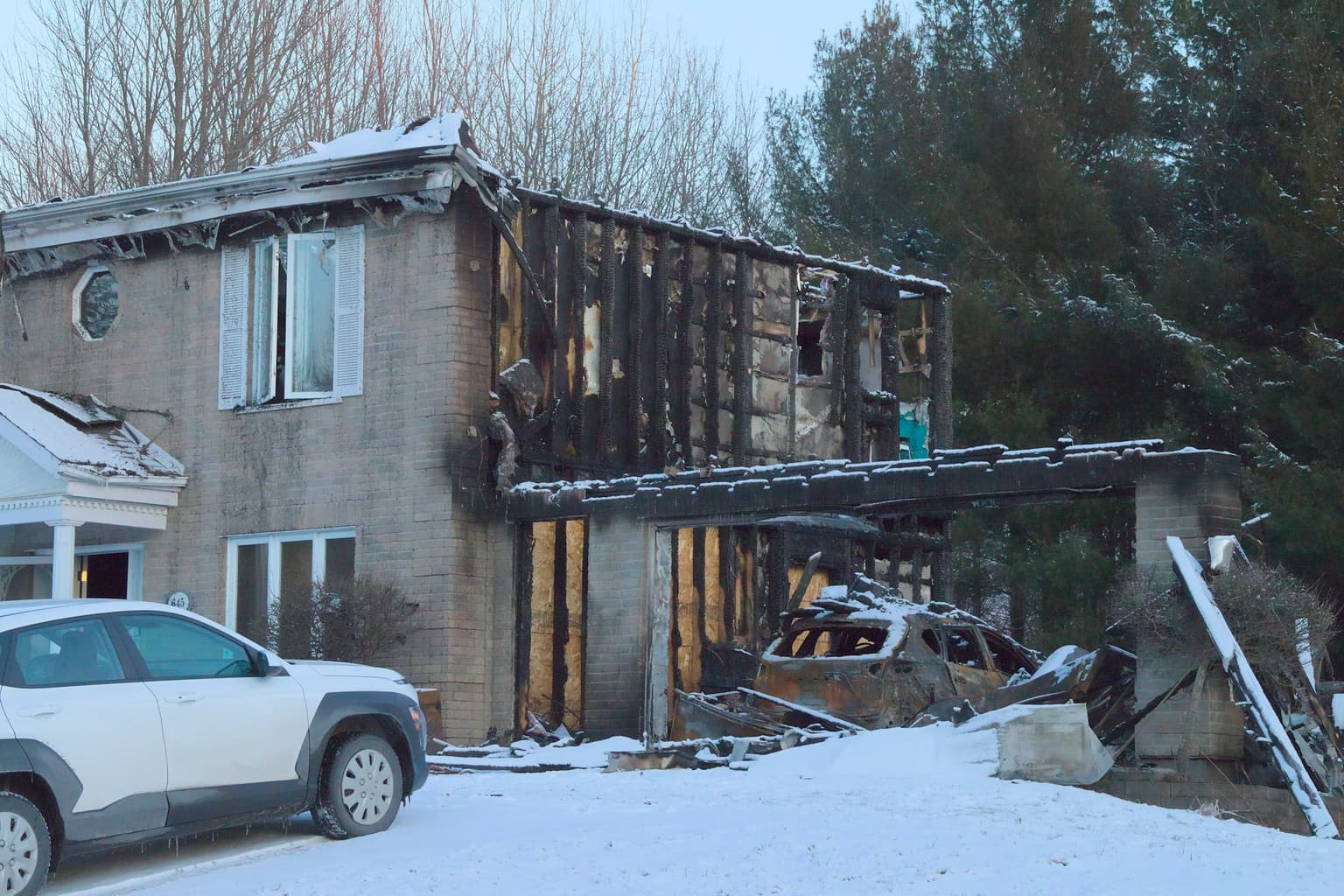
Firefighting can leave more than broken windows. Ventilation cuts, compromised soffits, damaged roof decking, forced doors, and hose access points all require attention before the property is left overnight. Water lines may need to be drained if heat will remain off, and utilities may need professional inspection before reconnection. We work from the exterior inward, protect salvageable contents from incoming weather where safe, and identify immediate water extraction or smoke-control needs. Toronto Fire Services advises owners of fire-damaged homes to secure broken openings and cover holes once re-entry is authorized.
Storm and tree damage need tarping plus water control
A roof tarp stops new rain only if the water already inside is also addressed. We photograph the entry point, protect the exterior opening, inspect ceilings and wall cavities below, extract standing water, and set drying equipment when materials are wet. Fallen-tree work may require arborists, utility crews, and structural professionals before restoration crews can approach. We sequence those parties rather than pulling branches from a roof blindly. Permanent roofing, sheathing, framing, insulation, drywall, and finish repairs can then proceed under one coordinated scope.
Temporary protection becomes a permanent recovery plan
Board-up is not the finish line. After the emergency, we inventory damaged windows, doors, roofing, cladding, framing, insulation, interior finishes, and contents; separate immediate stabilization from permanent repair; and prepare the next-stage scope. Photographs show the opening before and after protection, while receipts and work records support discussions with the insurer. We can continue through smoke cleaning, water drying, demolition, structural repair, and reconstruction, which removes the delay and information loss that occurs when the emergency company disappears after installing plywood.
Homes, storefronts, and vacant buildings need different plans
Residential board-up usually balances security, weather protection, neighbour safety, and access for the family or adjuster. A storefront may need stronger overnight protection, coordination with a glazier, safe pedestrian clearance, and a plan to reopen part of the business. Vacant or fire-damaged buildings can require repeated inspections, temporary lighting, fencing, lock changes, or renewed weather protection after wind. We record who has authorized access and explain the limits of temporary materials. If the property will remain unoccupied, we help identify the additional monitoring, utility, and insurer requirements the owner should confirm rather than treating one night of board-up as permanent security.
From our work
How these jobs usually go
Each summary combines details from many similar jobs we have done. They describe our real work, not one specific property, and leave out homeowner details for privacy.
Kitchen fire: secured, cleaned and rebuilt
Kitchen fires usually start at the stove, but soot and smoke spread well past the burned area, and a broken window or door often leaves the house open.
- Boarded up the openings the same night
- Removed soot and smoke residue before it set into surfaces
- Treated the smoke odour at its source
- Rebuilt the kitchen
The home was secured on day one and the kitchen rebuilt under the same file.
Fire damage restorationBelongings packed out after a fire
Belongings that look ruined can often be cleaned, but they cannot stay in a smoky, wet house while repairs happen.
- Packed out the salvageable belongings
- Cleaned and stored them during the repairs
- Listed the items that could not be saved for the insurance claim
The homeowner keeps what can be saved, and the insurer gets a clear list of what could not.
Contents restorationDrying out after the fire department leaves
Putting out a fire soaks walls, floors and the rooms below. That water needs the same drying as any other flood.
- Extracted standing water and removed soaked materials that could not be dried
- Set drying equipment in the affected rooms
- Tracked the drying with moisture meters until materials read dry
The structure was dry and verified before smoke cleanup and repairs closed anything up.
Structural dryingLarger fire: demolition through finished rooms
Bigger fires leave structural damage that goes past cleaning.
- Demolished fire-damaged materials and removed the debris
- Re-framed where the structure needed it
- Rebuilt to finished rooms: insulation, drywall, flooring and paint
One crew handled the job from demolition to finished rooms.
Reconstruction after a lossWhat the damage and a finished repair can look like
Example photos of different properties, not a documented before-and-after of one job.

Drag to compare
Official guidance used on this page
Coverage and safety requirements vary by property and policy. Confirm decisions with the relevant authority, licensed trade, and your insurance representative.

