What's included
- 24/7 leak-damage response
- Moisture & thermal inspection
- Ceiling cavity assessment
- Controlled water release
- Insulation removal & replacement
- Structural drying verification
- Drywall, texture & paint repair
- Insurance-ready documentation
First, treat a bulging ceiling as a safety problem
A sagging or ballooned ceiling may be holding litres of water and softened drywall can release without warning. Keep people and pets out from underneath it. If water is close to a light fixture, smoke alarm, ceiling fan, outlet, or electrical panel, do not touch the fixture or step into the wet area; call for electrical guidance and emergency help. We assess the safest release point, protect the room below, drain trapped water in a controlled way, and remove unstable material before it falls across furniture or flooring.
Find the source before repairing the stain
Upstairs bathrooms, refrigerator supply lines, roof penetrations, flat-roof drains, plumbing stacks, and heating lines can all create the same brown ceiling mark. The position of the stain alone is not enough because water travels. We combine visual inspection, moisture readings, thermal patterns, and access from the floor above or attic to narrow the path. A licensed plumber or roofer handles the source repair when required. Only after the cause is controlled do we define the drying and rebuild scope; painting a stain before that point merely hides the next failure.
Drying the cavity is the part you cannot see
The finished ceiling may feel dry while insulation, the top of the drywall, wood joists, and wall plates remain wet. We map those materials, remove saturated or contaminated insulation, open limited drying access where appropriate, and position air movement and dehumidification for the actual cavity. Readings are compared with unaffected reference materials until the assembly reaches an acceptable dry standard. Closing a cavity early traps moisture, encourages odour and microbial growth, and turns a contained repair into a larger problem weeks later.
Repair the whole visual plane, not just the hole
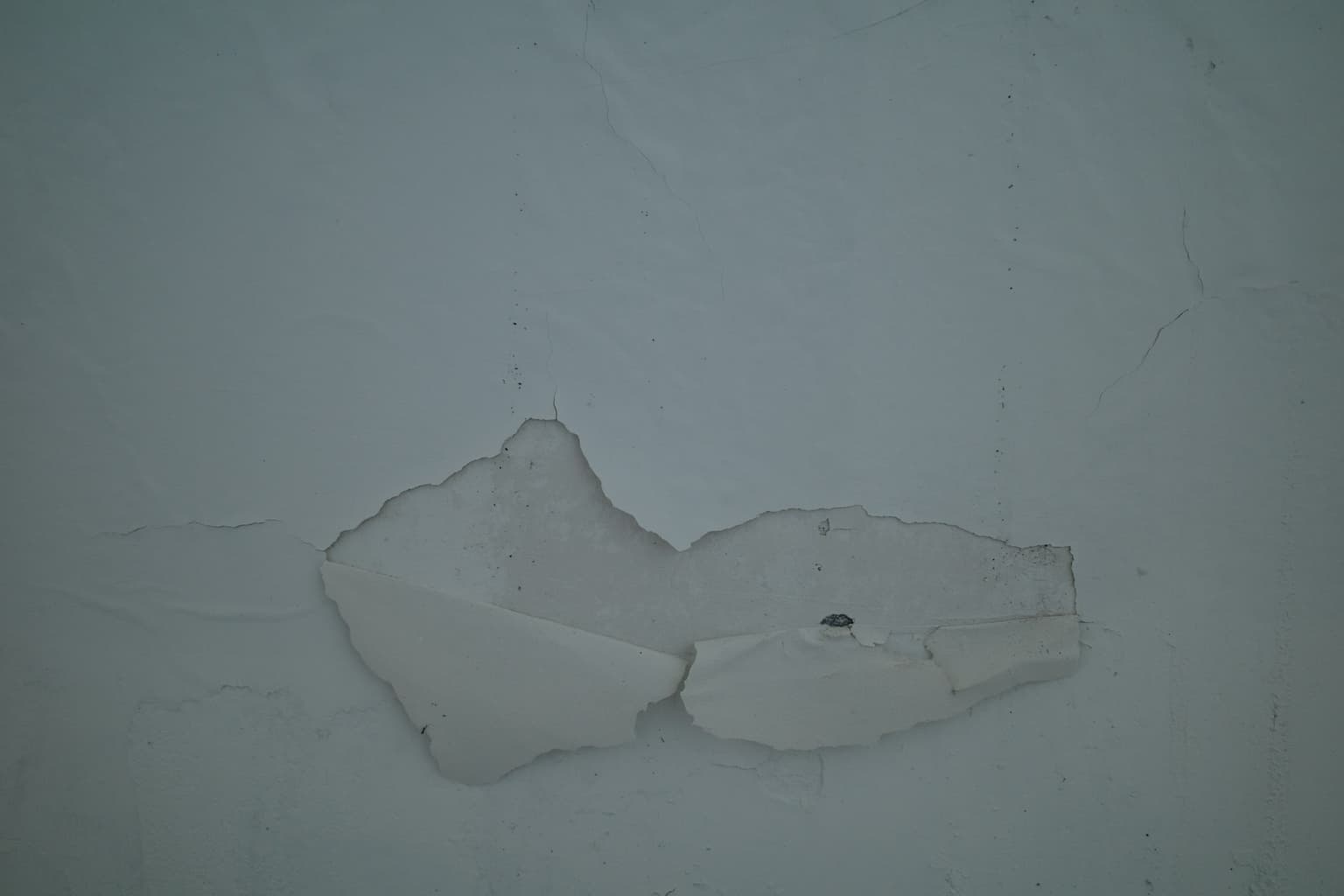
Technically sound patches can still look terrible when texture, sheen, or daylight exposes the repair. Our reconstruction scope includes insulation and vapour barrier where needed, drywall fastening, taping, multiple finish coats, texture matching where practical, stain-blocking primer, and paint blended across a logical boundary. Crown moulding, recessed lights, access panels, and adjacent wall transitions are noted before work starts. The goal is not a dry patch that announces itself; it is a ceiling that reads as one continuous surface again.
Documentation for condo and insurance losses
A ceiling leak in a Toronto condo may involve the unit above, a common plumbing stack, the corporation, and two insurers. We photograph the initial condition, moisture spread, opened cavity, suspected source location, removed materials, drying setup, and completed repair. The property manager or plumber still determines responsibility for the failed component, but a clear restoration record helps each party understand where the water travelled and what was required inside your unit. For houses, the same record supports roof, plumbing, or appliance-related claims without overstating what caused the leak.
What changes the ceiling repair scope
The visible square footage is only one factor. Scope changes with the water source, ceiling height, access, insulation type, plaster versus drywall, texture, lighting, cabinetry below, asbestos risk in older assemblies, and whether the room can remain occupied during drying. A small clean-water opening caught the same day is very different from a week-old roof leak above blown insulation. We inspect before pricing permanent repairs, explain which work is emergency mitigation and which is reconstruction, and identify testing or licensed trades that may be needed. That produces a useful written estimate instead of a low patch price that grows after demolition starts.
From our work
How these jobs usually go
Each summary combines details from many similar jobs we have done. They describe our real work, not one specific property, and leave out homeowner details for privacy.
Sewer backup in finished North York basements after a major Toronto flood
During a major Toronto flood, sewers backed up into finished basements across North York. Sewer water is contaminated, so anything porous it soaks is treated as unsalvageable.
- Extracted the standing water and removed the soaked flooring and drywall
- Cleaned and disinfected the exposed framing and concrete
- Checked framing and slab with moisture meters until they read dry
- Installed new drywall and flooring
Basements rebuilt with new walls and floors, documented for the insurance claim.
Sewage backup cleanupHeavily contaminated basement rebuilt as a new finished space
Where sewage sat longer or reached the furnace room, the damage went past the floor: walls, mechanical equipment and finishes were all affected.
- Removed contaminated flooring, walls and finishes
- Repaired or replaced affected HVAC components and ductwork
- Disinfected and dried the structure, confirmed with moisture readings
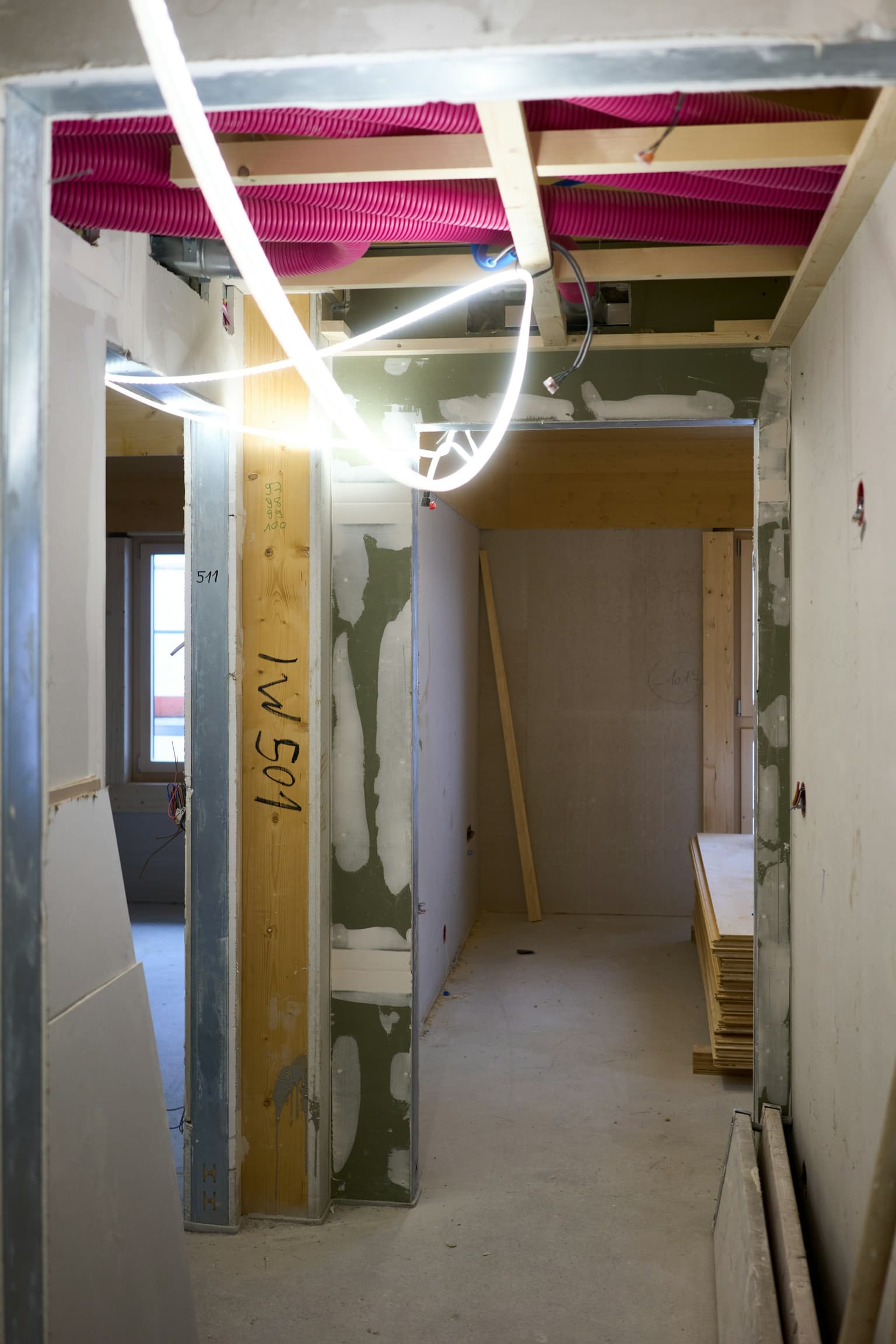
- Rebuilt the basement as a brand-new finished space
One crew handled the job from extraction through HVAC, walls, flooring and final finish.
Flooded basement cleanupBasement kitchen replaced after contaminated water
Cabinets, counters and lower finishes soak up contaminated water, and in some homes the flood reached a basement kitchen.
- Assessed how far the contamination reached before deciding what to keep
- Removed the affected cabinets, flooring and lower walls
- Dried and verified the structure with moisture meters
- Installed a new kitchen along with the walls and flooring
How much we replace depends on how contaminated the space is, not on a fixed package.
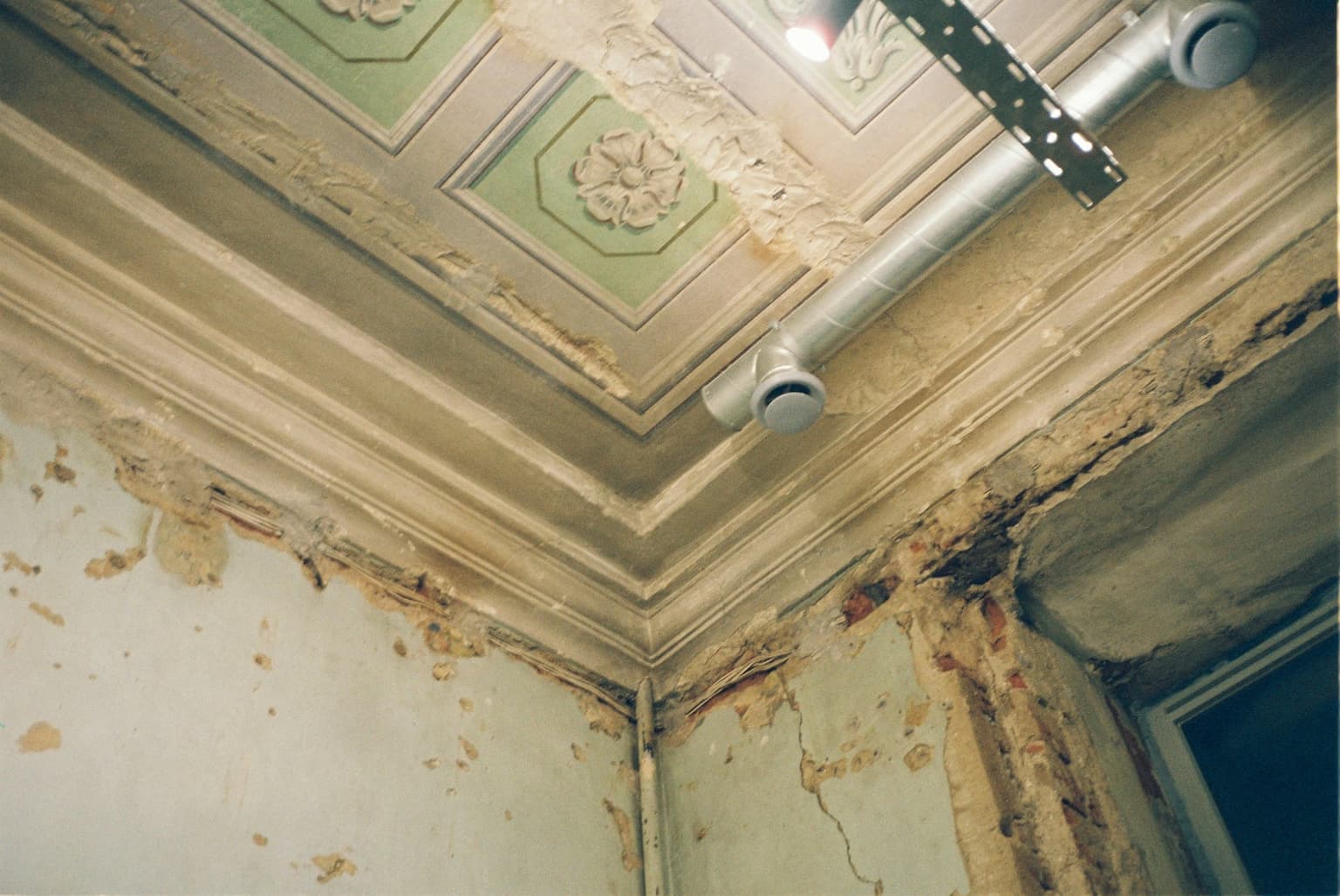
Reconstruction after a lossWhat the damage and a finished repair can look like
Example photos of different properties, not a documented before-and-after of one job.

Drag to compare
Official guidance used on this page
- City of Toronto: electrical and water safety during basement flooding
- Electrical Safety Authority: hiring a licensed electrical contractor
Coverage and safety requirements vary by property and policy. Confirm decisions with the relevant authority, licensed trade, and your insurance representative.