What's included
- Emergency extraction & containment
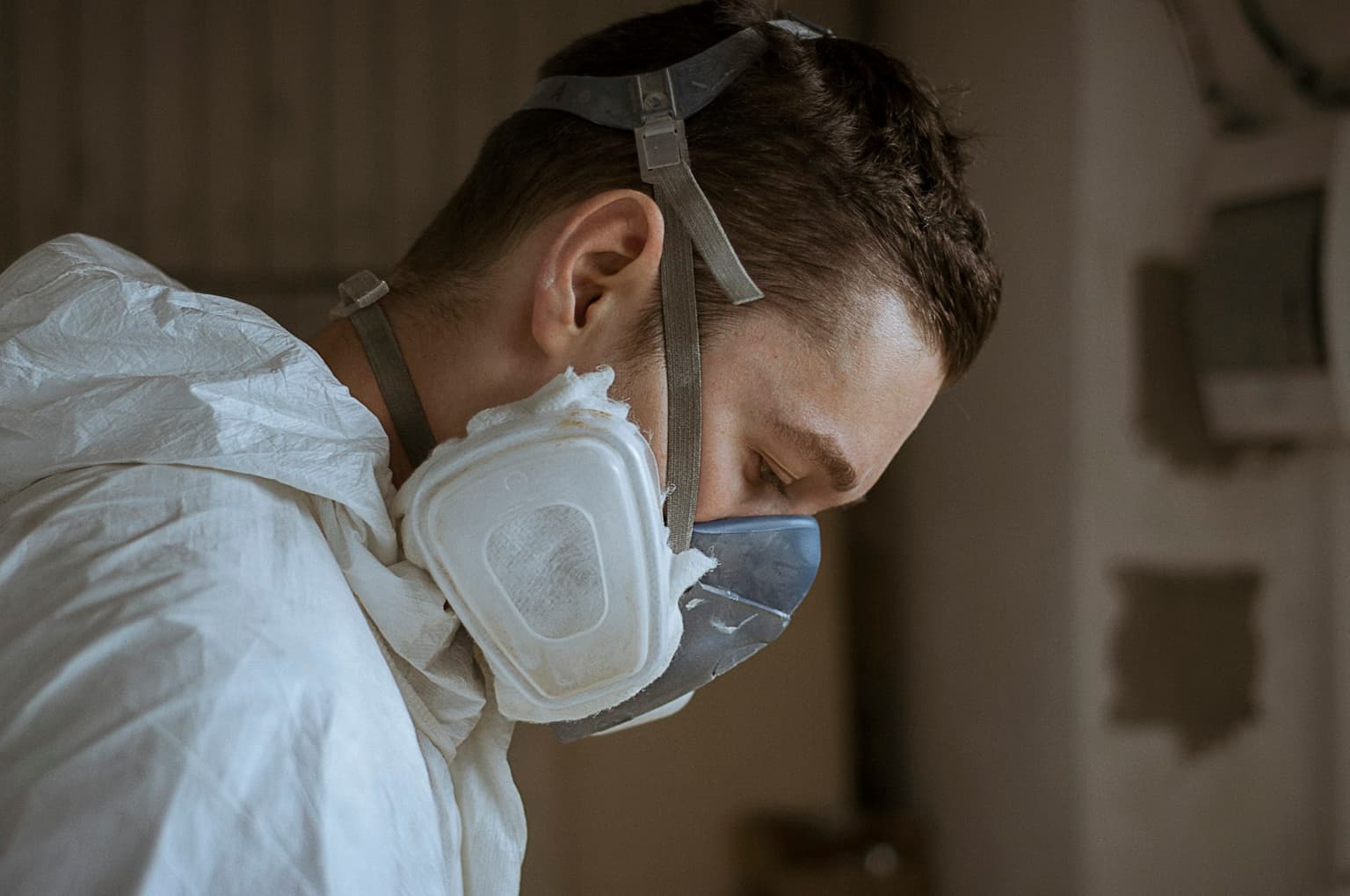
- Full PPE, trained technicians
- Removal of contaminated materials
- Hospital-grade disinfection
- Licensed waste disposal
- Air scrubbing & odour treatment
- Backwater valve guidance
- Complete rebuild of the space
Why this is not a shop-vac job
Sewage exposure causes real illness, and the risk does not end when the water looks gone — contamination stays in carpet, drywall, and concrete pores. The protocol is strict for a reason: contain the area, extract, remove porous materials to a set margin beyond the visible line, clean and disinfect what remains, and verify before rebuild. Skipping steps leaves a biohazard sealed inside a finished wall.
What has to go, and what can stay
Carpet, underpad, upholstered furniture, particleboard, and drywall that contacted sewage are removed and disposed of through licensed channels — we document every item for your contents claim. Hard non-porous surfaces like concrete, metal, and solid wood can usually be cleaned, disinfected, and kept. We are honest about the line, in both directions.
The valve that prevents the sequel
Most sewage backups in the GTA happen when heavy rain overwhelms combined sewers and the flow reverses into basements. A backwater valve is a one-way gate on your sewer line that physically blocks that reversal — Toronto and most surrounding municipalities subsidize the installation. After cleanup, we connect you with licensed plumbers who do this work daily.
Insurance, straight
Sewer backup coverage is an optional rider in Ontario, and payout limits vary widely. If you have the coverage, we bill the insurer directly and document the loss to their standard. If you do not, we scope the work honestly, prioritize what protects your health, and give you a fixed written price before anything starts.
From our work
How these jobs usually go
Each summary combines details from many similar jobs we have done. They describe our real work, not one specific property, and leave out homeowner details for privacy.
Sewer backup in finished North York basements after a major Toronto flood
During a major Toronto flood, sewers backed up into finished basements across North York. Sewer water is contaminated, so anything porous it soaks is treated as unsalvageable.
- Extracted the standing water and removed the soaked flooring and drywall
- Cleaned and disinfected the exposed framing and concrete
- Checked framing and slab with moisture meters until they read dry
- Installed new drywall and flooring
Basements rebuilt with new walls and floors, documented for the insurance claim.
Heavily contaminated basement rebuilt as a new finished space
Where sewage sat longer or reached the furnace room, the damage went past the floor: walls, mechanical equipment and finishes were all affected.
- Removed contaminated flooring, walls and finishes
- Repaired or replaced affected HVAC components and ductwork
- Disinfected and dried the structure, confirmed with moisture readings
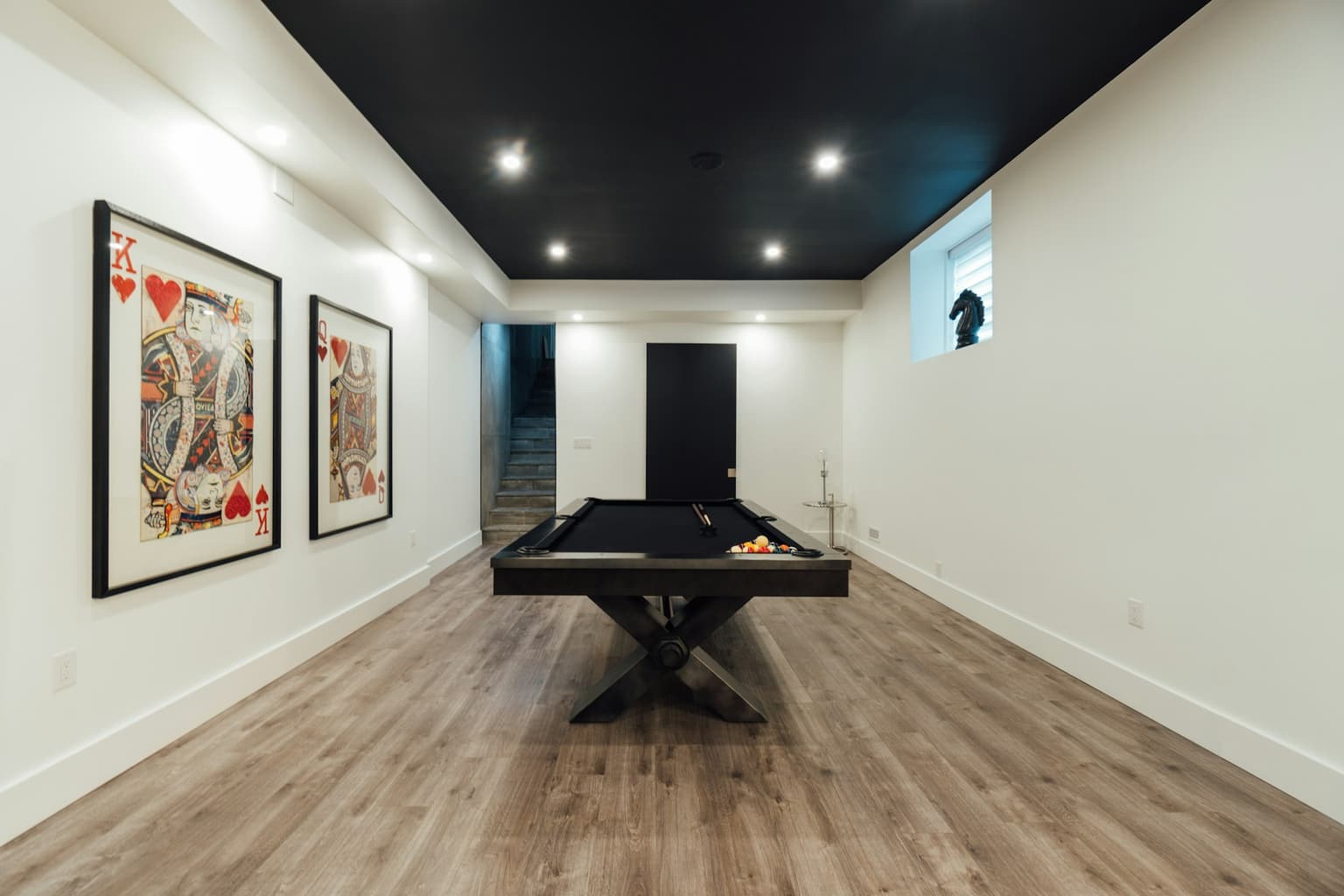
- Rebuilt the basement as a brand-new finished space
One crew handled the job from extraction through HVAC, walls, flooring and final finish.
Flooded basement cleanupBasement kitchen replaced after contaminated water
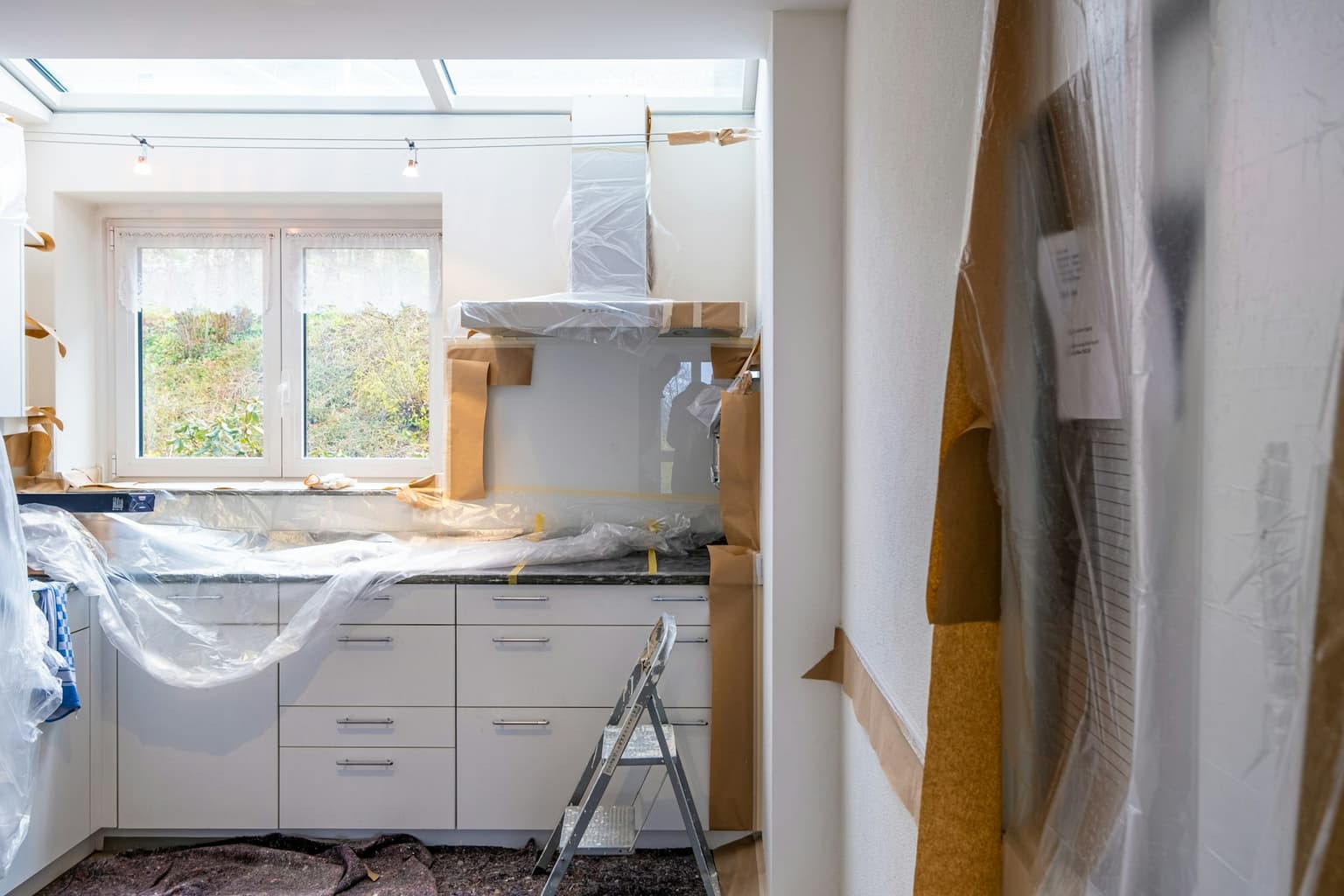
Cabinets, counters and lower finishes soak up contaminated water, and in some homes the flood reached a basement kitchen.
- Assessed how far the contamination reached before deciding what to keep
- Removed the affected cabinets, flooring and lower walls
- Dried and verified the structure with moisture meters
- Installed a new kitchen along with the walls and flooring
How much we replace depends on how contaminated the space is, not on a fixed package.
Reconstruction after a loss