Clear answers for the part of property damage nobody plans for.
Written and reviewed by the Emergency Restoration team. We explain the work, the records worth keeping, and the point where a property owner should stop and call the appropriate emergency service, insurer, trade, or municipal authority.
10 min read · Updated 2026-09-23
Condo Water Damage in Toronto: Who Handles What?
A condo leak can involve the source unit, a suite below, common elements, two insurance files, and a restoration crew. Here is how to stabilize the loss and organize the record before anyone guesses who owes what.
Toronto Basement Flooding Subsidy: What Changed in 2026
The City expanded the program on May 1, 2026. Here is what the subsidy can cover, which paperwork matters, and why an active basement flood still needs to be handled before prevention work begins.
What Water Damage Restoration Costs in Toronto Actually Depends On
A square-foot price cannot tell you whether the water is clean, what is wet behind the finish, or how long the structure will take to dry. These are the line items that change a restoration estimate.
How Long Structural Drying Takes—and How You Know It Is Done
The honest answer is usually “several days, confirmed by readings.” Here is why some assemblies dry quickly, others stall, and a dry-looking wall may not be ready to close.
Water Damage in Toronto: What to Do in the First 24 Hours
The first day is not about rebuilding. It is about keeping people safe, stopping more water, documenting what happened, and beginning controlled removal and drying.
Sewage Backup in Toronto: First Steps for a Safer Cleanup
Stop using drains, keep people away from contaminated water, report the backup to 311, and separate the plumbing investigation from the cleanup and drying work.
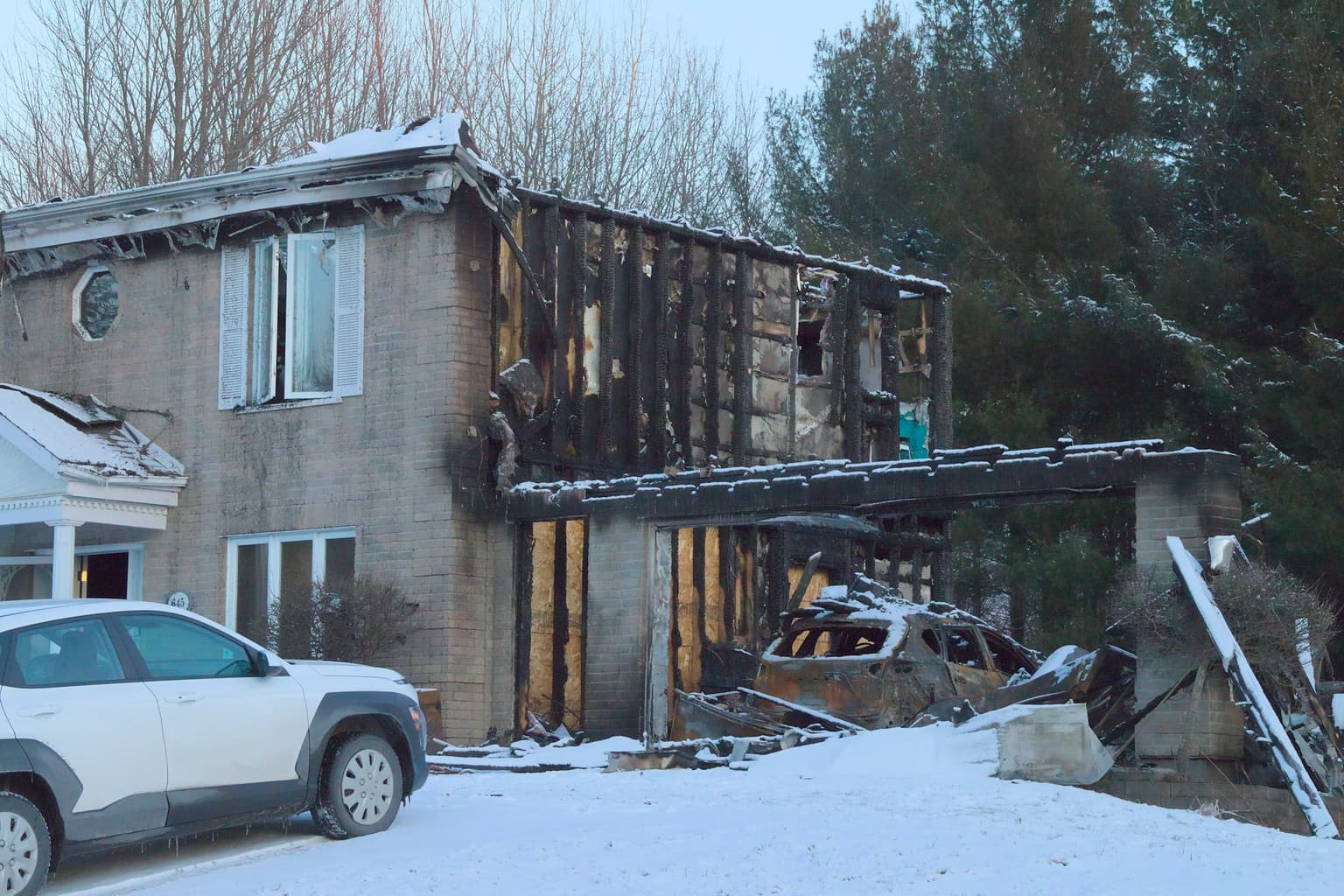
After a House Fire in Toronto: The First Calls and Cleanup Decisions
Stay out until fire officials allow entry, arrange a safe place to stay, contact the insurer, and secure the building only after it is released. Cleanup begins with documentation and a clear scope—not a quick wipe of visible soot.
Mould After Water Damage: What to Dry, Remove, and Investigate
A wall can look dry while the cavity, insulation, or bottom plate is still wet. Start with the water source and moisture boundary, then decide what can be dried, what must be removed, and whether the scope needs professional assessment.
Each summary combines details from many similar jobs we have done. They describe our real work, not one specific property, and leave out homeowner details for privacy.
Sewer backup in finished North York basements after a major Toronto flood
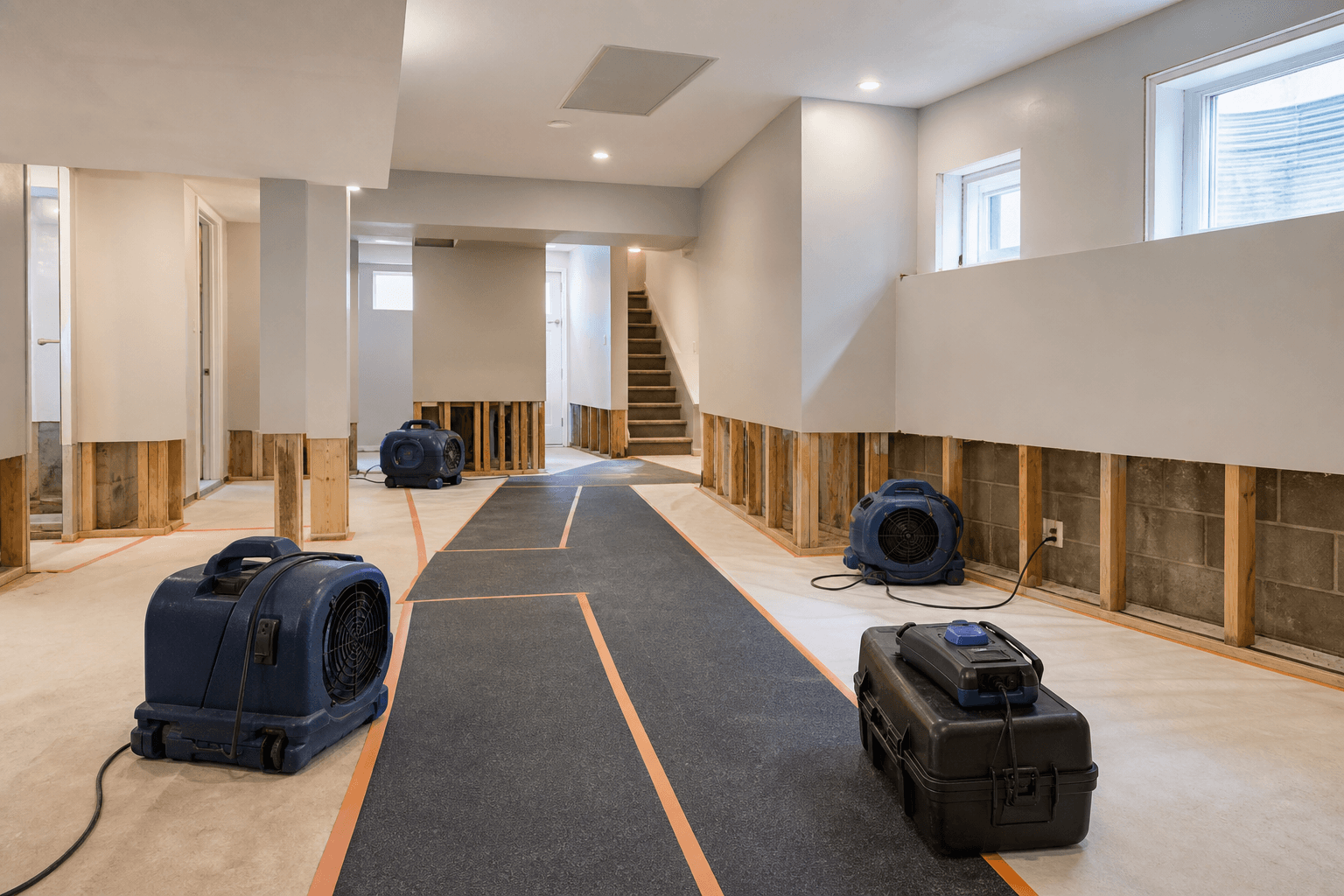
During a major Toronto flood, sewers backed up into finished basements across North York. Sewer water is contaminated, so anything porous it soaks is treated as unsalvageable.
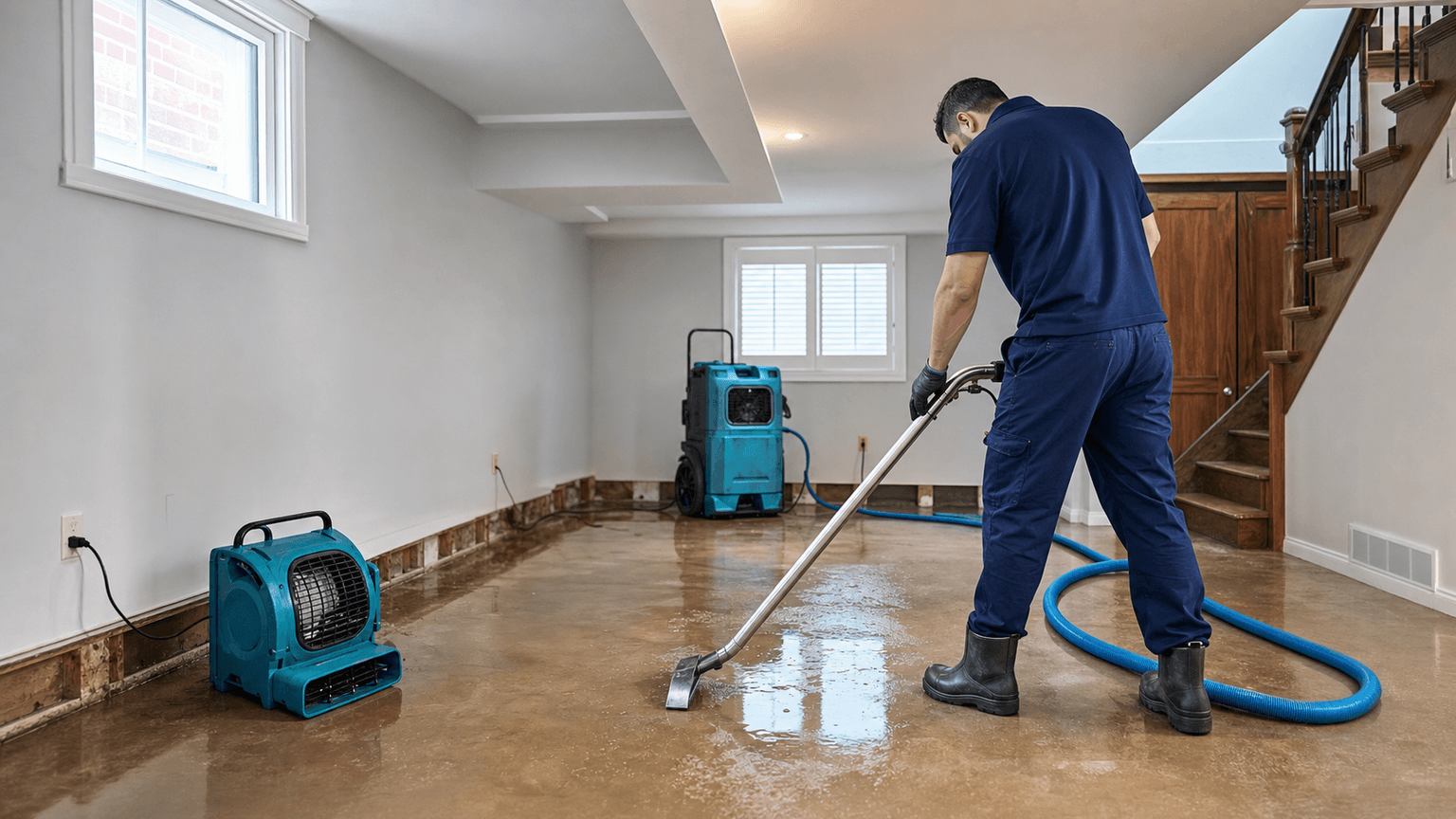
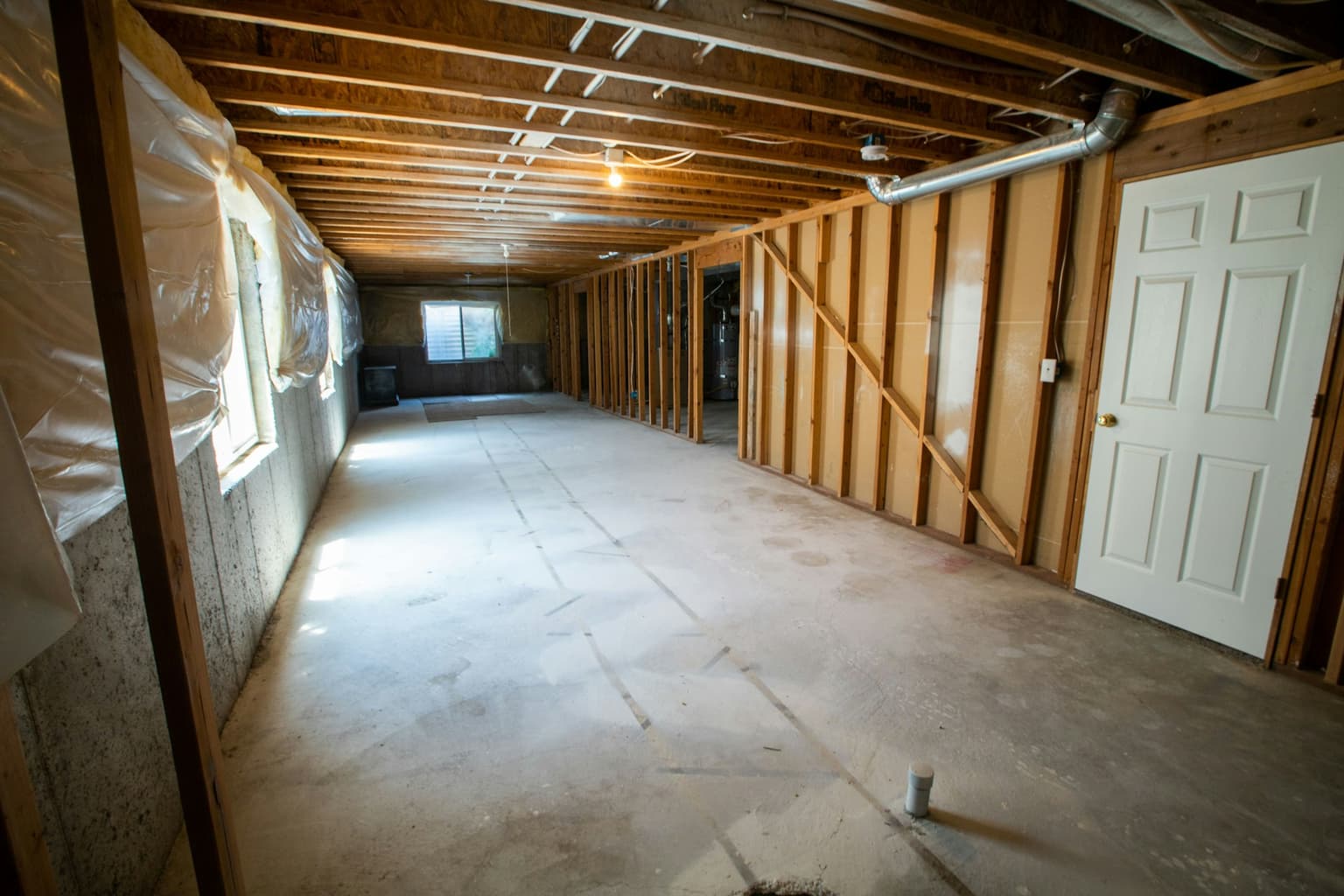
•Extracted the standing water and removed the soaked flooring and drywall
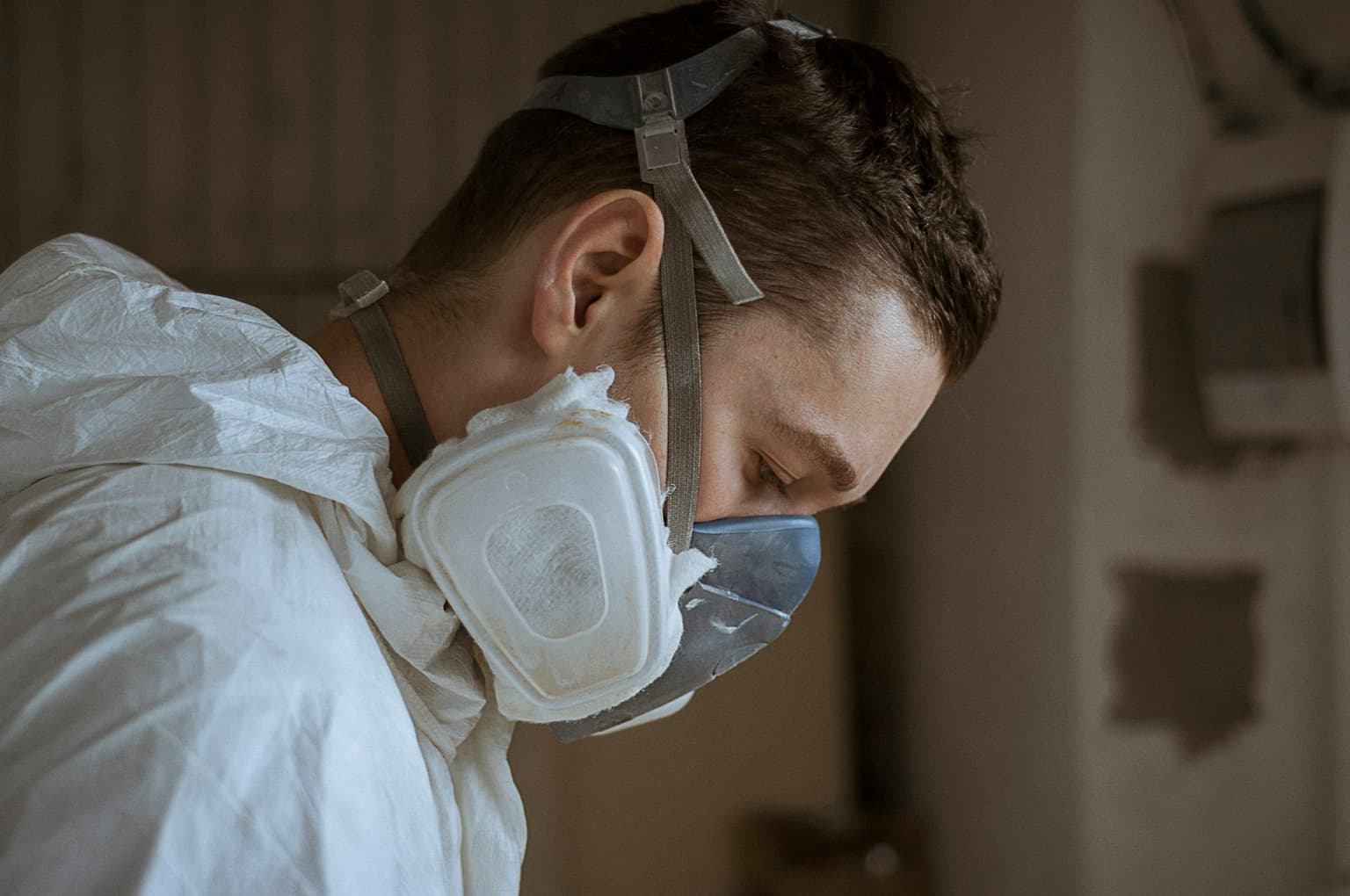
•Cleaned and disinfected the exposed framing and concrete
•Checked framing and slab with moisture meters until they read dry
•Installed new drywall and flooring
Basements rebuilt with new walls and floors, documented for the insurance claim.