After a House Fire in Toronto: The First Calls and Cleanup Decisions
Stay out until fire officials allow entry, arrange a safe place to stay, contact the insurer, and secure the building only after it is released. Cleanup begins with documentation and a clear scope—not a quick wipe of visible soot.
Written and operationally reviewed by the Emergency Restoration team.
Published 2026-08-15 · Updated 2026-08-15 · 11 min read
01
Stay out until Toronto Fire Services permits entry
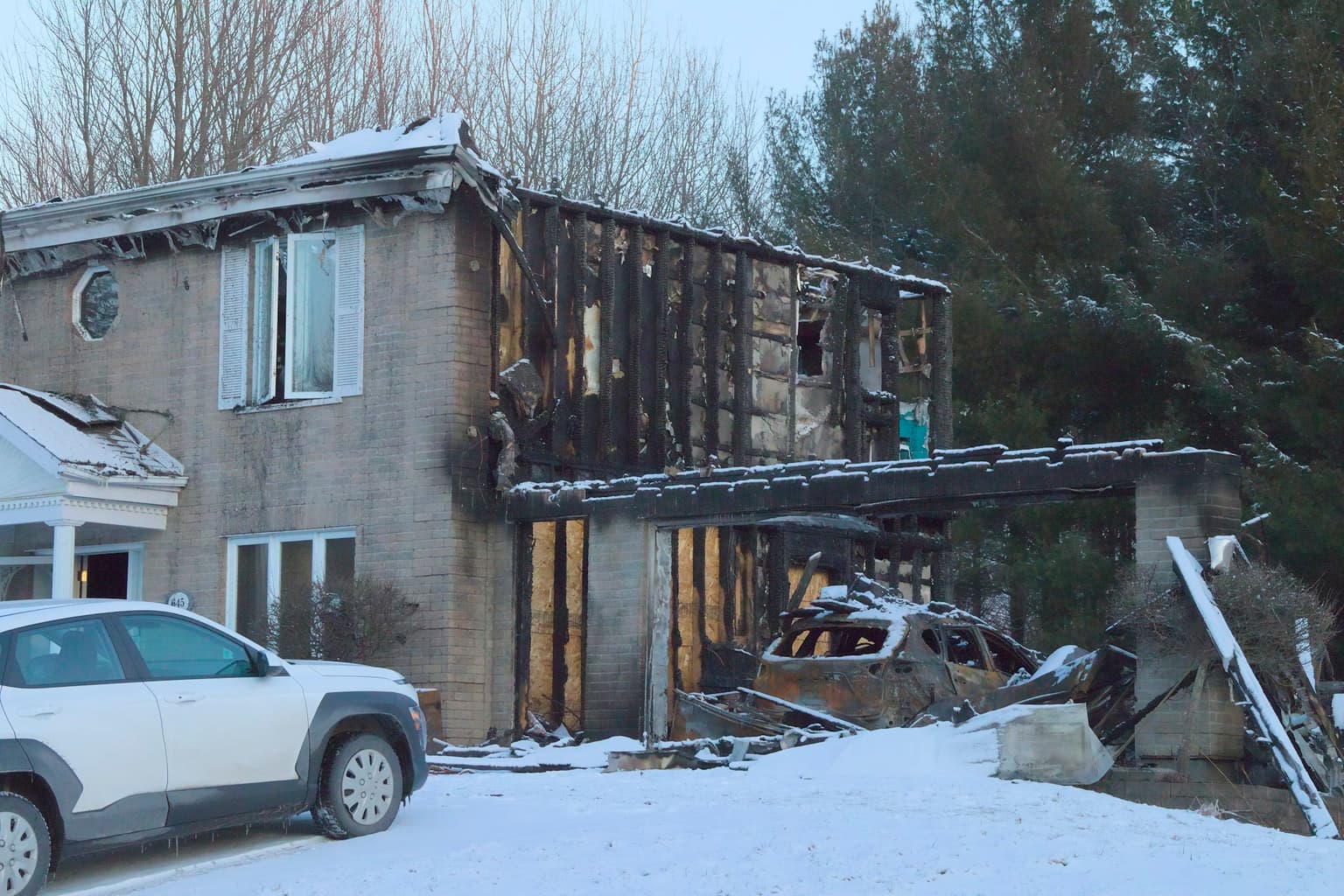
Do not go back inside for a phone, medicine, pet, documents, or photographs until fire officials say entry is safe. Fire can leave unstable ceilings and stairs, damaged wiring, hot spots, contaminated water, broken glass, and openings that are hard to see from outside.
Toronto Fire Services’ recovery booklet says that when entry is considered safe, fire staff may accompany occupants retrieving essentials. Follow the instructions given at the scene. A restoration contractor, insurer, owner, or tenant cannot overrule a fire-service restriction.
02
Get the incident contacts before everyone leaves
Ask how to reach the responding fire division, whether the property has been released, and whether another investigation or authority must attend. Write down any incident or reference information provided and the name of the person giving re-entry instructions.
If you rent, notify the landlord or property manager immediately. In a condo, contact building management and the emergency line because common utilities, corridors, alarms, security, neighbouring units, and insurance responsibilities may be involved. Keep the same timeline for every call.
03
Arrange tonight before planning the rebuild
Confirm where everyone—including pets—will stay, how medications and mobility needs will be handled, and which immediate clothing or identification is required. The City advises contacting family or friends, arranging food, shelter, and clothing, and seeking emergency assistance when needed.
Do not book a long-term repair plan while the household still lacks a safe place for the night. Ask the insurer which emergency accommodation and necessary expenses may be covered, what records are required, and who must approve costs. Save every receipt without assuming reimbursement.
04
Call the insurer and describe facts, not a guessed scope
Report when and where the fire occurred, whether the building is released, which areas appear affected, whether utilities are off, and what emergency security or water control is needed. Ask for the claim number, adjuster contact, emergency spending instructions, deductible information, and documentation requirements.
A first phone call is not the final repair estimate. Fire, smoke, water, contents, demolition, cleaning, mechanical systems, electrical work, permits, and reconstruction may be assessed by different people. Keep emergency authorization narrow enough to protect the property while the full damage record is developed.
05
Secure the property after it is released
Broken doors, windows, roof openings, and fire-service access points can expose the building to rain, trespass, animals, and further damage. Toronto’s booklet places responsibility for securing an owned home with the owner and advises renters to ask the landlord or property manager to secure the property.
Board-up and temporary roof protection should cover the actual openings without damaging sound finishes or blocking required access. Record each opening before and after protection. If the building will be unheated, ask the appropriate contractor about water lines and freeze protection rather than turning systems back on or draining them without direction.
06
Do not restore utilities on your own
The City advises not to turn gas, electricity, or water back on until the utility provider has investigated and confirmed it is safe. Fire heat and water can damage panels, wiring, appliances, piping, meters, and mechanical equipment beyond the visibly burned room.
Record which services were disconnected and by whom. Electrical, gas, HVAC, and plumbing equipment should be evaluated by the qualified party responsible for that system. An appliance that looks clean outside may still contain water, soot, heat damage, or compromised controls.
07
Photograph before cleaning changes the evidence
When authorized and safe, take wide room views and closer photographs of the fire area, smoke patterns, water paths, ceilings, floors, openings, contents, and temporary protection. Photograph labels and serial numbers where accessible. Note the date, room, and direction instead of relying on hundreds of unlabeled images.
Do not move debris, operate equipment, or clean the suspected origin area if fire officials, the insurer, or another investigator has asked that it remain undisturbed. Documentation should support emergency mitigation, not delay an action needed to prevent rain entry, collapse, or another immediate hazard.
08
Smoke damage is a building-wide assessment
Smoke and fine residue can travel through door gaps, stairwells, wall openings, duct paths, and air movement. Different materials hold residue and odour differently. A room that did not burn may still need surface testing, controlled cleaning, contents handling, or an HVAC assessment.
Avoid dry sweeping, ordinary household vacuuming, scented sprays, or painting over residue before the cleaning method is chosen. These steps can spread particles, drive residue into porous finishes, or hide a condition that still needs to be documented. The scope should identify what can be cleaned, what needs removal, and how completion will be checked.
09
Separate essential contents from the full inventory
Priority items include identification, medicines, glasses, hearing aids, keys, phones, insurance papers, and irreplaceable documents—but only retrieve them with permitted access. Photograph contents in place where possible before packing or disposal.
Create a room-by-room inventory with item description, quantity, condition, and disposition. Keep items marked for cleaning separate from obvious waste and from unaffected belongings. Food, medicine, cosmetics, electronics, textiles, and documents need different decisions; a single “everything in boxes” move makes later tracking harder.
10
Build one record from emergency work through reconstruction
The first written scope should distinguish life safety, board-up, water removal, stabilization, contents handling, cleaning, odour work, selective demolition, drying, trade evaluations, permits, and reconstruction. Ask who approves each phase and which work is being performed before the adjuster’s complete review.
Keep the fire-service information, claim communications, photographs, inventories, readings, contractor scopes, change approvals, invoices, inspection records, and completion documents together. A clean handoff from emergency response to rebuild reduces repeated decisions and makes it easier to see whether a repair is restoring the damaged property or adding unrelated renovation work.
From our work
How these jobs usually go
Each summary combines details from many similar jobs we have done. They describe our real work, not one specific property, and leave out homeowner details for privacy.
Kitchen fire: secured, cleaned and rebuilt
Kitchen fires usually start at the stove, but soot and smoke spread well past the burned area, and a broken window or door often leaves the house open.
- Boarded up the openings the same night
- Removed soot and smoke residue before it set into surfaces
- Treated the smoke odour at its source
- Rebuilt the kitchen
The home was secured on day one and the kitchen rebuilt under the same file.
Fire damage restorationBelongings packed out after a fire
Belongings that look ruined can often be cleaned, but they cannot stay in a smoky, wet house while repairs happen.
- Packed out the salvageable belongings
- Cleaned and stored them during the repairs
- Listed the items that could not be saved for the insurance claim
The homeowner keeps what can be saved, and the insurer gets a clear list of what could not.
Contents restorationDrying out after the fire department leaves
Putting out a fire soaks walls, floors and the rooms below. That water needs the same drying as any other flood.
- Extracted standing water and removed soaked materials that could not be dried
- Set drying equipment in the affected rooms
- Tracked the drying with moisture meters until materials read dry
The structure was dry and verified before smoke cleanup and repairs closed anything up.
Structural dryingLarger fire: demolition through finished rooms
Bigger fires leave structural damage that goes past cleaning.
- Demolished fire-damaged materials and removed the debris
- Re-framed where the structure needed it
- Rebuilt to finished rooms: insulation, drywall, flooring and paint
One crew handled the job from demolition to finished rooms.
Reconstruction after a lossSources and limits
Official references checked for this guide
- Toronto Fire Services — After a Fire: Resources to Assist Recovery
- City of Toronto — After an emergency
- City of Toronto — Fire safety resources and recovery booklet
This guide is general property-restoration information, not legal, insurance, medical, electrical, or engineering advice. Conditions and program rules can change; confirm decisions with the relevant authority and qualified professional.