What's included
- 24/7 emergency mitigation
- Pre-work photo documentation
- Moisture maps & drying logs
- Itemized restoration scope
- Adjuster communication support
- Contents inventory coordination
- Emergency through reconstruction
- One accountable project contact
Mitigate first, but preserve the evidence
An active loss cannot wait for every coverage question to be settled. Water keeps migrating, soot keeps corroding metal, and an open roof admits the next rain. Our first visit is built around both duties: stop additional damage and record what existed before cleanup changed the scene. We photograph the source and affected rooms, map the damage, note emergency conditions, and retain measurements throughout the work. That creates a defensible timeline while allowing safe mitigation to begin. Coverage decisions belong to your insurer; our role is to give the file accurate facts and a clear account of the work that was necessary.
A claim file your adjuster can actually read
Good documentation is organized, not simply abundant. We keep labelled photographs, moisture readings, equipment records, disposal notes, and an itemized scope tied to the affected areas. When hidden damage appears after a ceiling or wall is opened, we document the condition before expanding the scope. This helps you and the adjuster distinguish emergency mitigation from permanent repairs and understand why each line item exists. It also reduces the most common delay: a contractor invoice that says “water cleanup” without showing the rooms, materials, duration, or reason behind the charge.
You choose the contractor
Your insurer may suggest a preferred vendor, but the property owner can ask questions and choose a qualified restoration contractor. The useful comparison is not who promises that everything is covered — no contractor controls policy coverage. Compare who can respond safely, explain the drying or remediation plan, document the loss, provide a written scope, and stand behind the reconstruction. We communicate with adjusters and provide requested project records, while decisions about coverage, deductibles, limits, and settlement remain between you and your insurer.
Emergency work and reconstruction stay connected
Many claim problems begin at the handoff. One crew removes wet drywall, another estimates the rebuild weeks later, and nobody owns the missing insulation, trim profile, cabinet panel, or paint transition between them. We carry the file from extraction, containment, board-up, or smoke cleaning into framing, insulation, drywall, flooring, millwork, and paint. The rebuild team can see the original photos and mitigation notes, so the repair scope reflects what was actually removed and why. You have one project contact and a continuous record from the first emergency visit to the final walkthrough.
What to do before we arrive
Protect people first: do not enter standing water near electrical outlets, appliances, or the panel, and do not re-enter a fire-damaged structure until the fire service says it is safe. If conditions allow, stop the water at the main valve, move undamaged valuables away from the affected area, and take wide and close photographs without disturbing unsafe materials. Contact your insurer promptly, save receipts for reasonable emergency expenses, and avoid throwing damaged contents away until they have been photographed and listed unless they present an immediate health risk. Then call us so mitigation and documentation can begin together.
Clear approvals from first scope to final walkthrough
We separate the project into decisions you can follow: emergency authorization, mitigation findings, repair estimate, insurer review, owner selections, change documentation, and completion. Before permanent repairs begin, the scope identifies the rooms and finishes being restored and calls out any owner-paid upgrade separately. If conditions behind a wall change the work, you receive a written explanation with photographs rather than a surprise at the end. At completion, we walk through the repaired areas, resolve deficiencies, and leave you with the project record. That structure gives the homeowner, contractor, and adjuster the same version of the job at every stage.
From our work
How these jobs usually go
Each summary combines details from many similar jobs we have done. They describe our real work, not one specific property, and leave out homeowner details for privacy.
Sewer backup in finished North York basements after a major Toronto flood
During a major Toronto flood, sewers backed up into finished basements across North York. Sewer water is contaminated, so anything porous it soaks is treated as unsalvageable.
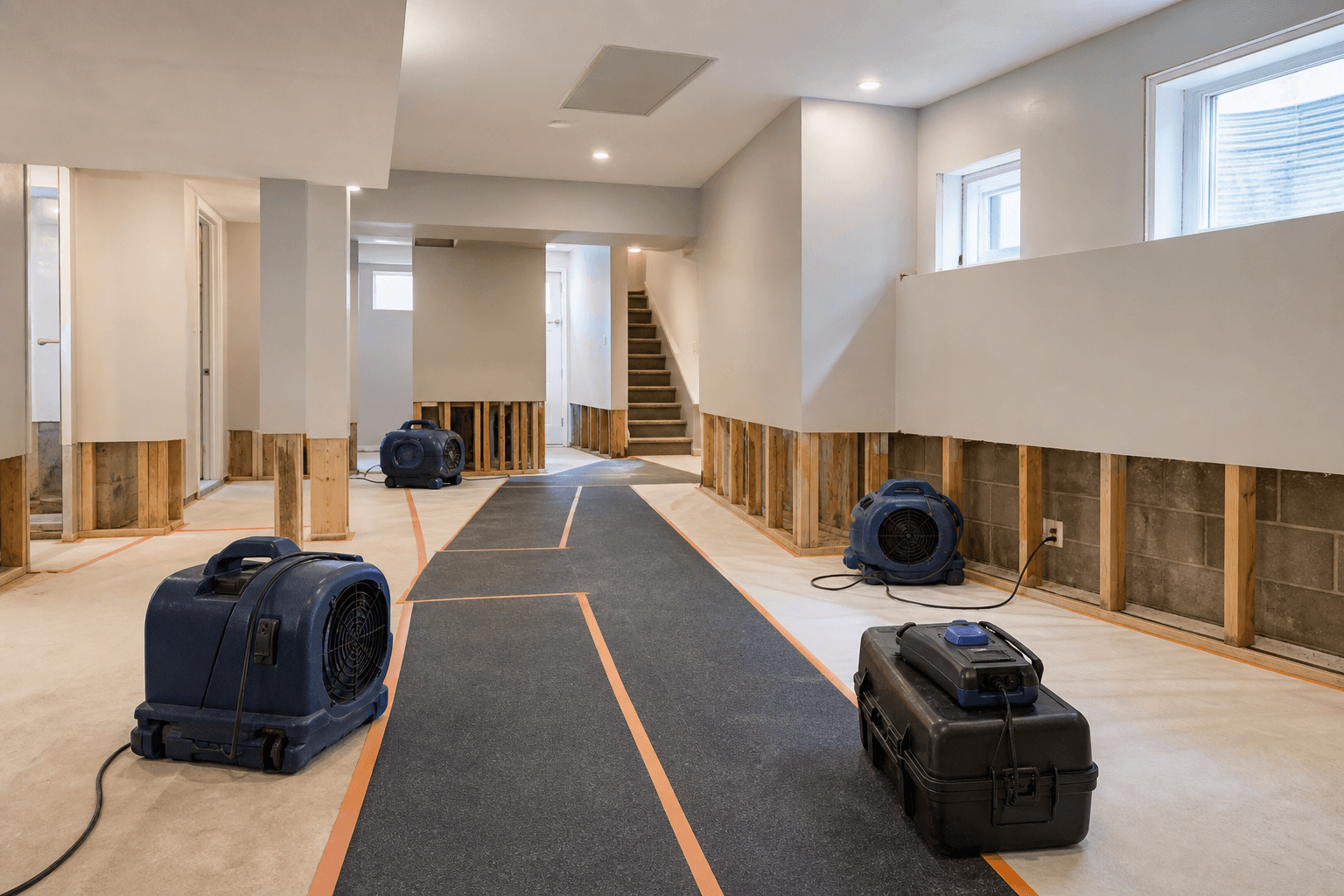
- Extracted the standing water and removed the soaked flooring and drywall
- Cleaned and disinfected the exposed framing and concrete
- Checked framing and slab with moisture meters until they read dry
- Installed new drywall and flooring
Basements rebuilt with new walls and floors, documented for the insurance claim.
Sewage backup cleanupHeavily contaminated basement rebuilt as a new finished space
Where sewage sat longer or reached the furnace room, the damage went past the floor: walls, mechanical equipment and finishes were all affected.
- Removed contaminated flooring, walls and finishes
- Repaired or replaced affected HVAC components and ductwork
- Disinfected and dried the structure, confirmed with moisture readings
- Rebuilt the basement as a brand-new finished space
One crew handled the job from extraction through HVAC, walls, flooring and final finish.
Flooded basement cleanupBasement kitchen replaced after contaminated water
Cabinets, counters and lower finishes soak up contaminated water, and in some homes the flood reached a basement kitchen.
- Assessed how far the contamination reached before deciding what to keep
- Removed the affected cabinets, flooring and lower walls
- Dried and verified the structure with moisture meters
- Installed a new kitchen along with the walls and flooring
How much we replace depends on how contaminated the space is, not on a fixed package.
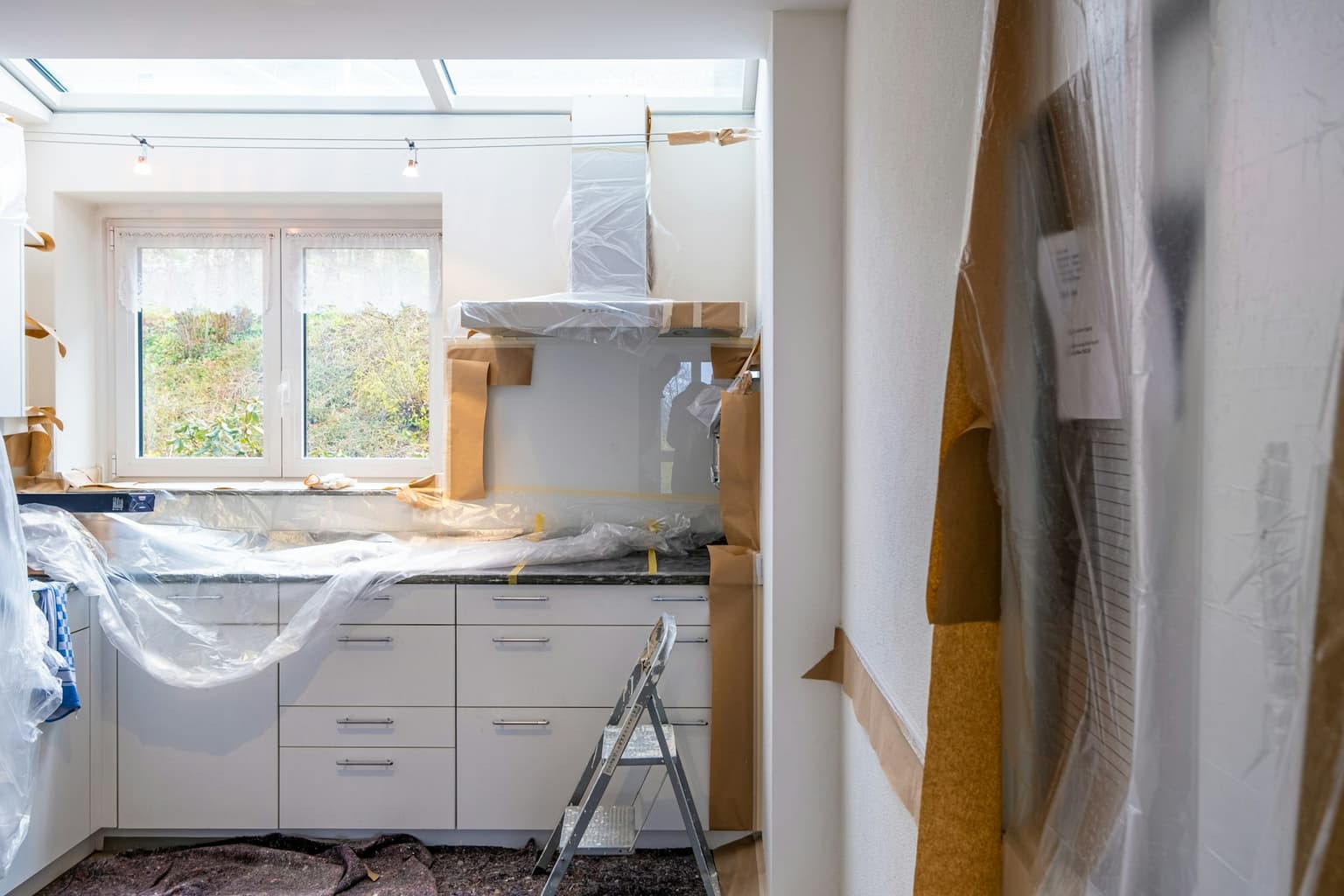
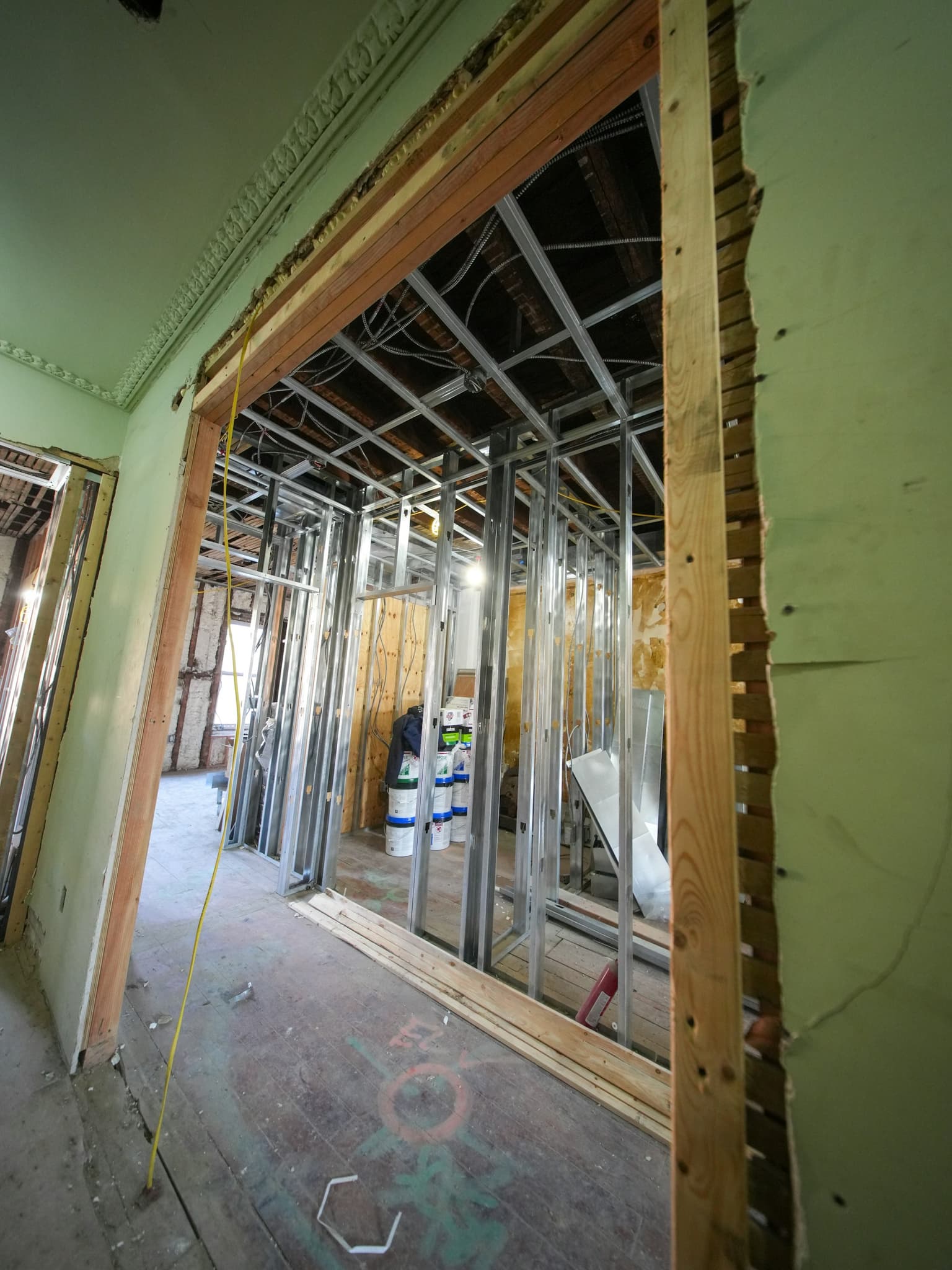
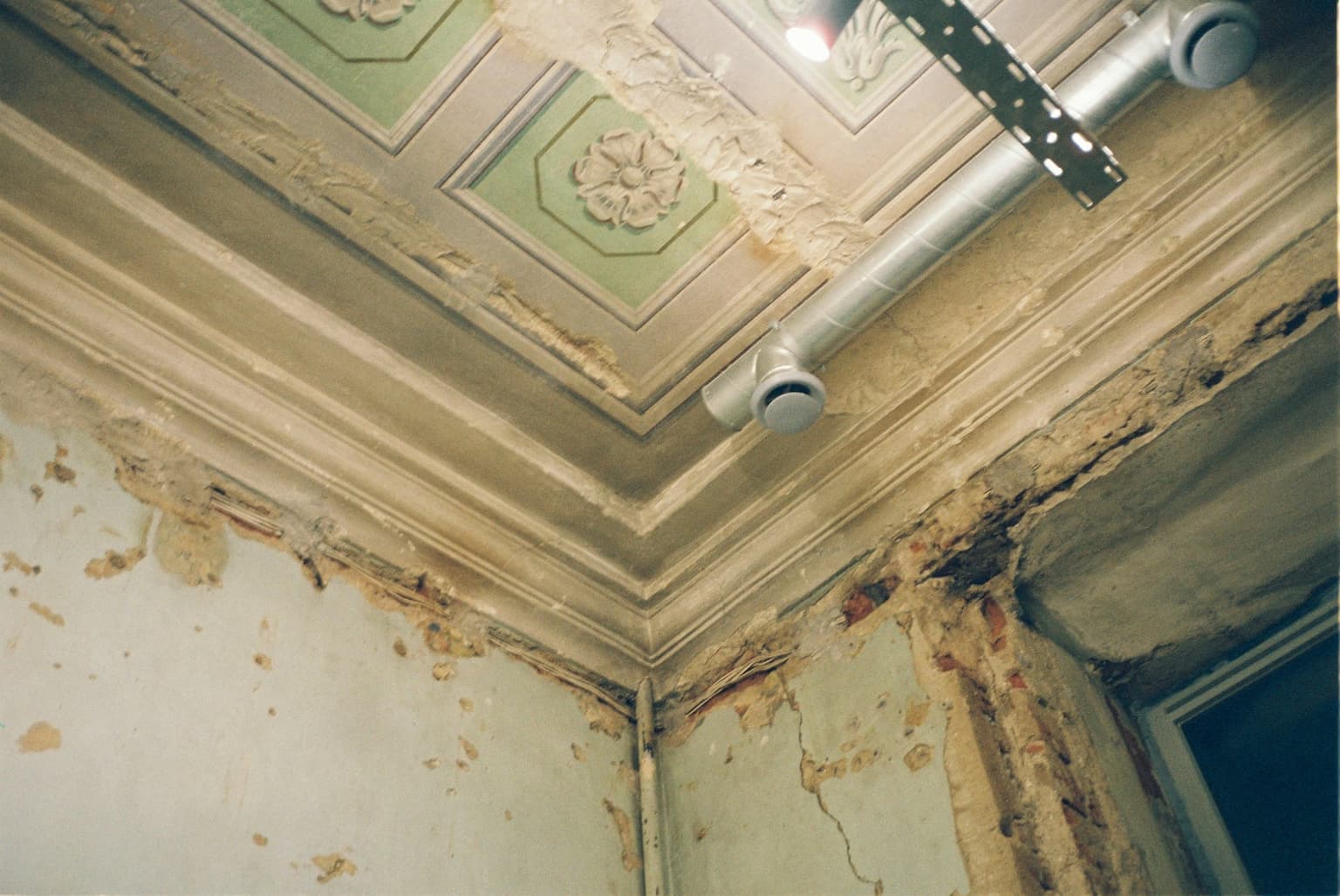
Reconstruction after a lossWhat the damage and a finished repair can look like
Example photos of different properties, not a documented before-and-after of one job.

Drag to compare
Official guidance used on this page
- Insurance Bureau of Canada: flooding and insurance
- City of Toronto: basement flooding and property damage
Coverage and safety requirements vary by property and policy. Confirm decisions with the relevant authority, licensed trade, and your insurance representative.