What's included
- Emergency dispatch, 24/7
- Standing-water extraction
- Contamination assessment
- Moisture mapping and daily readings
- Commercial dehumidification
- Contents protection and packout
- Insurance-ready documentation
- Drywall, flooring, and finish repairs
Safety comes before pumping
Do not enter standing water if it may contact outlets, appliances, the electrical panel, or a gas appliance. If the water has an odour, discolouration, or may have come through a floor drain, treat it as contaminated. We begin by checking access, likely water category, and hazards so extraction does not expose occupants or spread contamination.
The source changes the cleanup plan
The City notes that recent basement flooding may involve surface water, elevated groundwater, sewer surcharge, or a combination. Clean rainwater entering at a window well is handled differently from a drain backup. We trace the likely path, photograph the conditions, and separate salvageable materials from porous finishes that cannot be safely restored.
Drying is documented, not estimated
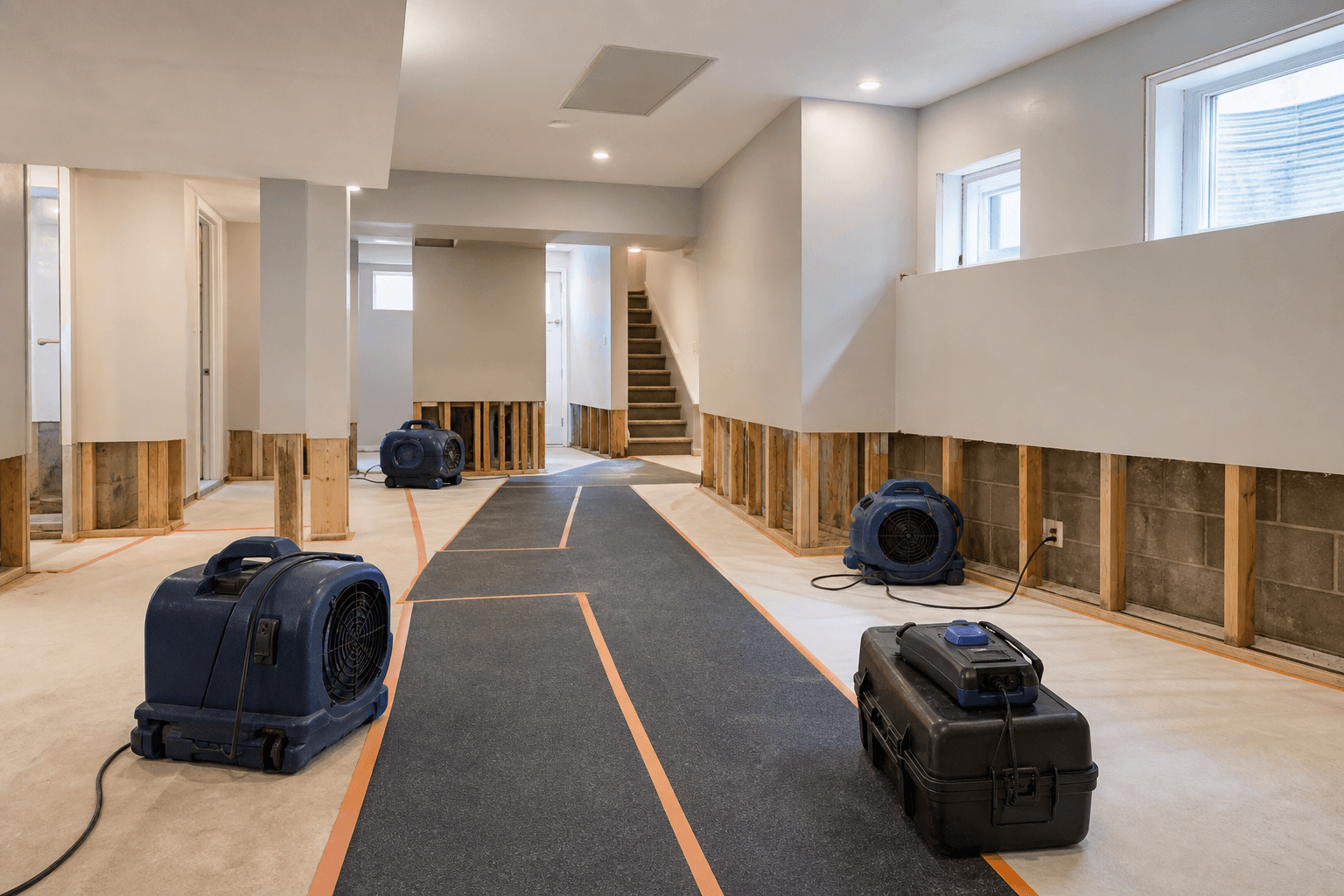
After extraction, we map wet walls, floors, cavities, and contents with moisture instruments. Air movers and commercial dehumidifiers are adjusted as readings change, and the file records equipment placement and drying progress. That evidence helps the adjuster understand what was wet, why work was required, and when the structure reached a dry standard.
Cleanup continues through reconstruction
Flood recovery does not end when the pumps leave. We remove affected insulation, drywall, flooring, and trim where required, then coordinate the repair under the same scope. One team carries the photographs and drying record into the rebuild so the reason for every removal stays connected to the finished work.
From our work
How these jobs usually go
Each summary combines details from many similar jobs we have done. They describe our real work, not one specific property, and leave out homeowner details for privacy. These examples come from our flood and sewer-backup work in North York; we follow the same process for homes in St. Catharines.
Sewer backup in finished North York basements after a major Toronto flood
During a major Toronto flood, sewers backed up into finished basements across North York. Sewer water is contaminated, so anything porous it soaks is treated as unsalvageable.
- Extracted the standing water and removed the soaked flooring and drywall
- Cleaned and disinfected the exposed framing and concrete
- Checked framing and slab with moisture meters until they read dry
- Installed new drywall and flooring
Basements rebuilt with new walls and floors, documented for the insurance claim.
Sewage backup cleanupHeavily contaminated basement rebuilt as a new finished space
Where sewage sat longer or reached the furnace room, the damage went past the floor: walls, mechanical equipment and finishes were all affected.
- Removed contaminated flooring, walls and finishes
- Repaired or replaced affected HVAC components and ductwork
- Disinfected and dried the structure, confirmed with moisture readings
- Rebuilt the basement as a brand-new finished space
One crew handled the job from extraction through HVAC, walls, flooring and final finish.
Basement kitchen replaced after contaminated water
Cabinets, counters and lower finishes soak up contaminated water, and in some homes the flood reached a basement kitchen.
- Assessed how far the contamination reached before deciding what to keep
- Removed the affected cabinets, flooring and lower walls
- Dried and verified the structure with moisture meters
- Installed a new kitchen along with the walls and flooring
How much we replace depends on how contaminated the space is, not on a fixed package.
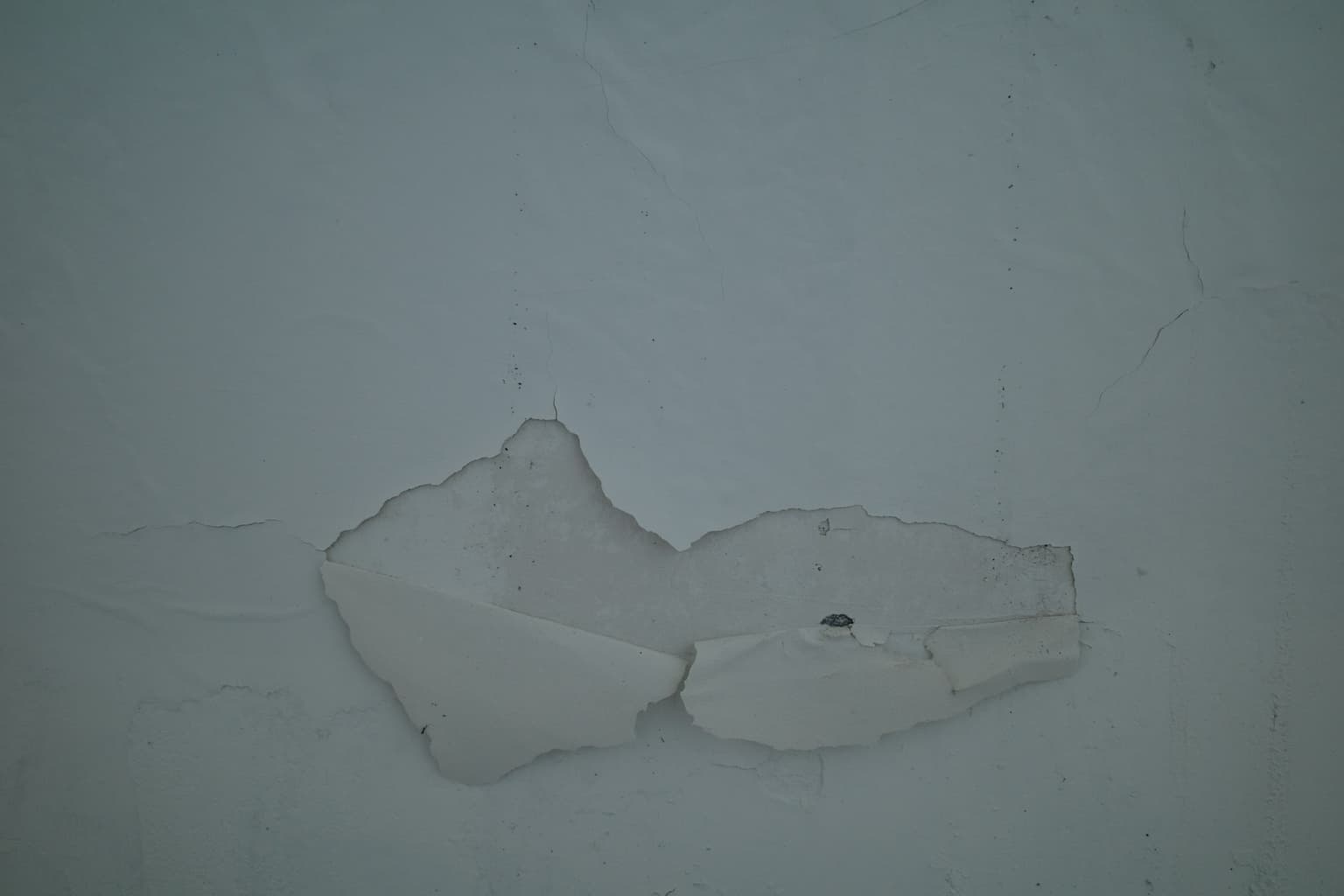
Reconstruction after a lossWhat the damage and a finished repair can look like
Example photos of different properties, not a documented before-and-after of one job.
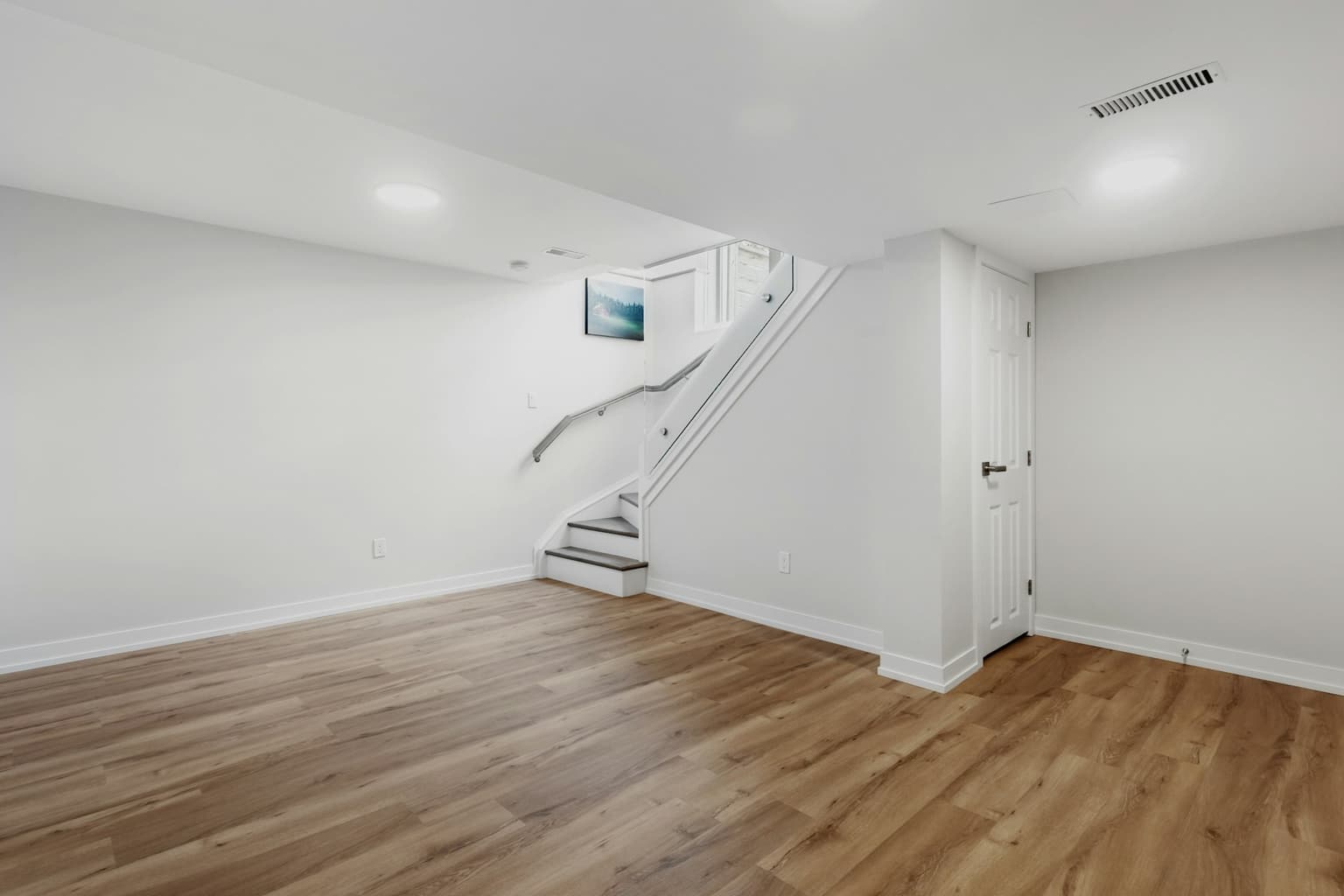
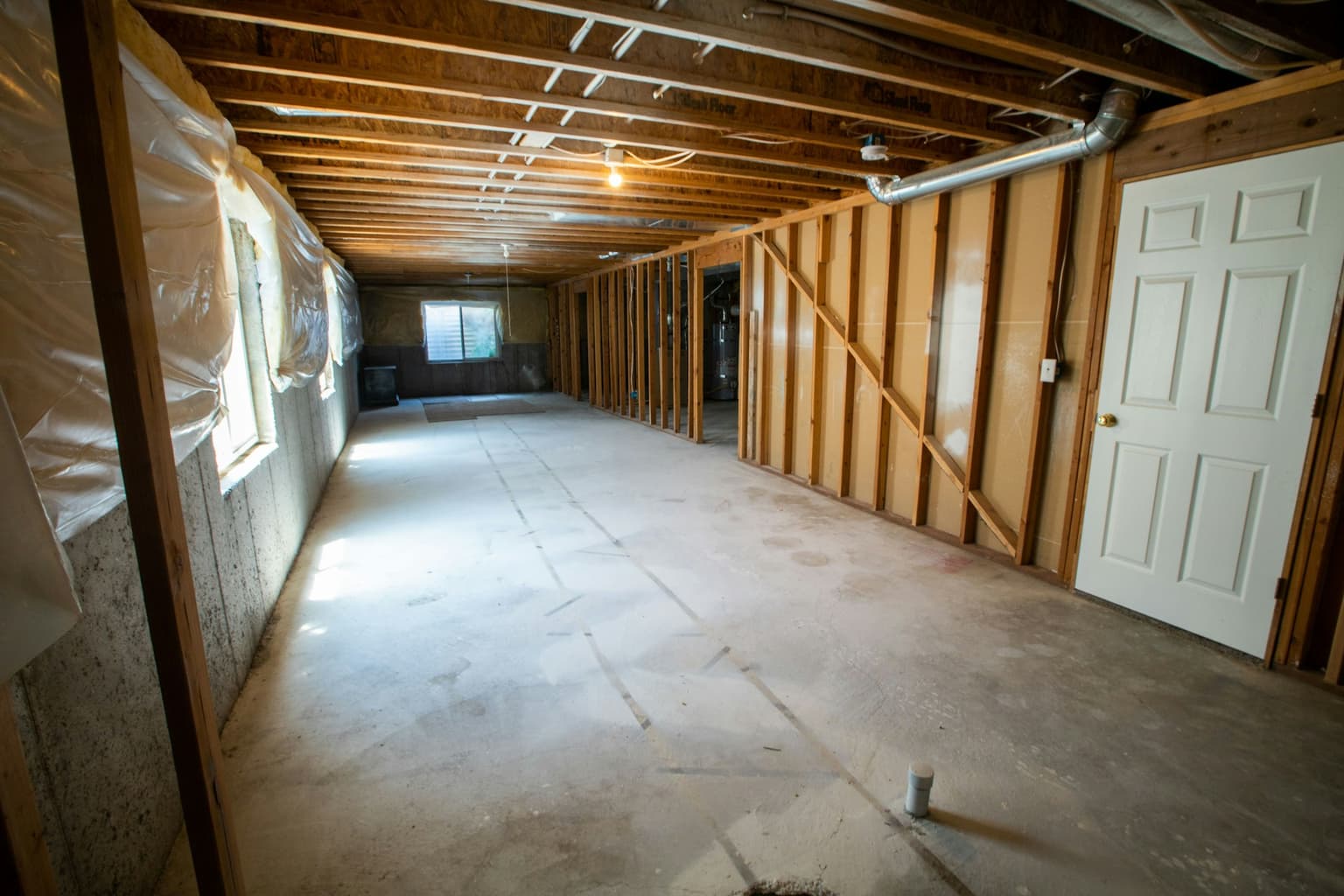
Drag to compare
Official guidance used on this page
- City of St. Catharines: July 2026 flooding response and recovery
- City of St. Catharines: basement flooding guidance
- Health Canada: flood cleanup and indoor air quality
Coverage and safety requirements vary by property and policy. Confirm decisions with the relevant authority, licensed trade, and your insurance representative.